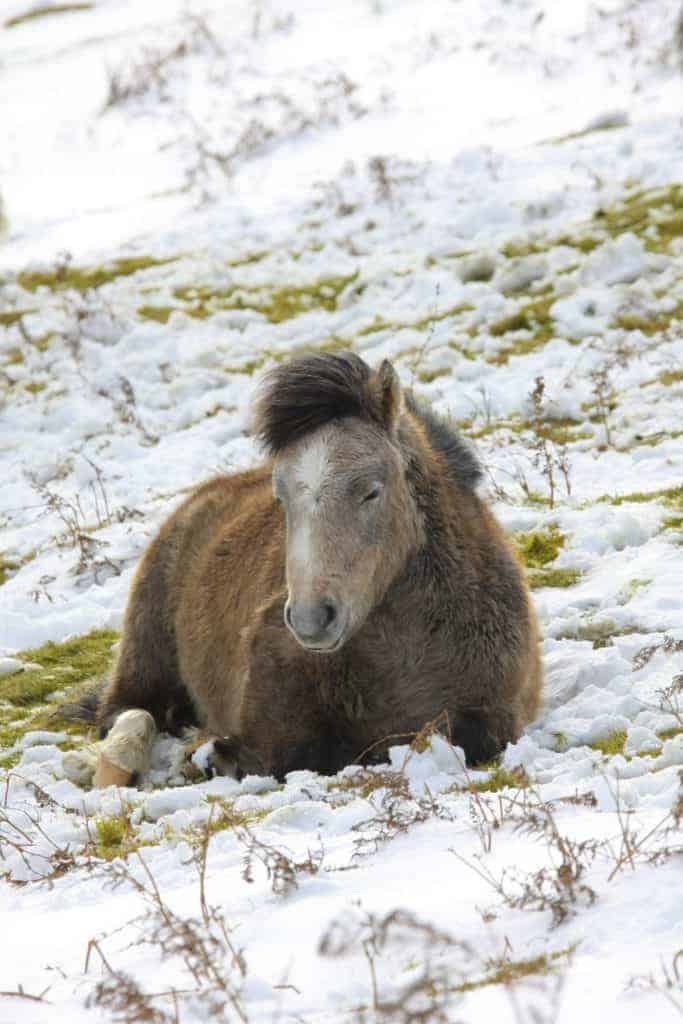
Domestic Equids Can Still ‘Chill’ Like Their Ancestors
New research indicates horses can slow body processes to conserve energy when environmental factors dictate.

New research indicates horses can slow body processes to conserve energy when environmental factors dictate.
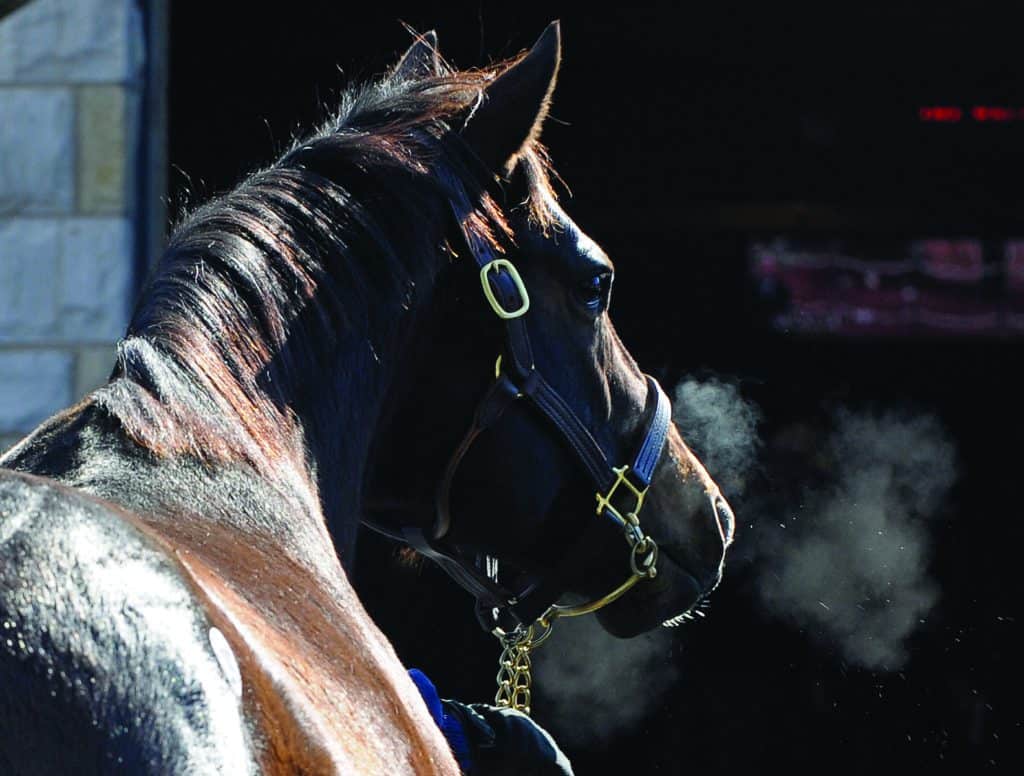
Is your horse a noisy and uncomfortable breather? Does he struggle to breathe when you’re riding? Is his performance suffering because of it?
The recording of TheHorse.com’s Ask the Vet LIVE event on the horse’s upper respiratory tract from April 19
Veterinarians diagnosed 5-year-old mare with lateral middle distal sesamoidean ligament desmitis on April 23.
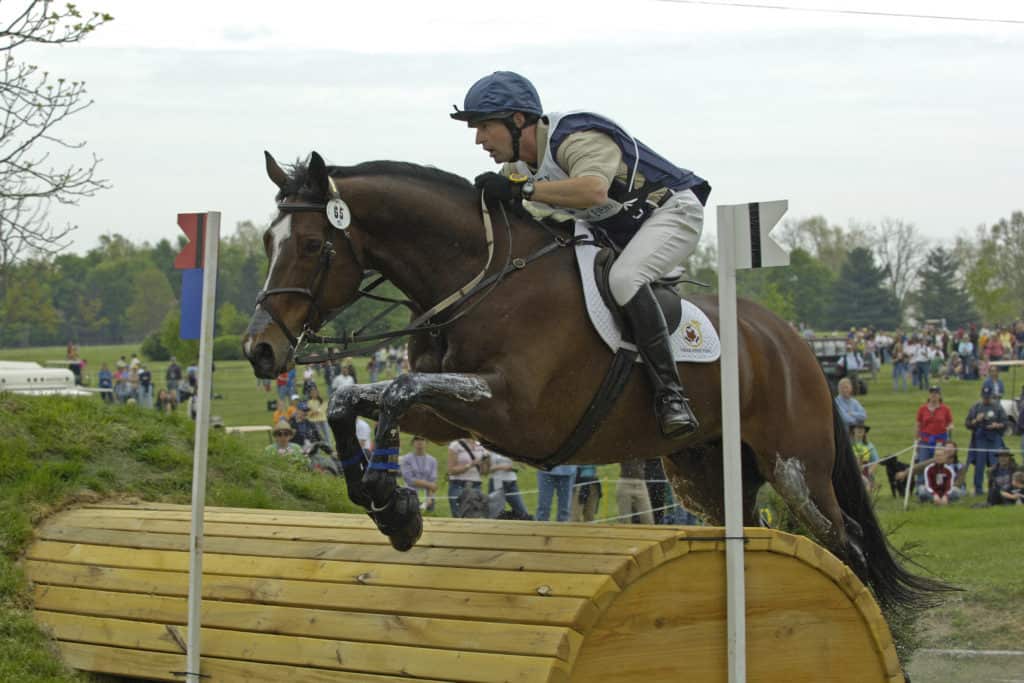
Learn about the latest jump safety features being used to keep horses and riders safe during the cross-country phase of eventing with Dr. Suzanne Weaver Smith of the University of Kentucky College of Engineering.
The hind limb lameness seminar will be held in conjunction with the AAEP’s Business Education Workshop.
Since the program’s founding in August 2011, Operation Gelding clinics have castrated 406 horses to date.
The number of horses lost or injured as a result of the storms is still uncertain.
Content will include housing, management practices, and procedures that can affect the well being of horses.
In 2011, 15 horses in California were confirmed positive for WNV; four of those 15 were euthanized.
Sixteen colts or stallions were gelded at the March 10 low-cost gelding clinic.
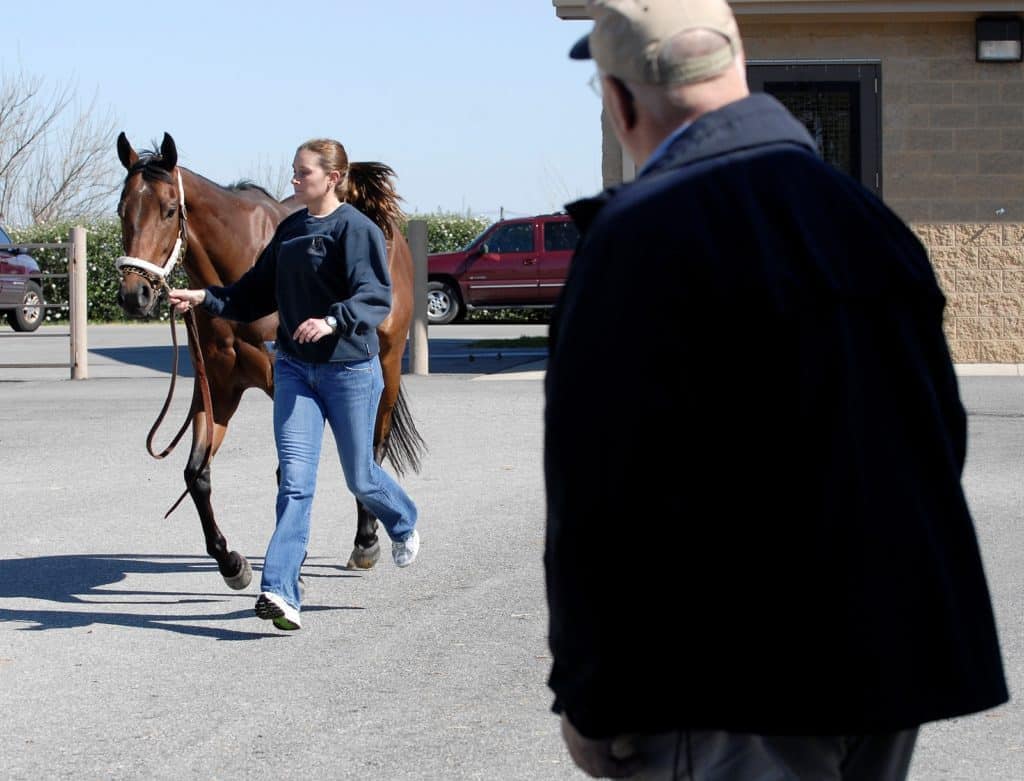
One researcher relayed that it could be possible to identify horses at risk for injury before accidents occur.
The Texas Veterinary Diagnostic Laboratory tallied more than 150 positive pigeon fever cultures in 2011.

West Nile Virus (WNV) causes a potentially fatal encephalomyelitis (inflammation of the brain and spinal cord) in a variety of species such as birds, horses, and humans.
The Federation Equestre Internationale (FEI), as the world governing body of equestrian sport, provides the framework for all FEI events, and central to this framework is horse welfare.

At home, your horse lives in an environment that you or barn staff strive to keep “biosecure,” or well-defended against infectious disease. But when you and your horse head off property, you’re taking him out of that controlled environment and exposing him to unfamiliar horses and possibly illness. Here, we discuss ways to protect your horse from infectious disease when traveling