TheHorse.com Nominated for Three ESMA Awards
Nominations landed TheHorse.com in the Top 10 in Best Use of Facebook, Best Publication, and Most Informative.

Nominations landed TheHorse.com in the Top 10 in Best Use of Facebook, Best Publication, and Most Informative.

Panelists said there is no scientific evidence supporting a ban on the use of furosemide on race day.

Past studies showed that vaccines were only sometimes effective in preventing development of viremia.
One veterinarian combined a barbecue and fecal egg testing to educate clients on a new deworming strategy.
It’s never too late to implement biosecurity protocol to help protect horses from potentially fatal diseases.
The conference will take place March 18-21 and will cover a wide variety of transport-related topics.
The deadline for spring vaccines through the Unwanted Horse Veterinary Relief Campaign (UHVRC) is Feb. 1.
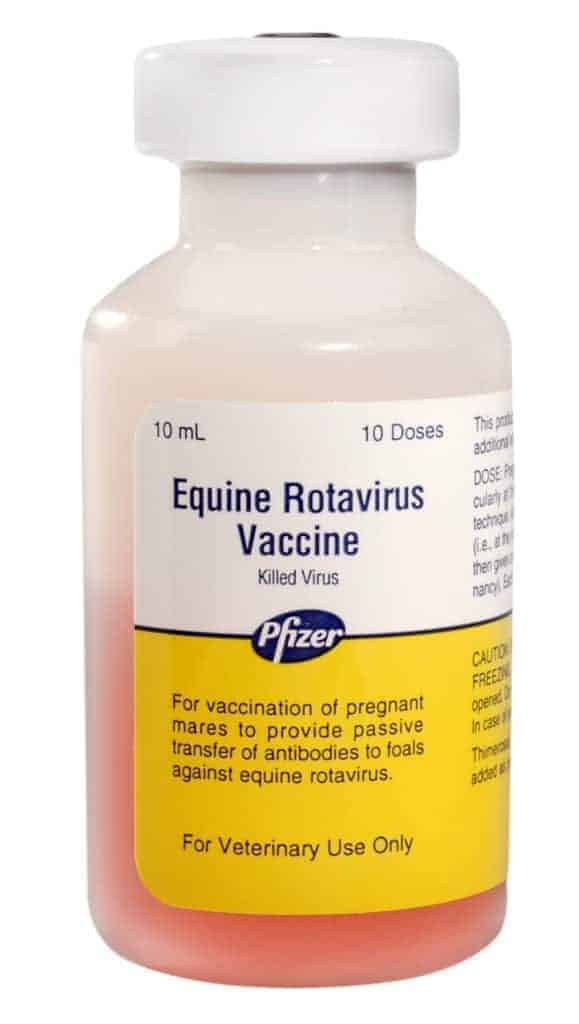
Pfizer’s Equine Rotavirus Vaccine has an updated appearance and packaging to reflect the current manufacturer.
Furosemide, known as Salix, will be discussed Jan. 14 during the National HBPA Medication Committee forum.

A thorough physical examination and tailored therapeutic approach can help relieve equine neck and back pain.

Certain hoof characteristics can be associated with chronic lameness, while others point to a sound horse.
The value of Einstein’s stud fee will be donated to the Race for Education’s Starting Gate Youth Program.
Topics discussed included diagnostic methods, types of back pain, kissing spines, and treatment methods.
The donation honors the colt Hansen’s win in the 2011 Grey Goose Breeders’ Cup Juvenile Stakes.
The relationship between the TRF and its key benefactor, the Paul Mellon Estate, withered over the past year.
Rapid Redux has now won a record-setting 22 races in a row, the latest coming Jan. 4 at Laurel Park.