Why Are Horses Frisky When It’s Cold?
Why do horses act “fresh” when it’s cold outside? An equine behaviorist investigates.

Why do horses act “fresh” when it’s cold outside? An equine behaviorist investigates.

Horses on all-day pasture have more opportunities than stalled horses to meet their behavioral needs. Here’s what you need to consider.

Take a few simple precautions and management approaches to help your horse weather winter safely.

Learn the difference between ration balancer feeds and supplements and how they benefit horses when pastures are scarce.

Don’t wait for the first snowflakes to prepare your horse property for the cold, dark, and wet months ahead.
Here’s what might be on your senior horse’s wish list this year.

Find out what might happen if your horse eats that wreath hanging on his stall door.

These horsekeeping tips can help keep your farm running smoothly and horses healthy when winter weather arrives.

When the temperatures drop, make sure your horses always have access to water and are drinking enough.

Know how your horse’s body reacts to cold weather and train accordingly to make the most of the chilly months ahead.

An equine nutritionist weighs in on which type of hay best helps horses stay warm during cold nights.

From nutrition considerations to preventing mud, it’s time to get ready for the long stretch of winter conditions.

Use this checklist of fall horse property chores to better prepare yourself and your horses for the upcoming winter months.

Cold weather often brings unwanted weight loss in hard-keeping horses. Two experts offer advice on preventing this as we prepare for temperatures to drop.
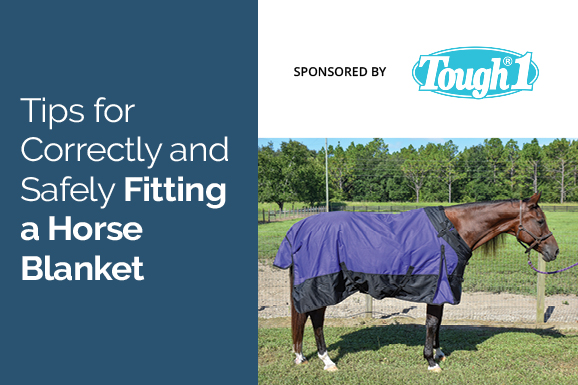
Learn how to calculate your horse’s blanket size, prevent rub marks, and practice safe blanketing in this visual guide. Sponsored by Tough1.

Learn more about this respiratory disease and how it affects adult horses housed on pasture.