Single-Vehicle Crash Kills 19 Horses
The horses were killed when the trailer in which they were riding veered off the road and overturned in Mississippi.

The horses were killed when the trailer in which they were riding veered off the road and overturned in Mississippi.
The survey will cover organizations’ missions, existing partnerships, best practices, successes and failures, and more.

Practice can and should be ethical, but it’s not always easy. Pressure applied by trainers or owners can be substantial.
A Washington man was asked to remove a pony he allegedly used as a service animal from a residential neighborhood.

The guidelines provide protocols for appropriate preparation for, response to, and management of on-track injuries.

Get information-packed nutrition content throughout March.

Many respondents said they’d have to consider the possible outcomes before sending a horse to colic surgery.

The BLM permanently removed 306 horses and returned 228 back to the range, including 104 PZP-treated mares.
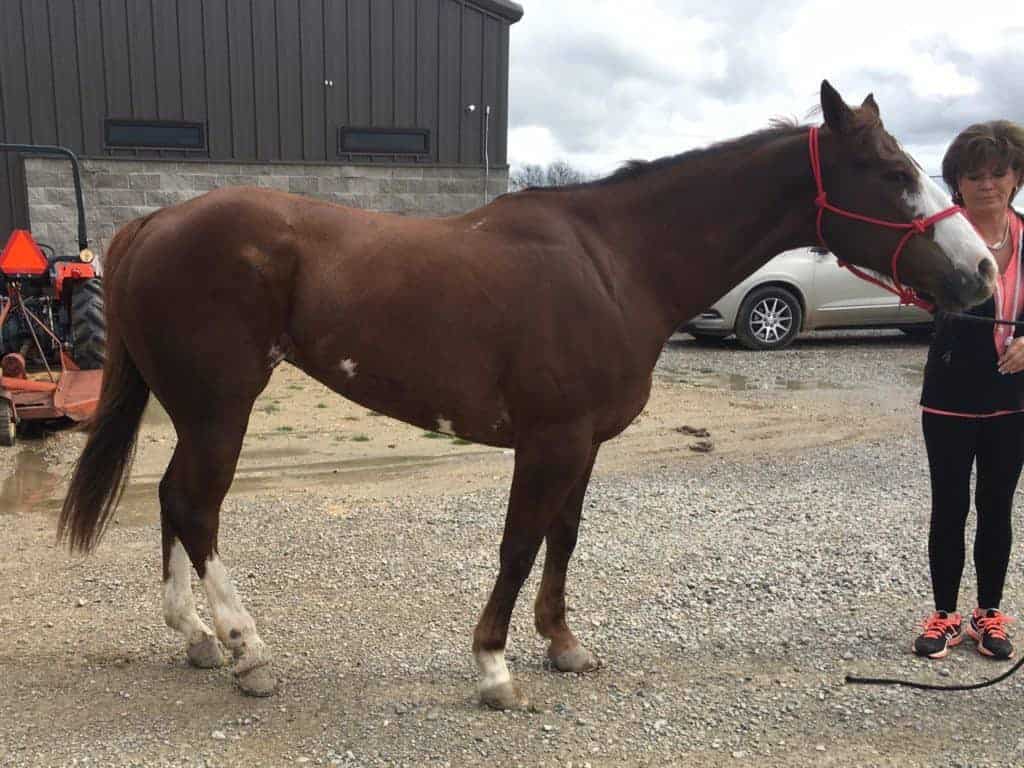
The Paint mare had a fractured right hind limb and was euthanized due to the severity of the injury.
A judge ordered that 24 horses be returned to their owner while another 39 remain impounded.
Equine field veterinarians from Penn Vet’s New Bolton Center will share details of complex cases from the field.
The conference will cover legal issues affecting breeding, buying, selling, and other horse industry businesses.

Rep. Ken Ivory’s resolution asks the federal government to control herd growth or relinquish jurisdiction of the horses.

To mitigate the consequences of a disease outbreak, it is important to understand where the disease is spreading.
Laurie Wheeler could be charged with practicing veterinary medicine without a license.

Researchers hope studying breast biomechanics could lead to the development of a better equestrian sports bra.