Hoof Anatomy, Part 2: Outer Structures
The outer hoof’s health affects the bones and soft tissues within, and vice versa.

The outer hoof’s health affects the bones and soft tissues within, and vice versa.

Researchers focused on the effect of collected and lengthened paces in young and mature dressage horses.
With an early diagnosis and prompt treatment, horses can improve significantly and could return to normal activity.
Veterinarians and farriers recently collaborated on a case of bilateral keratomas in a 6-year-old Holsteiner mare.

Researchers say inertial measurement units could aid in more accurate veterinary diagnoses and performance evaluations.

Research has provided farriers with a better understanding of how weight-bearing and loading affect hoof wall growth.

Researchers confirmed that footing properties could impact dressage horses’ risk for suspensory ligament injury.

Horses with asymmetric feet have altered loading patterns, which could lead to lameness and possibly early retirement.

Learn about what’s cutting-edge in the world of equine hoof care from our 2017 International Hoof Care Summit coverage.

Find out why understanding hoof biomechanics is important when making trimming and shoeing decisions for your horse.
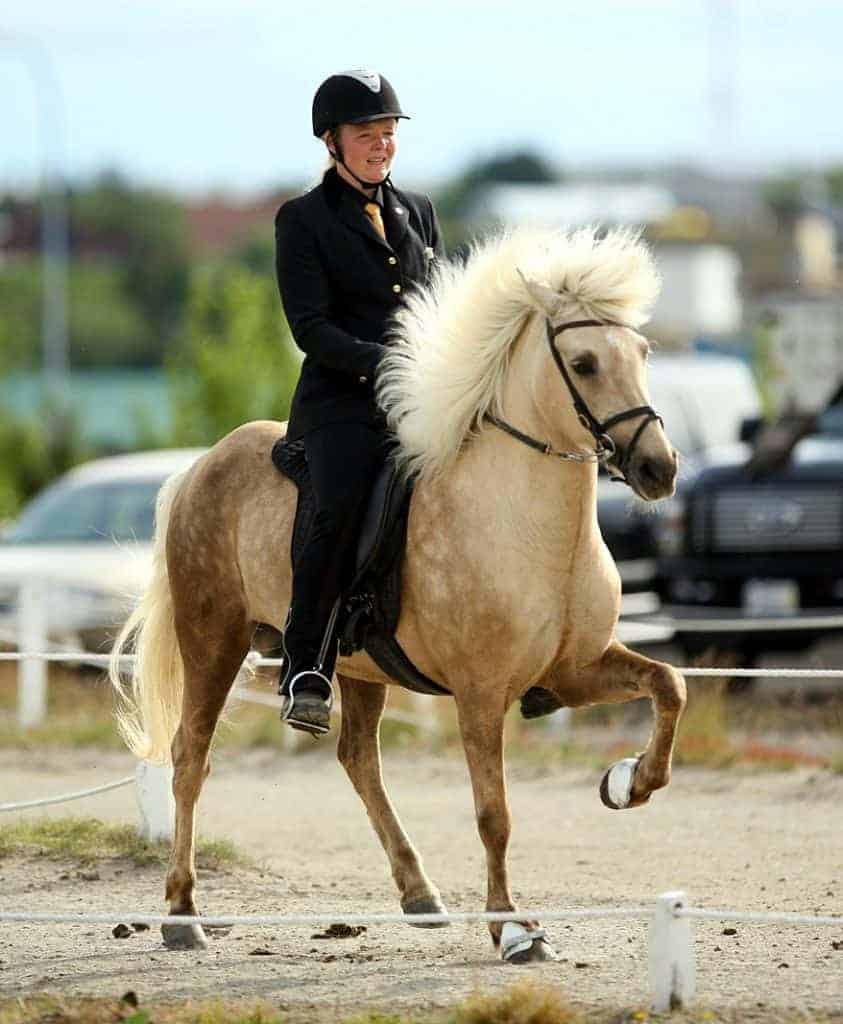
The gene appears to affect horses’ muscular ability to carry out specific gaits, such as the tolt in Icelandics.

Thermography is a noninvasive, safe, and cost-effective diagnostic imaging tool used in equine health care.

Vets can glean crucial information by evaluating horses with performance issues in hand, on the longe, and under saddle.

Horses can appear lame in the front limb when the real lameness is the hind limb on the same side, researchers found.

Veterinarians use imaging technologies to evaluate, diagnose, and ultimately treat lameness in the lower leg and foot.
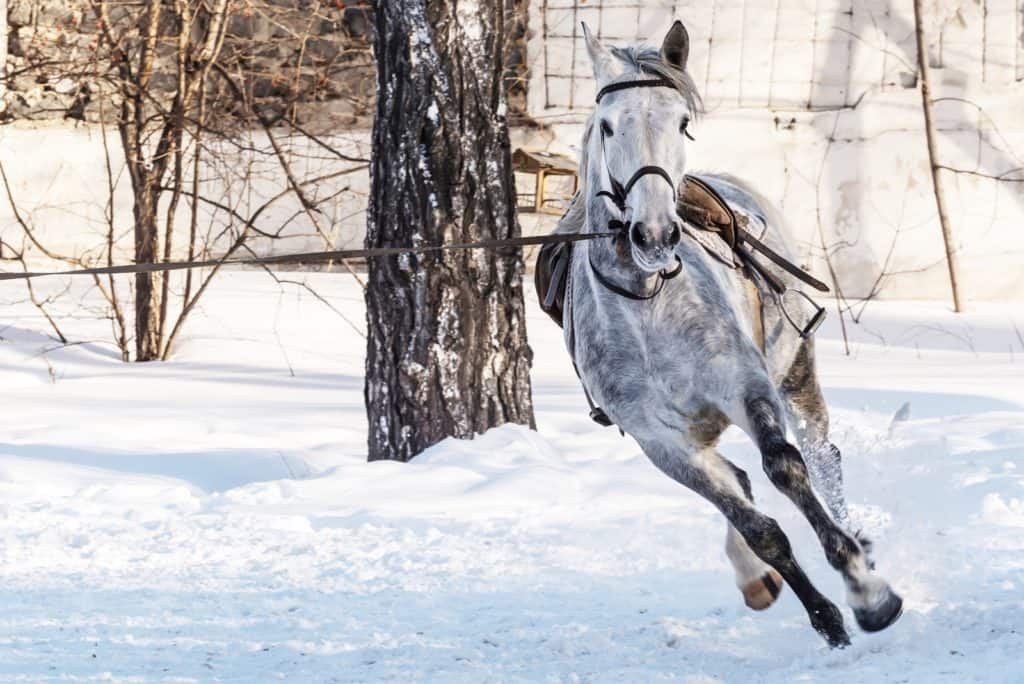
Young horses leaned more than older ones with better musculoskeletal strength and coordination, scientists say.