Equine Lameness Basics
Whether you’ve had horses all your life or are new to the industry, you’re bound to deal with lameness at some point.

Whether you’ve had horses all your life or are new to the industry, you’re bound to deal with lameness at some point.
Tweets and take-homes from sessions on mature performance horse health, field surgery, heaves, lameness, and more.

Improved diagnostics and more promising treatments are putting many foot-sore horses back to work.
Sue Dyson, MA, Vet MB, PhD, DEO, FRCVS, and Grant Moon, CJF, AWCF, will present on hoof-related topics.
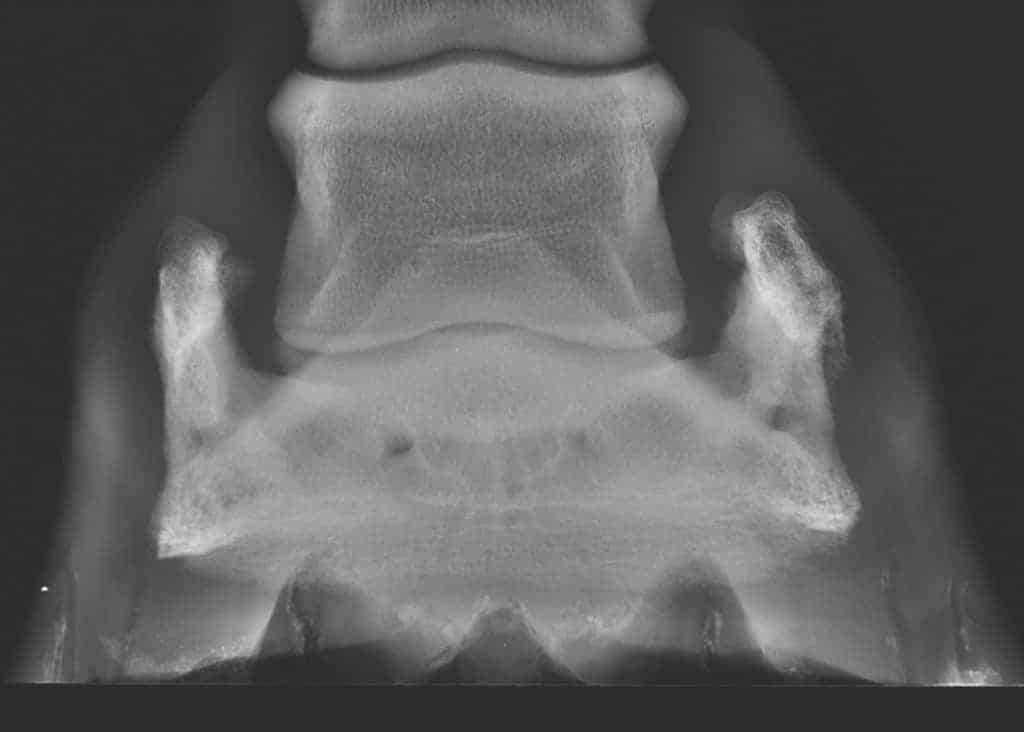
Some horses can develop lameness associated with injury of ossified ungular cartilages or the adjacent coffin bone.

Dr. Kevin Keegan of the University of Missouri examines the biomechanics related to diagnosing equine lameness.

Hoof abscesses are a common cause of severe lameness in horses. Find out how to manage one in our step-by-step guide.

The horse’s lower limb is subject to a multitude of injuries that can baffle even the most veteran veterinarians.

Here’s how to get your performance horse back to the show ring safely and successfully after layup.
Rutgers and University of Minnesota researchers are studying genetic factors underlying musculoskeletal diseases.
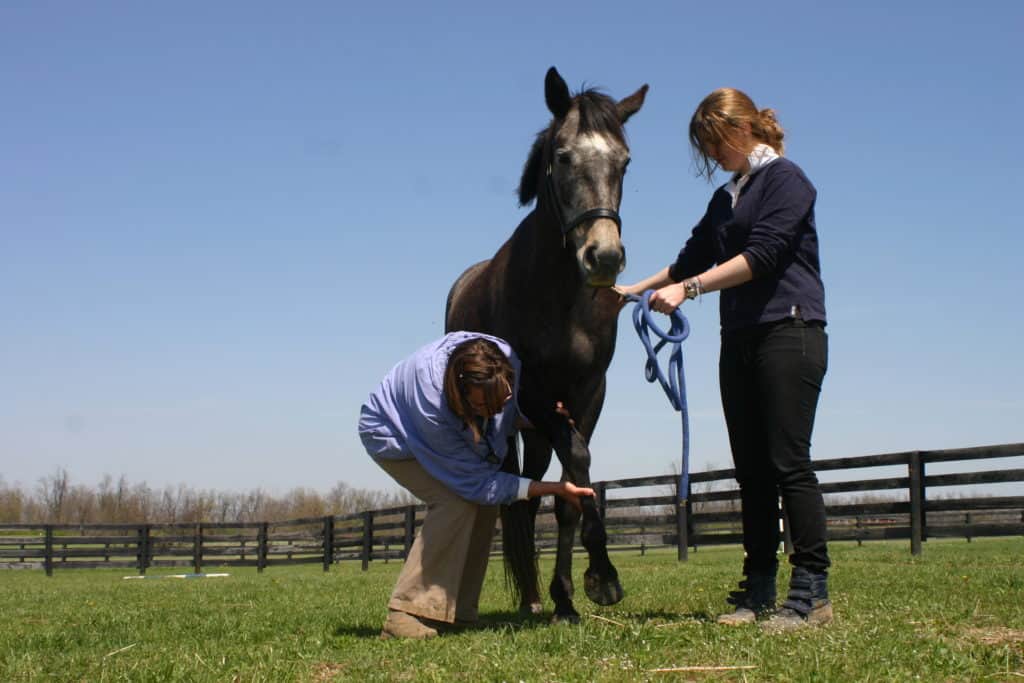
Many diseases cause signs similar to EPM, but won’t respond to EPM treatment. Ensure you treat for the right condition.
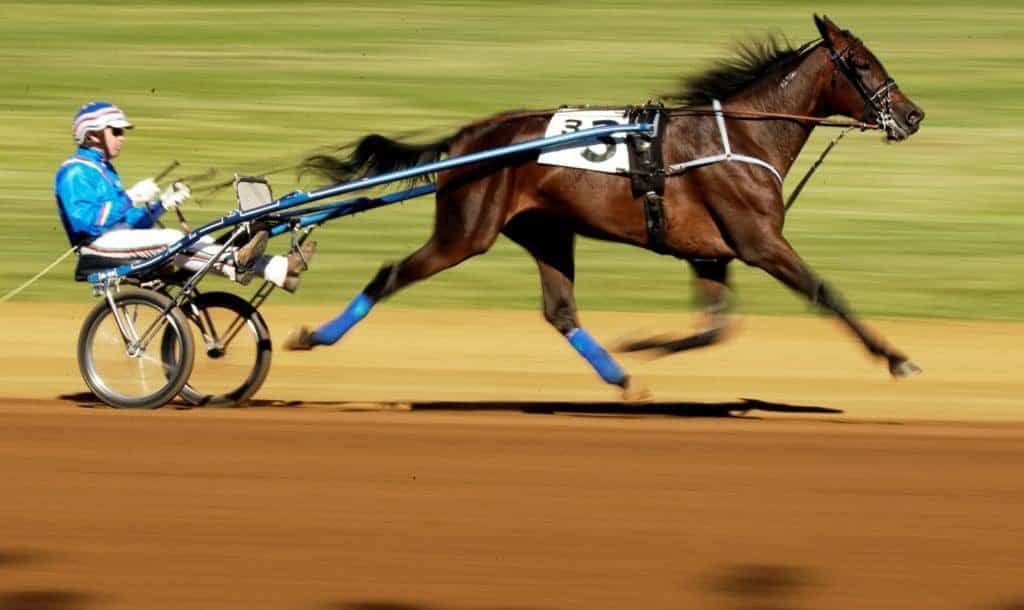
Researchers say the ‘Gait Keeper’ gene appears to be responsible for trotters’ success in harness racing.
Highlights and take-homes from the 2015 AAEP Focus on Poor Performance meeting in Lexington, Kentucky.
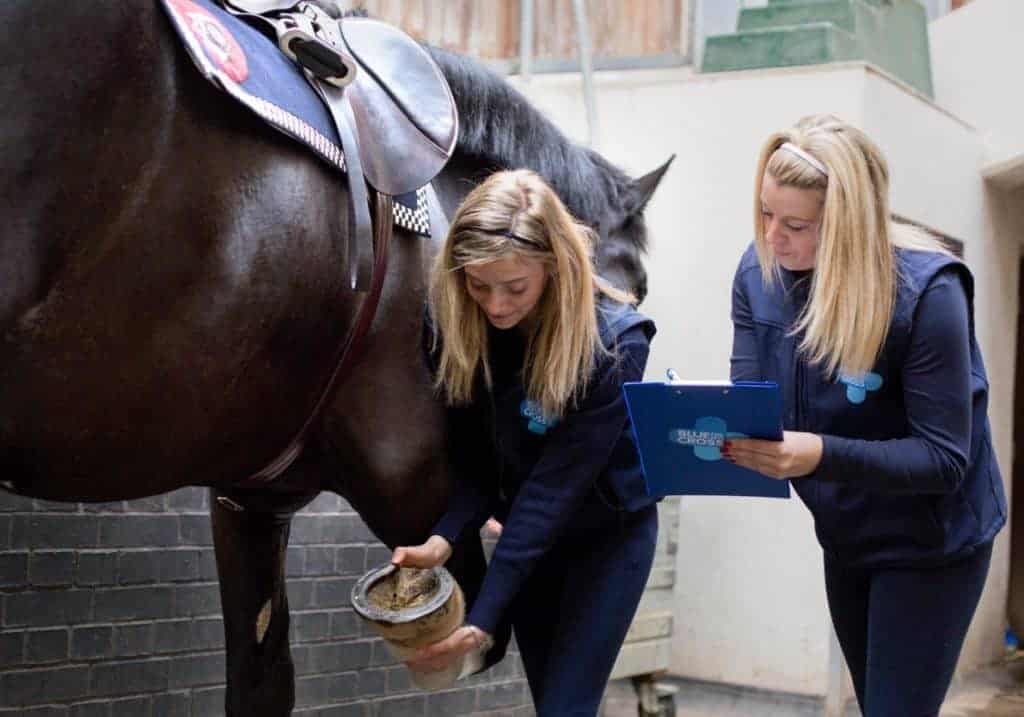
A British survey revealed that lameness is three times more likely to be caused by limb conditions than hoof problems.

Equine veterinarians confirm motion capture could be useful for objective measurements of ataxia, or incoordination.
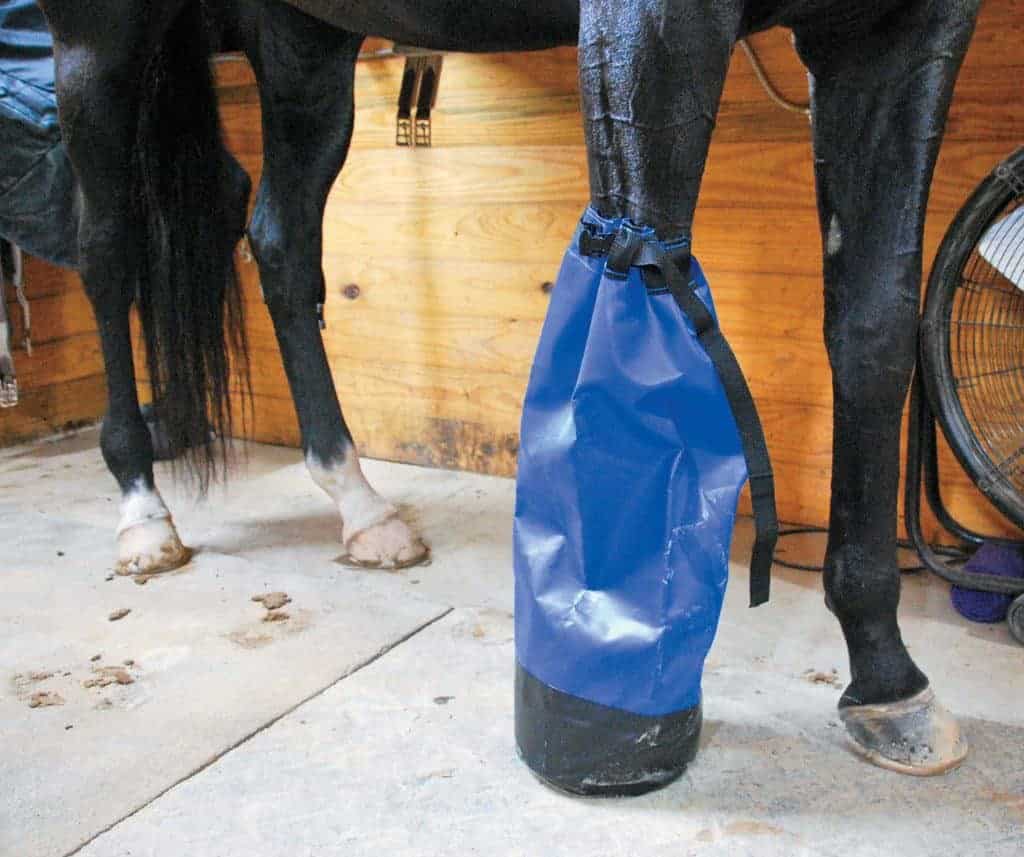
Of the 1,076 respondents, 48% said they soak the affected foot in Epsom salts and water if they suspect an abscess.