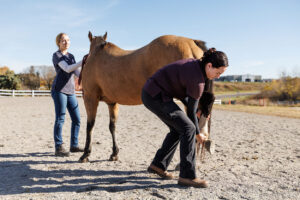
Grayson-Jockey Club Approves More Than $1.3 Million in Equine Research Funding
Research topics include nocardioform placentitis, bisphosphonates, exertional rhabdomyolysis, stem cells, equine asthma, and more.

Research topics include nocardioform placentitis, bisphosphonates, exertional rhabdomyolysis, stem cells, equine asthma, and more.

Digital flexor tendon sheath pathology can be difficult to diagnose and treat successfully. Here’s a look at Dr. Florent David’s approach, which he presented at the 2019 NEAEP Symposium.

How equine practitioners can use ultrasound to evaluate the multifidus muscle, which stabilizes and supports the equine back.

One manufacturer organized a roundtable of English and Western sport horse practitioners to evaluate their use of bisphosphonates.

A horse appears healthy and sidepasses well to the right, but not to the left. Could he be in pain? A sports medicine practitioner shares his thoughts.

One practitioner describes the steps he takes during a prepurchase exam to help buyers make smart decisions.

Researcher: Treating chronic laminitis will always be difficult, so prevention is key.

A veterinarian describes conventional and alternative therapies for helping tendons and ligaments heal.

While people might extol the virtues of various rehabilitation modalities, those testimonials rarely rely on the science surrounding the techniques.
The 11th NEAEP symposium emphasized farriers and veterinarians working together for the good of the horse. Read our in-depth coverage in this free report, sponsored by Soft-Ride.

High-tech measurements support master saddlers’ tree width standards.

Dr. Karen Waite offers her advice on keeping your horse safe when riding in the snow.

While adding up to 25% more rider weight didn’t negatively affect the horses in this study, researchers cautioned that it could in the long run.
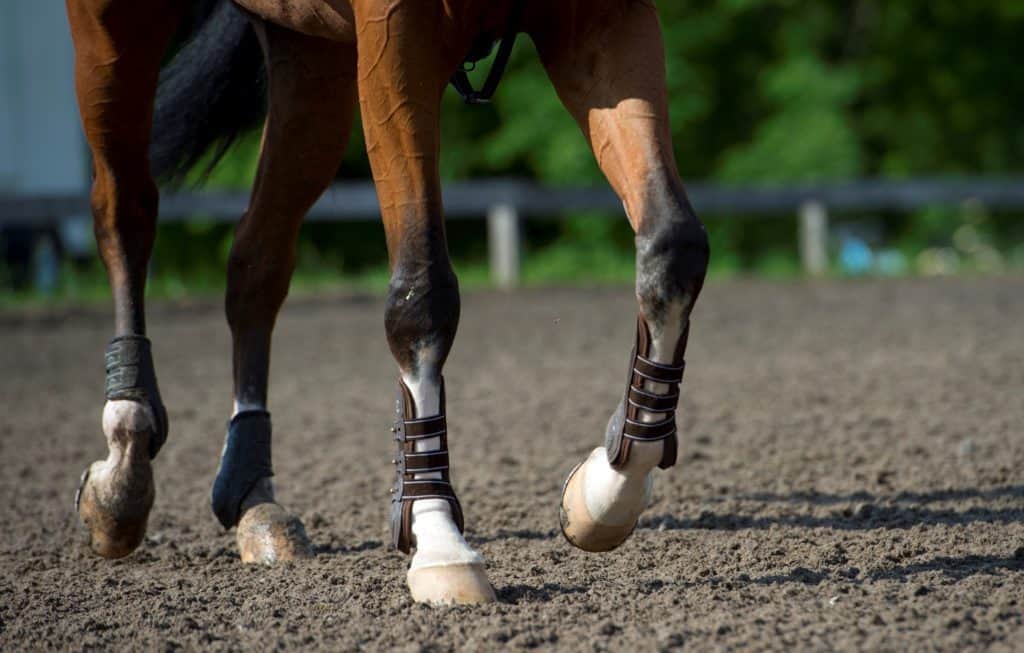
Researcher: Horses with osteoarthritis could one day benefit from a preventive approach using PAAG.

Dissections show that a well-developed caudal foot maintains it shape and does its job protecting the hoof and joints from concussion.

Something on the X rays looks a bit off—is it significant or of no consequence? It depends on what you find.