Diagnosing Fetlock Disease in Racehorses
One veterinarian weighs the pros and cons of available imaging modalities when it comes to diagnosing common fetlock injuries.

One veterinarian weighs the pros and cons of available imaging modalities when it comes to diagnosing common fetlock injuries.

Standing surgeries on sedated horses can provide good, if not better, results than equivalent surgeries on fully anesthetized horses, without the added costs and complications.
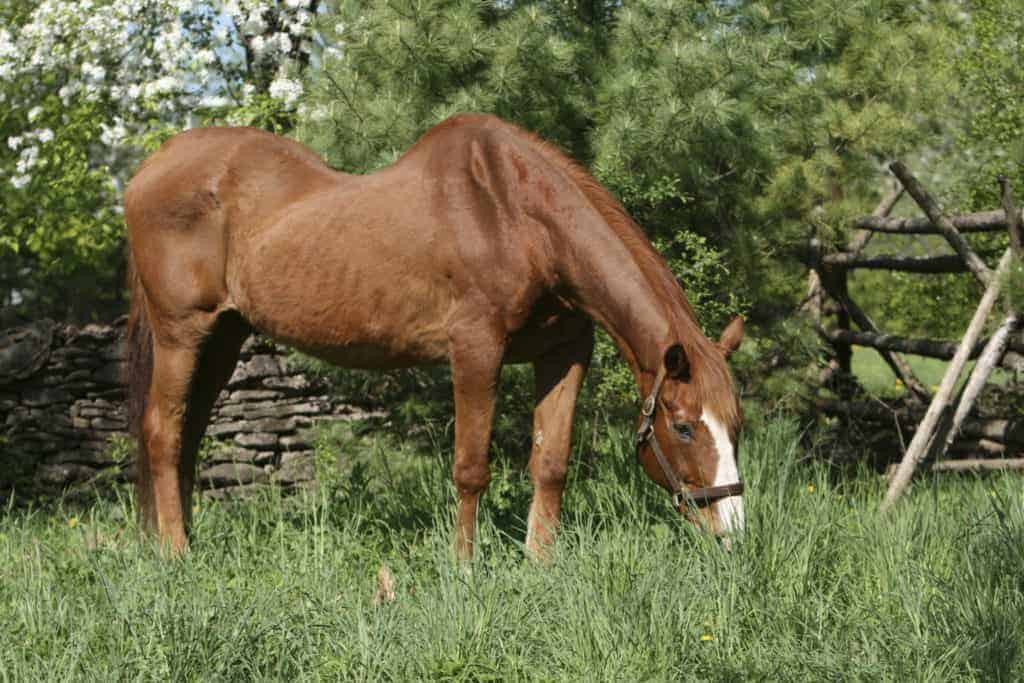
As horses get older, they face common age-related conditions and diseases that require management and care. Learn more about those conditions and diseases in this slideshow.

A psychologist documented and assessed a holistic farrier’s complex communication skills while handling a laminitis case.
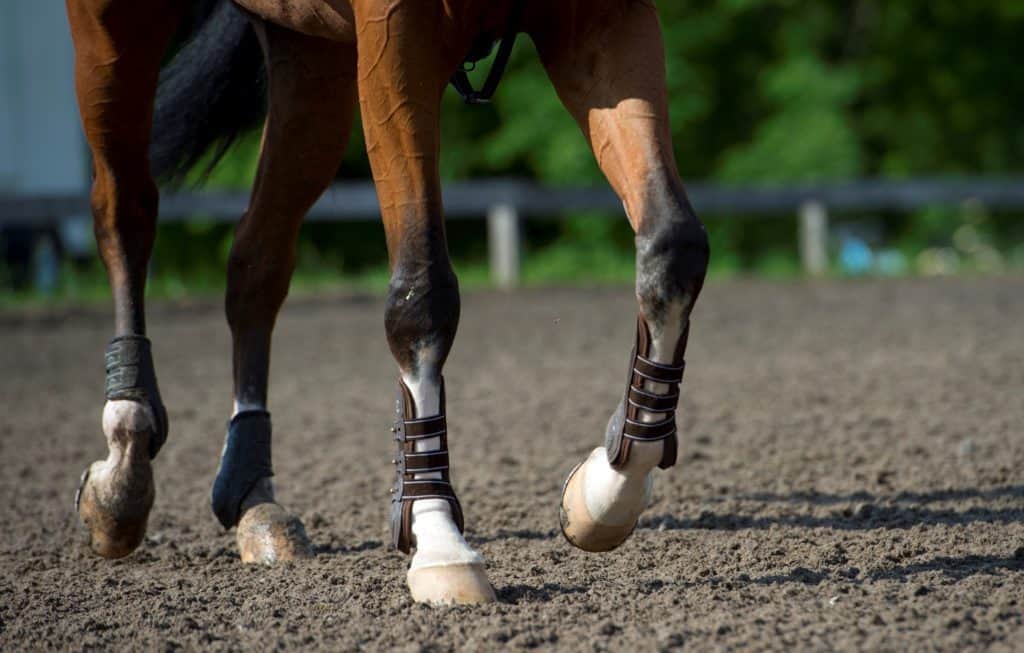
Should a buyer be concerned about a horse receiving bisphosphonates in the past? A sports medicine specialist offers insight.

Grooming gives you visual and tactile information about your horse’s health.

Find out what items should be in your horse’s first-aid kit, what they’re used for, and how to store them.

Researchers at North Carolina State University have developed a PRP lysate that, when teamed with antibiotics, can eradicate bacterial biofilms common in joint infections.

Stride changes during races and works could help identify horses at risk of impending injury.
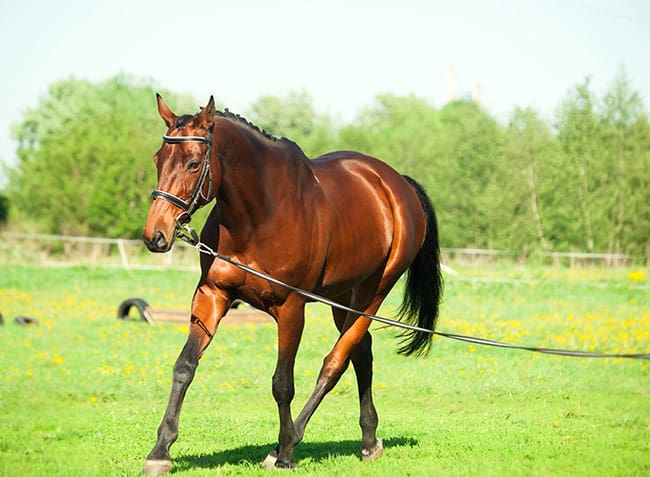
Is frequent circular exercise linked to osteoarthritis?

Study: Amikacin is indeed toxic to cartilage, synovial cells, and stem cells. When used preventively for joint injections, lower doses are likely warranted.

Pilot study: 82% of unsound racehorses with osteoarthritis treated with 2.5% PAAG joint injections showed no signs of lameness six weeks after treatment.

A deep branch lateral plantar neurectomy and fasciotomy procedure can get affected horses back to work.

Seven measurement tools and methods veterinarians can implement into equine rehabilitation programs to track progress.

Dr. Dean Richardson presented the Milne State of the Art Lecture at the 2019 American Association of Equine Practitioners’ Convention to offer insight into treating bone breaks and fractures in horses.

After identifying the affected structures, veterinarians can use ultrasound, radiographs, and synoviocentesis to assess synovial involvement.