Bone Development Before Birth in Horses
In horses bone development begins in the womb, but researchers are still working to understand the complexities of in utero bone growth.

In horses bone development begins in the womb, but researchers are still working to understand the complexities of in utero bone growth.
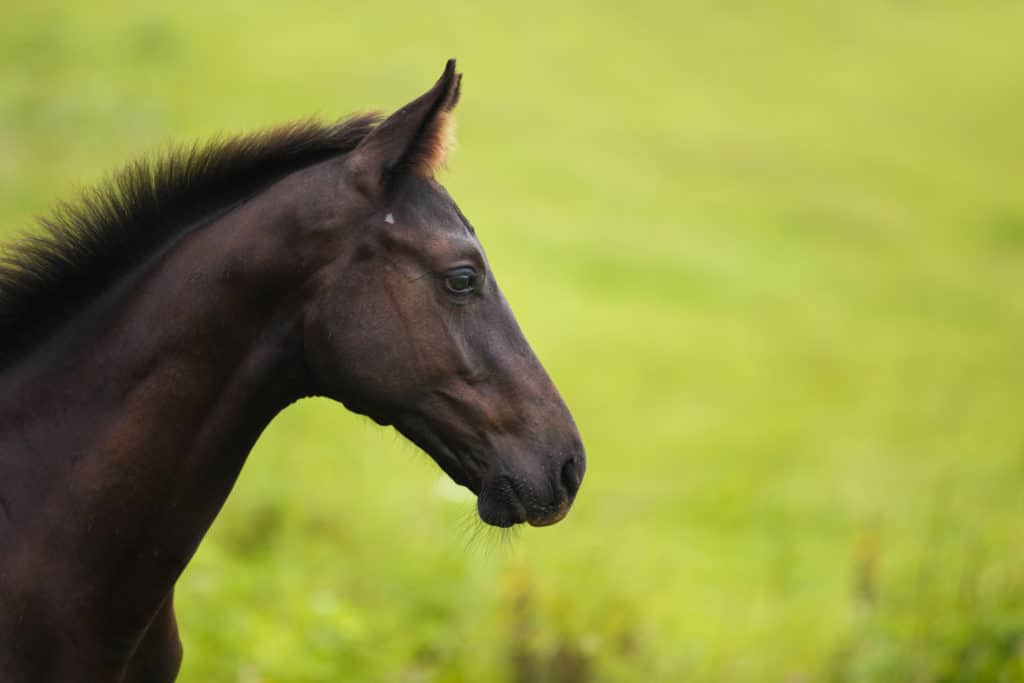
Horses with Warmblood fragile foal syndrome have extremely fragile skin and abnormal joint laxity.

Trainers should be aware that joint injections can have many benefits, but veterinarians need to be careful about selecting cases to receive this treatment, one researcher said.
Researchers in the United Kingdom are hoping owners of horses diagnosed with or suspected of having back problems will complete a survey for a study in progress.

Once the biomarkers identified in this study are confirmed through more tests and larger samples, scientists might be able to develop treatments to prevent chronic pain, researchers said.

Collaborative efforts among horse health researchers, the racing industry, and governments could lead to effective measures that will improve safety for both horses and jockeys, one equitation scientist says.

Boots and wraps protect the horse’s limbs. But have you ever asked yourself why or how these dressings protect a horse’s leg–or if they even do?

U.S. Olympic show jumper Kent Farrington discusses horsemanship, training, recognizing each horse’s individuality, his “ponies,” and more.

Amnion, the relatively thick innermost layer of the fetal tissues, contains numerous biological molecules that promote tissue growth and improve wound healing, researchers say.

The earlier you can detect endocrine conditions such as PPID and EMS, the better chance you have of preventing associated laminitis in affected horses.

An ideal conditioning and racing program allows racehorses to perform at their peak, remain sound through their racing careers, and be ready to commence a second career in another discipline.
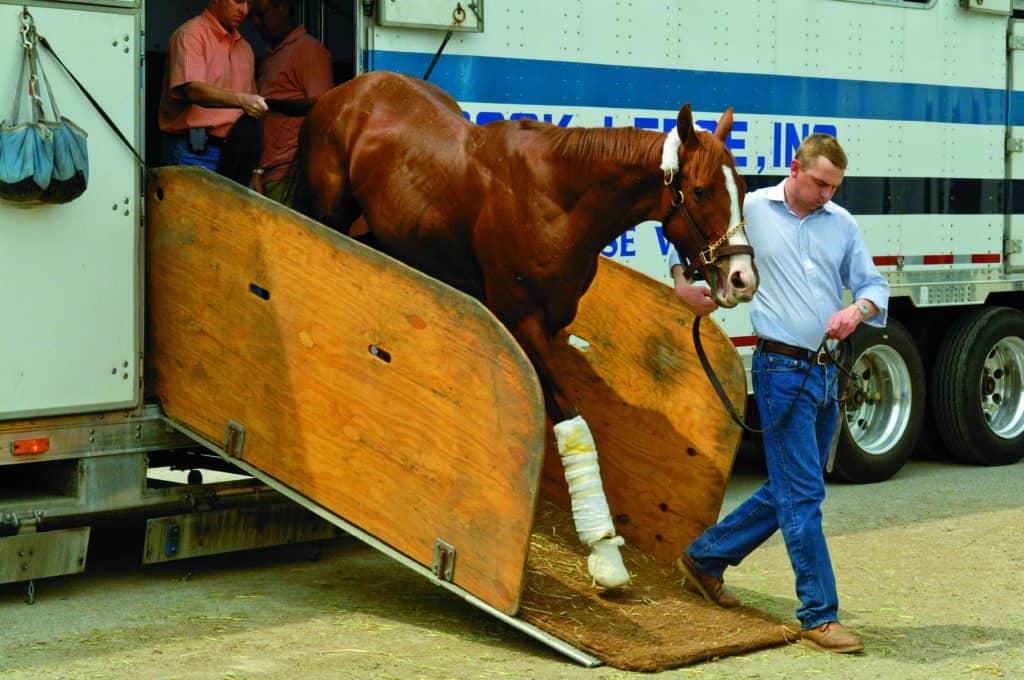
A forage-only diet and transported before exercise could positively impact horses’ exercise performance, researchers found.

An average mature horse at rest or performing light exercise requires 3.5 milligrams of iodine per day. This increases in late gestation, lactating broodmares, and horses in heavy work.

Veterinarians have tools at their disposal, ranging from imaging to sample analysis, that can help pinpoint the cause of respiratory problems in sport horses.

Catch a ride with U.S. Team eventer Boyd Martin and find out what it takes to prepare high-performance horses for competition.

Take an inside look at the rules and regulations regarding importing horses to the United States solely for competition.