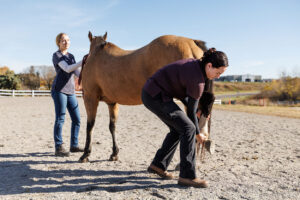
Shipping and Showing Horses
Monitor and optimize your horse’s training, diet, health, and shipping experience in order to help him perform his best.

Monitor and optimize your horse’s training, diet, health, and shipping experience in order to help him perform his best.

Recent study results suggest small but significant differences exist between how much foals slip and slide when standing and osteochondrosis incidence in Warmbloods.

Researchers found horses treated for superficial digital flexor tendonitis with a new biologic product recovered better than those that received a placebo.

Research on equine airway issues is important as almost all horses suffer from respiratory tract disorders, some performance-limiting, at some point in their lives, veterinarians say.

Researchers have learned that fractured splint bone healing can be optimized by replacing metal screws with absorbable ones.

Researchers performed diagnostic imaging on Standardbreds’ limbs to pick up early signs of damage to bones, muscles, tendons, and ligaments. They noted more serious lesions—and more lesions in general—in horses trained only on a firm surface.

Sessions on pre-race veterinary examinations, documentation, medication rules, and more.

Degeneration involves changes in the discs’ color, texture, and integrity due to age and possibly use, researchers said.

Many Thoroughbreds start racing at 2, but Justify didn’t make his first start until he was 3 and won the Triple Crown. Does this mean we shouldn’t start racing horses until they’re older? An equine surgeon and lameness specialist weighs in.

Other topics to be addressed are disaster planning, the Thoroughbred’s versatility as a sport horse, racing surfaces, and more.
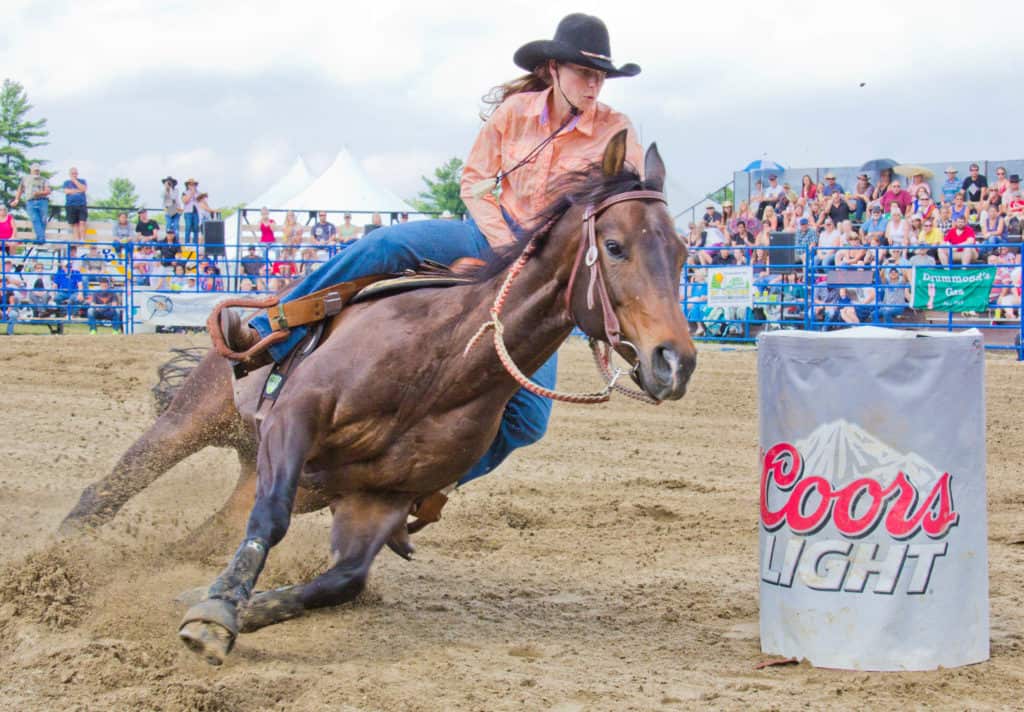
At this time there’s no evidence that EIPH affects barrel racing horses’ performance, but more research on the topic is needed, scientists say.

Scientists are continuing to uncover which genes are responsible for certain traits in horses.
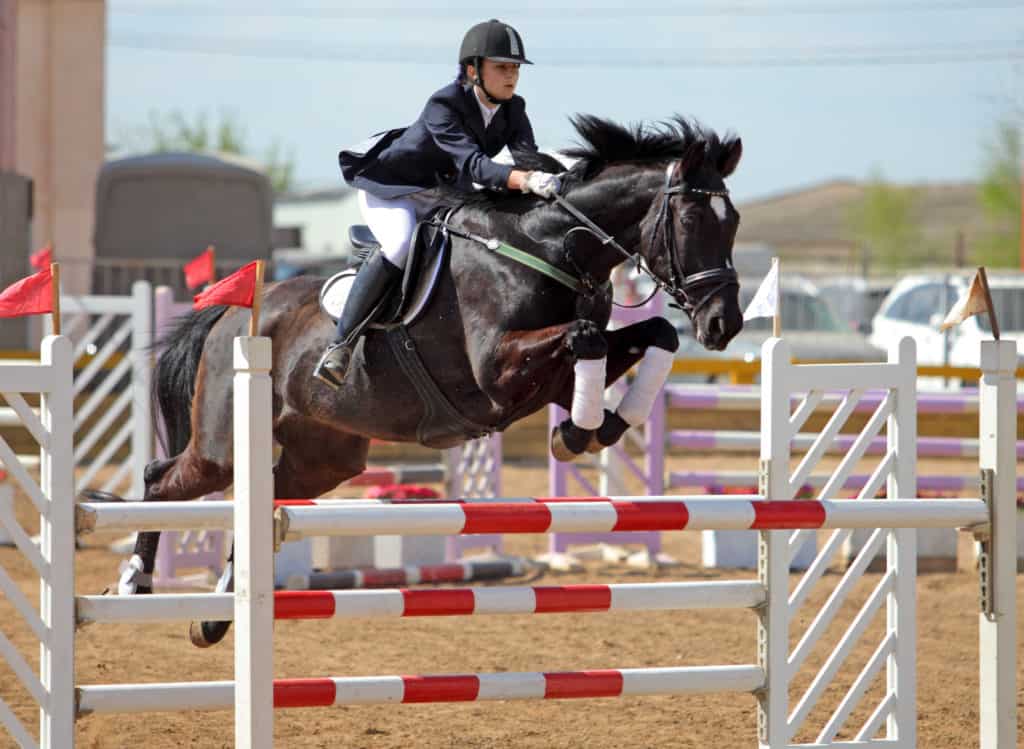
Researchers tested a technique to log heart rate and speed data from each horse in an attempt to monitor, step-by-step, the horse’s physical response to jumping during training, competition, and recovery.
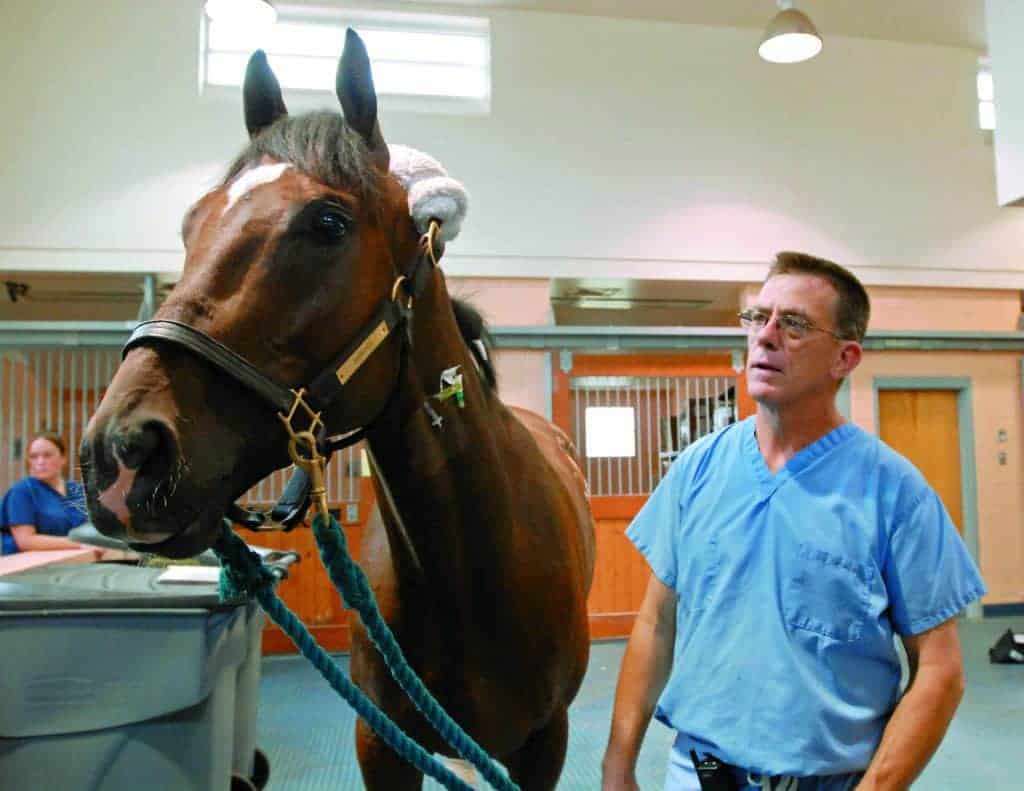
Orthopedic surgeon Dean Richardson, DVM, Dipl. ACVS, will present “Stories About Horse Fractures,” as part of Penn Vet’s First Tuesday Lecture Series on June 19.

Dr. Debra Taylor describes the visual exam of a healthy hoof and how horses’ feet can change in response to external factors.

It’s the question that always ignites a fierce debate in the racing world: Should people be able to race Thoroughbreds under the influence of therapeutic medication?