‘Think Outside the Box’ for Horse Weight Loss
Researchers are working to help owners find ways to help their horses lose weight no matter their circumstances–from boarding facility set up issues to unsound horses that can’t be exercised.

Researchers are working to help owners find ways to help their horses lose weight no matter their circumstances–from boarding facility set up issues to unsound horses that can’t be exercised.

The new technique provides a stronger anchor point on the paralyzed laryngeal cartilage and performs better than current surgical practices for treating roaring in horses.

Researchers said the data they collected will help them estimate how effective training and conditioning programs are in preparing three-day event horses for competition.

Funtional electrical stimulation, or FES, might help reduce back pain in horses with asymmetric multifidi muscles, researchers found.

There’s been very little scientific study into sudden death in sport horses, but researchers recently reviewed a number of incidents with the ultimate goal of reducing the number of fatalities that occur.

Scientists hope an estimation of the forces applied to the ligaments and tendons can be used to test the soft-tissue structures’ strain when the limb is faced with variable footing and ground reaction forces.
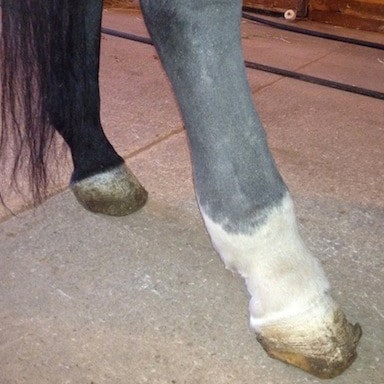
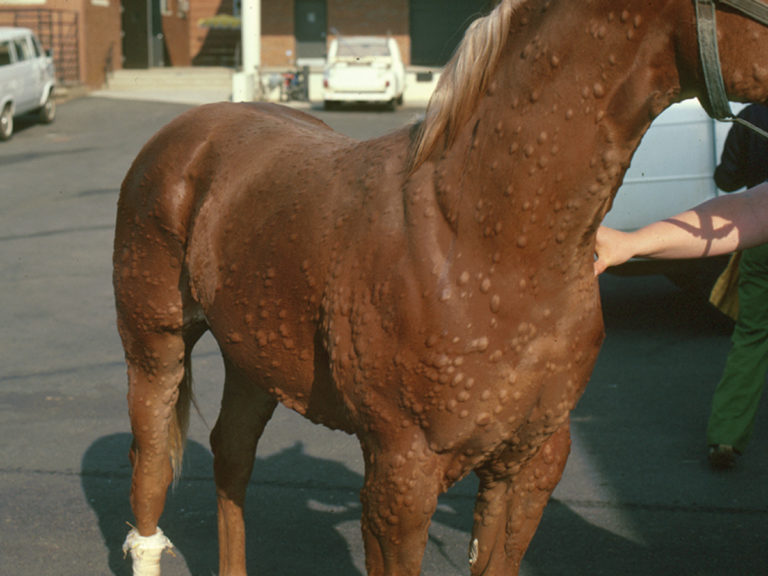
If left untreated, cutaneous lymphangitis can cause permanent leg disfigurement. Here’s what to know about this condition.

The ultimate goal of any post-mortem exam program is to mitigate racehorse injury risk and, in turn, that of the exercise riders and jockeys involved.

Thoroughbreds conditioned on water treadmills increased both their VO2max and speed.

Researchers found that many horses not diagnosed with neck pain had bony changes in the cervical spine.

Understanding how pulmonary disease impacts performance can help veterinarians diagnose and treat issues that could be impairing horses’ athleticism.

Nails that have punctured the bottom of a horse’s hoof, sometimes called “street nails,” require careful veterinary inspection and treatment. Here’s what to know.
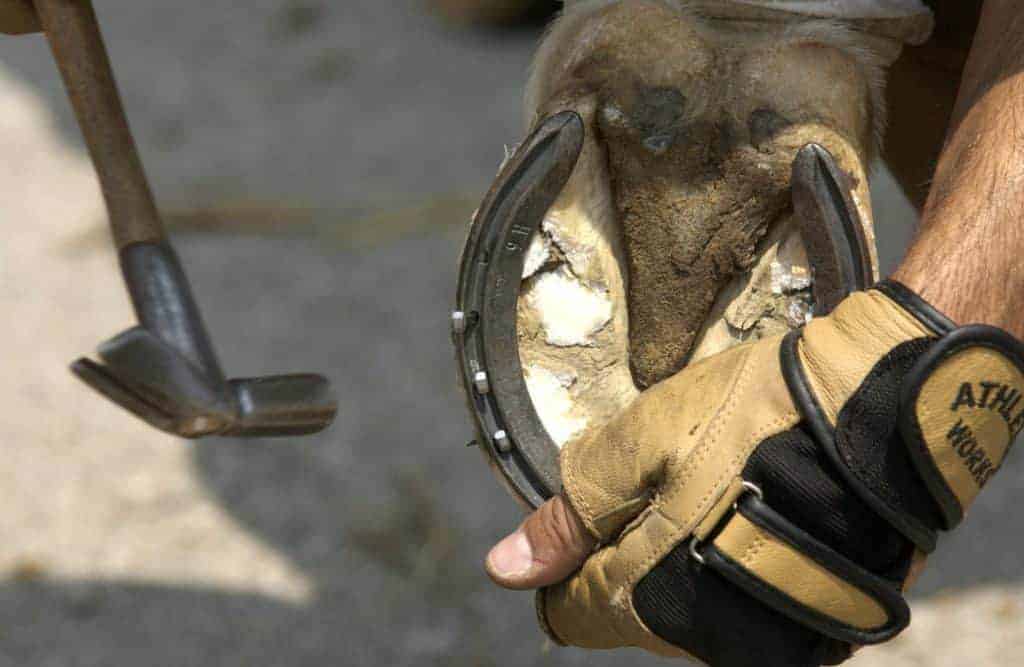
Farriers believe the American Veterinary Medical Association’s (AVMA) proposal to eliminate them from a list of exemptions in the latest suggested revision to the Model Veterinary Practice Act (MVPA) could carry unintended consequences.
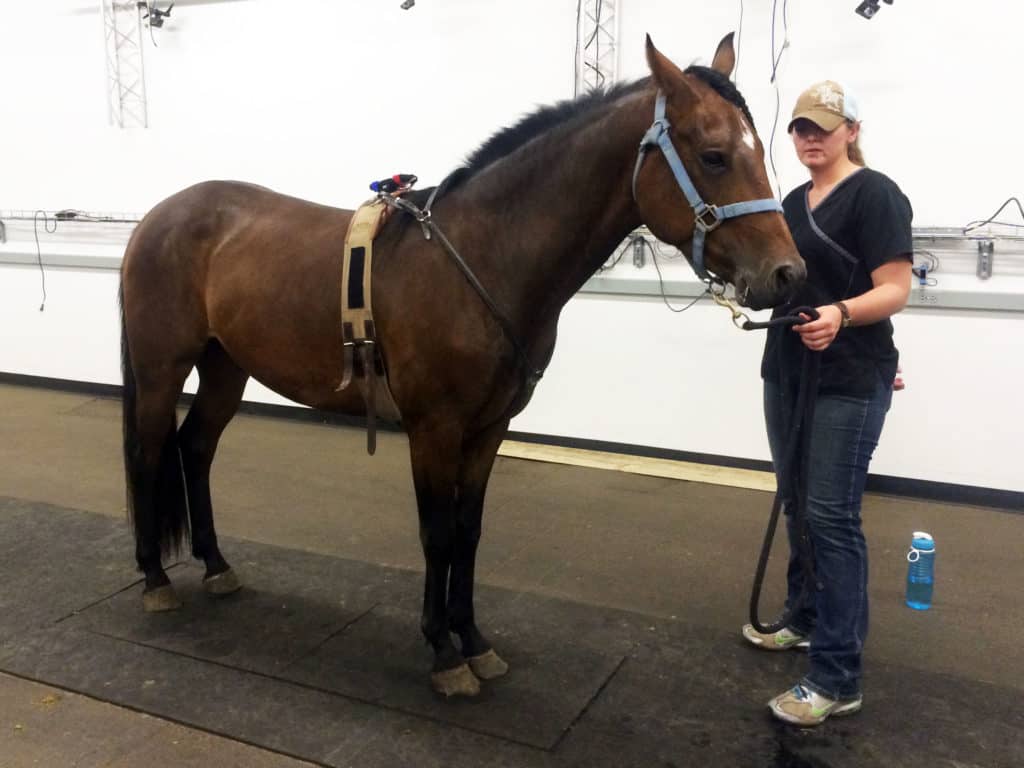
Lameness and neurologic disorders can impact equine postural stability—how a horse holds himself up in a standing position—and measuring it can help veterinarians diagnose certain disorders.
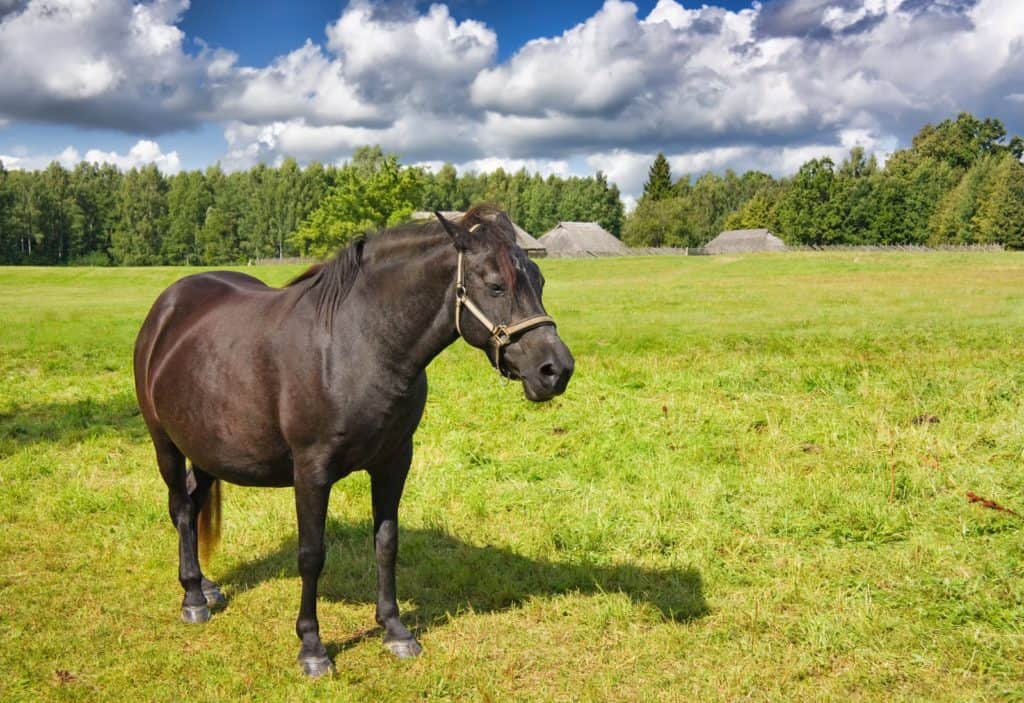
Researchers identified a link between glucose and insulin concentrations (measured using an oral glucose test) and risk and onset of laminitis.

Recent study results suggest heart rate monitoring can allow trainers to assess workloads and adjust training for improved conditioning and race outcomes.