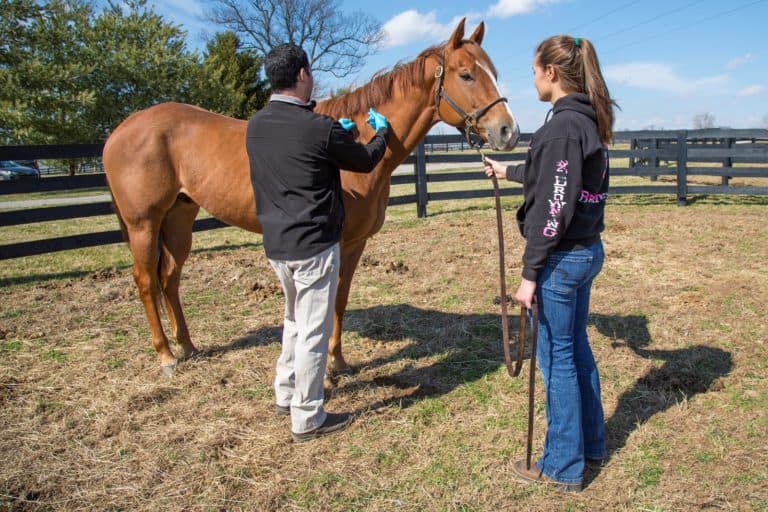
Dr. Andrew van Eps Joins New Bolton Center Faculty
Van Eps’ research focuses on understanding, preventing, and treating laminitis and other musculoskeletal diseases.

Van Eps’ research focuses on understanding, preventing, and treating laminitis and other musculoskeletal diseases.

Top tweets and take-homes from sessions on PSSM, laminitis studies, equine tongue tumors, and more!

Take steps to reduce the risk of laminitis development, such as combating obesity and reducing pasture and NSC intake.
The British survey results also suggest that lamenesses are more likely to originate in the limb than in the foot.

Being able to identify horses at increased risk of developing laminitis is key to reducing its incidence.
The foundation will distribute $459,198 to 27 organizations and special projects committed to improving equine welfare.

The foundation will support two research projects investigating support-limb laminitis.
Top take-homes from presentations on laminitis, grass sickness, atypical myopathy, sedation, and more.

Of the 585 respondents, 372 (64%) said they have owned or managed a horse with laminitis.

Your horse’s best chance of overcoming this hoof disease might lie in your ability to catch it early.

Researchers identified several disease predictors, including advancing age, laminitis, and a cresty neck, among others.

Horses with chronic laminitis should be closely monitored during treatment and recovery. Here’s what to consider.

Confinement is difficult but often necessary for healing. Learn how to keep horses healthy while on stall rest.
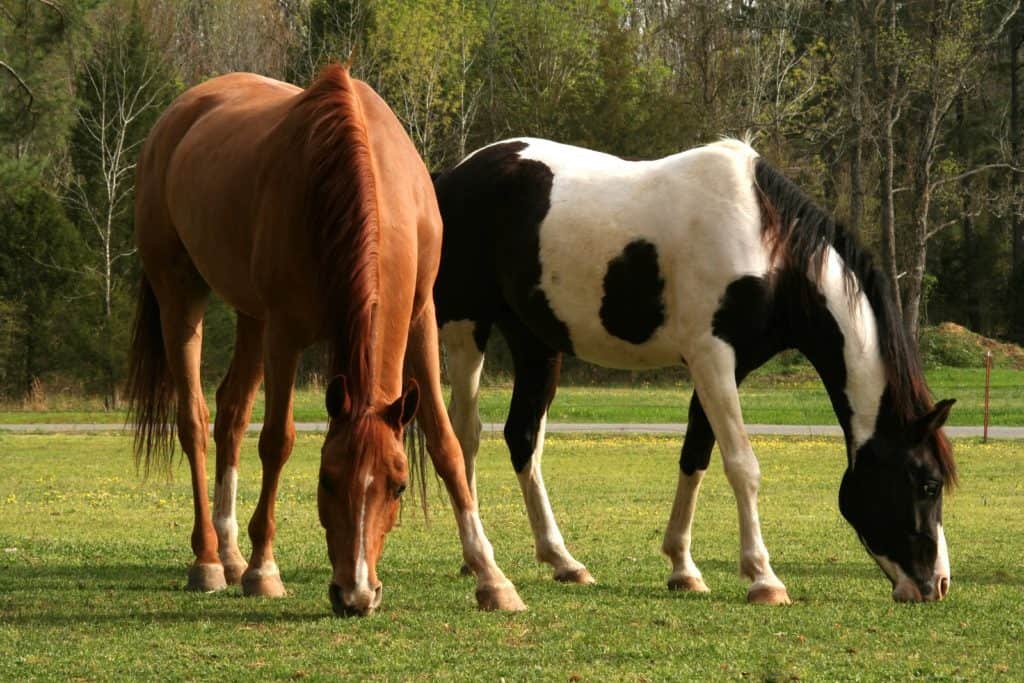
Overconditioning, grazing during sunlight hours, and frozen footing could potentially trigger laminitic episodes.

Spring grass might be delicious for horses, but it can cause problems including laminitis and fescue toxicity.

Chronically laminitic mares developed potentially detrimental changes in uterine blood flow during pregnancy.