How Well Do Horse Owners Recognize Laminitis?
Owners did not recognize laminitis in 42 out of 93 cases; rather, they cited undefined lameness, hoof abscess, or colic.

Owners did not recognize laminitis in 42 out of 93 cases; rather, they cited undefined lameness, hoof abscess, or colic.

One researcher believes records collected by vets seeing horses in the field could offer new insight into laminitis.

The outer hoof’s health affects the bones and soft tissues within, and vice versa.

Laminitis risk is the No. 1 reason we worry about equine metabolic conditions such as EMS and PPID when feeding horses.

Follow Tess, a 16-year-old mare, step-by-step as she rehabs from a bought of PPID-related laminitis.

Researchers explored if hyperinsulinemia and laminitis severity are correlated in horses recently diagnosed with PPID.
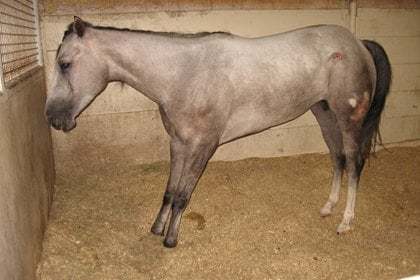
Dr. Andrew van Eps’ lecture will take place May 2 at Penn Vet’s New Bolton Center in Kennett Square, Pennsylvania.

Equine metabolic syndrome can cause obesity, insulin resistance, and laminitis. Find out how to care for your EMS horse during our live event.

In one trial, oral acetaminophen was comparable to flunixin meglumine at relieving hoof pain.

Researching wild and feral horse hooves helps us better understand domestic horse hoof health.

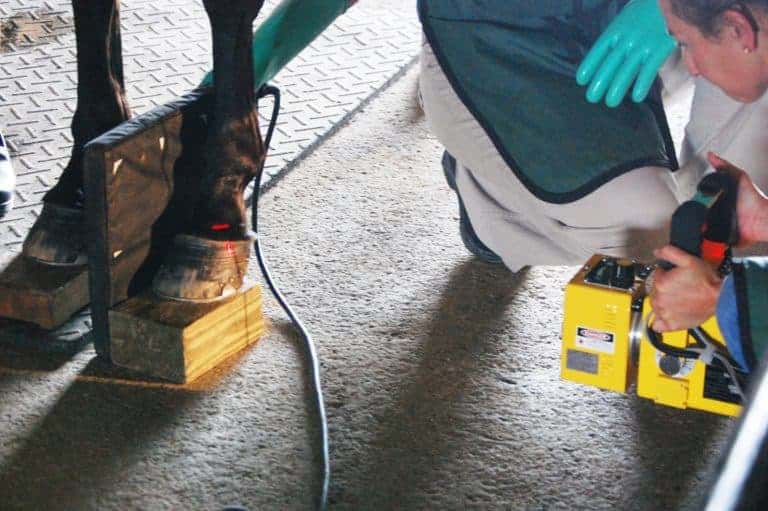
Taking multiple radiographic views–both weight-bearing and not–allows vets to assess the findings most accurately.
Researchers have made great strides in understanding laminitis, but it remains a difficult disease to predict and treat.
A British veterinarian describes what scientists think happens in the body with endocrinopathic laminitis cases and why.

The good news is that many of the laminitis risk factors researchers identified can be detected early and modified.
View videos on vision, fear, the hoof, assessing the foal after birth, EIPH, trimming old horses’ hooves, and more.

Articles on behavior and equitation science, wound care, laminitis, beet pulp, hoof care, and more were popular in 2016.