Foundation Commits $1.16 Million to Equine Research
Research topics include EHV-1 latency, foal pneumonia, training and surface factors in preventing injury, and more.

Research topics include EHV-1 latency, foal pneumonia, training and surface factors in preventing injury, and more.

While hoof boots aren’t a permanent solution for chronic laminitis, they can provide customized support and pain relief.

Veterinarians share their experiences in delivering pain management and discuss the pros and cons of various drugs.

Vets can use SAA levels to differentiate between systemic inflammation and noninflammatory diseases in horses.

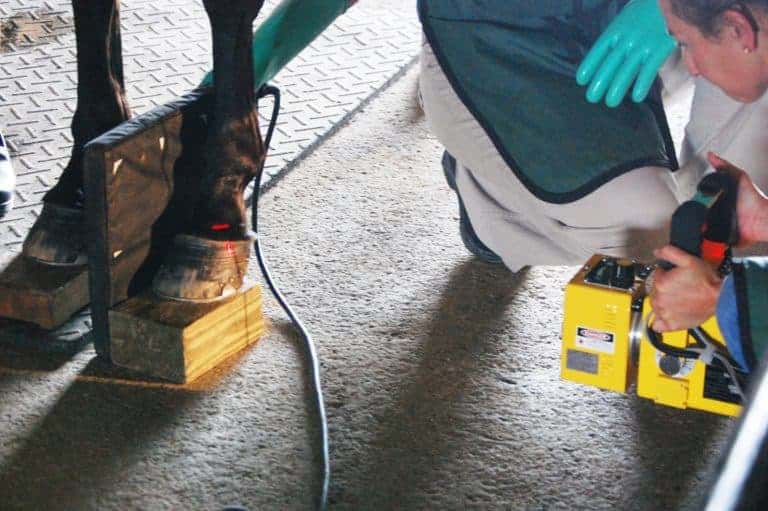
Radiographing deep hoof wall layers, where laminitic changes occur first, could be helpful in early clinical assessment.

Readers learned about a variety of topics from sweat marks under saddles and laminitis to beet pulp and hoof cracks.

As a result, one vet said efforts to prevent laminitis of common origins could reduce the disease’s impact more.

Beginning treatment during the acute phase helps give the horse the best chance of recovery. Here’s what to know.
The AAEP Foundation is accepting pre-proposals for research projects on supporting limb laminitis until Jan. 15, 2016.

Addressing the anatomy, conformation, and biomechanical principles of the equine foot.

Owner-managed weight loss in horses with EMS reduced both insulin resistance and susceptibility to laminitis.

Firocoxib and acetaminophen showed promise in alleviating acute equine foot pain, researchers found.

The multiple graded stakes winner developed laminitis after stepping on a nail following her most recent victory.

Manage pastures and horses’ grazing times carefully to help reduce the risk of laminitis, a painful hoof condition.
This method showed that the hoof appears to be impacted more extensively by laminitis than previously thought.

Feeding a laminitic horse can be a challenge. Here are some tips for planning a diet suitable for such horses.