Feeding to Prevent Colic
Horses are more prone to digestive upset than other domestic animals because of how their GI tract functions.

Horses are more prone to digestive upset than other domestic animals because of how their GI tract functions.

Developing an understanding of post-colic feeding practices can help your horse on the road to recovery.
We’ve collected tweets and take-homes from the 2017 Equine Science Society Symposium. Take a look!
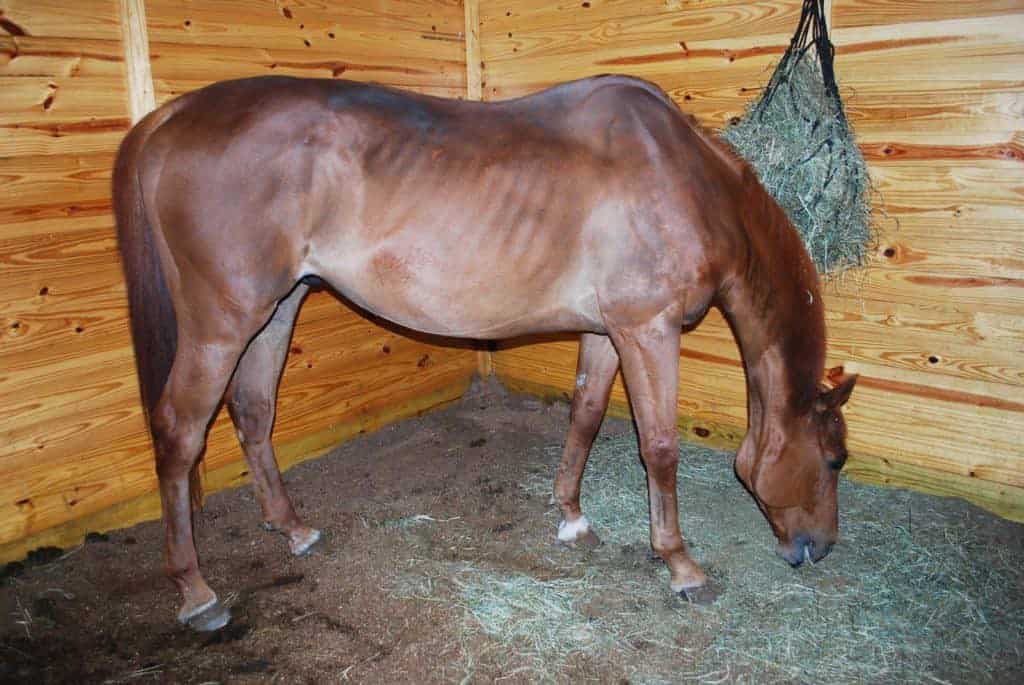
In most cases, energy requirement recommendations are an estimate of what a horse needs.

Have you increased your horse’s workload this spring? Find out how to safely increase his energy intake to match.

Our staff and sources offer ways you can save time during feeding time.

How young horses are fed and housed can impact how osteochondral lesions evolve, and even help them heal.
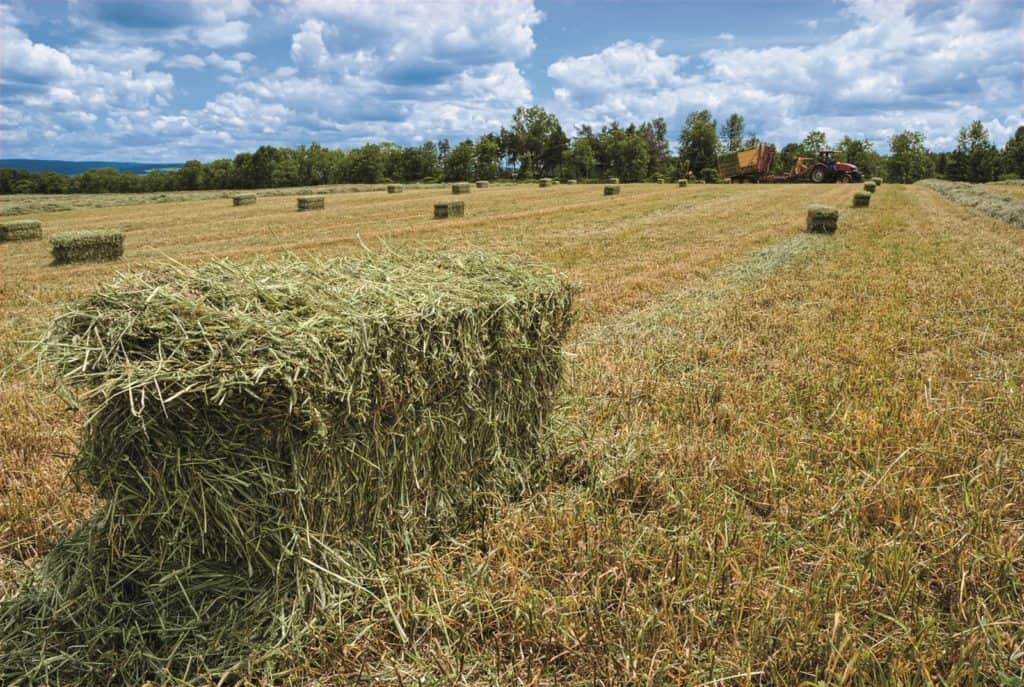
Of the 832 poll respondents, 285 (34%) say feed and hay will be their most expensive equine-related purchase this year.

Carbohydrates are the main source of dietary energy for horses and are important for fast, quick-burning power.

Our nutrition expert considers grain hays, grass hay, and alfalfa for feeding growing horses.

Performance horses need customized diets to meet their energy requirements, as hay alone likely won’t suffice.

Presentation topics include feeding through a horse’s life cycle, evaluating body condition, nutrition myths, and more.

Feeding the correct type of calories wisely can help promote weight gain and improved body condition.

Scientists hope biomarkers in gut microbiota could be used as diagnostic or prognostic indicators in the future.

Get a head start on readying horses for the warmer weather with these tips.