The Ins and Outs of Feeding the OTTB
Careful dietary consideration can help make an OTTB’s transition from racehorse to pleasure or sport horse easier on his digestive system.

Careful dietary consideration can help make an OTTB’s transition from racehorse to pleasure or sport horse easier on his digestive system.
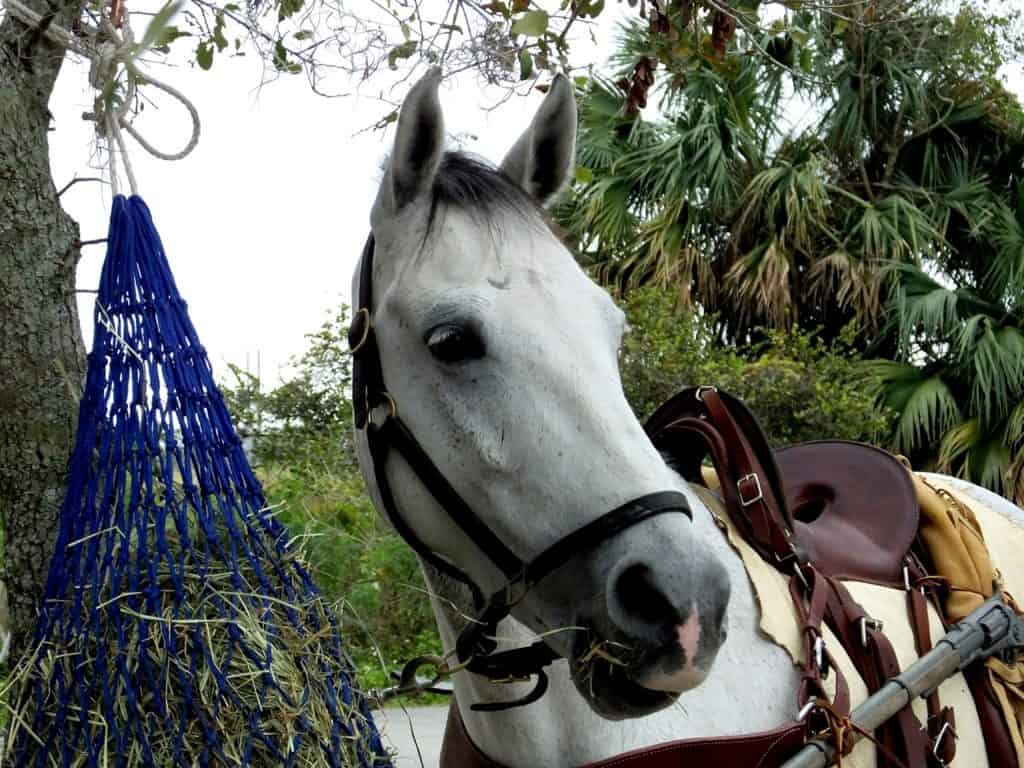
Riding and camping in wilderness areas can present challenges for feeding your horse. Here are some tips.

Nearly half of the European feed samples researchers analyzed had levels of pyrrolizidine alkaloids—naturally occurring, potentially toxic organic compounds—that were higher than the accepted maximum tolerated levels, they said.

Read about research into increasing the time horses spend eating (a good thing) without feeding them too much (a bad thing), along with more take-homes from the 2019 Equine Science Society Symposium.

Pay close attention to and never ignore possible red flag indicators that arise when considering or visiting horse boarding barns. Here are some of the issues potential boarders might encounter.
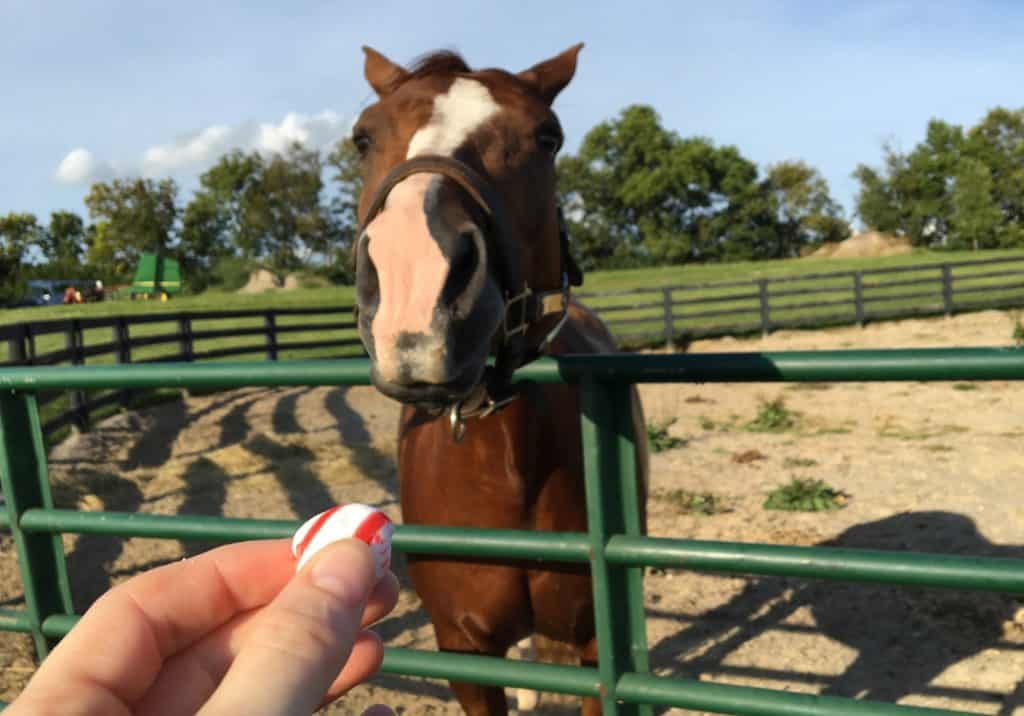
Will giving my horse peppermints offset the hard work we’re doing to help her lose weight?

Are you looking for an economical option to make sure your easy-keeping horse is getting the nutrition you need? Dr. Clair Thunes suggests trying a ration balancer.
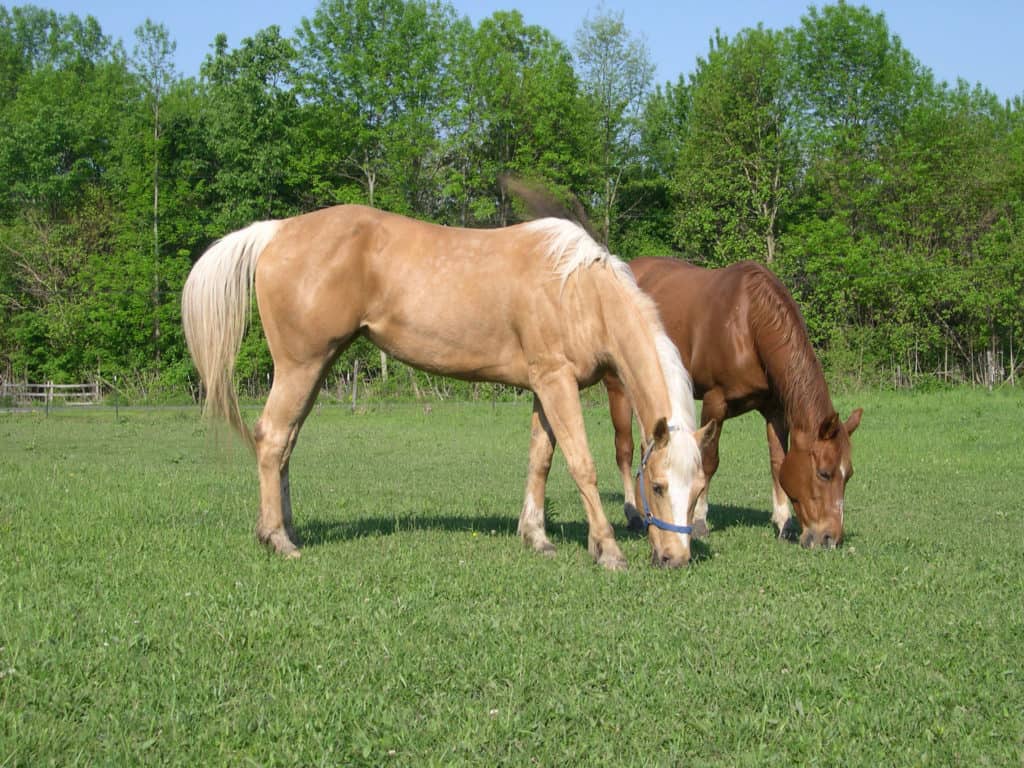
An owner gives her two horses the same feed and is happy with the results with one horse but is concerned about the other. Dr. Clair Thunes discusses what causes horses to respond differently to the same diet.

Independent equine nutritionist Dr. Clair Thunes shares basic guidelines for feeding horses enough calories and what factors might influence your horse’s caloric needs.

Moving north for the summer or south for the winter with horses can make feeding them a consistent diet challenging. An equine nutritionist offers tips to ease the transition.

An independent equine nutritionist answers horse owner questions on forage, feed concentrates, fats, supplements, and more.
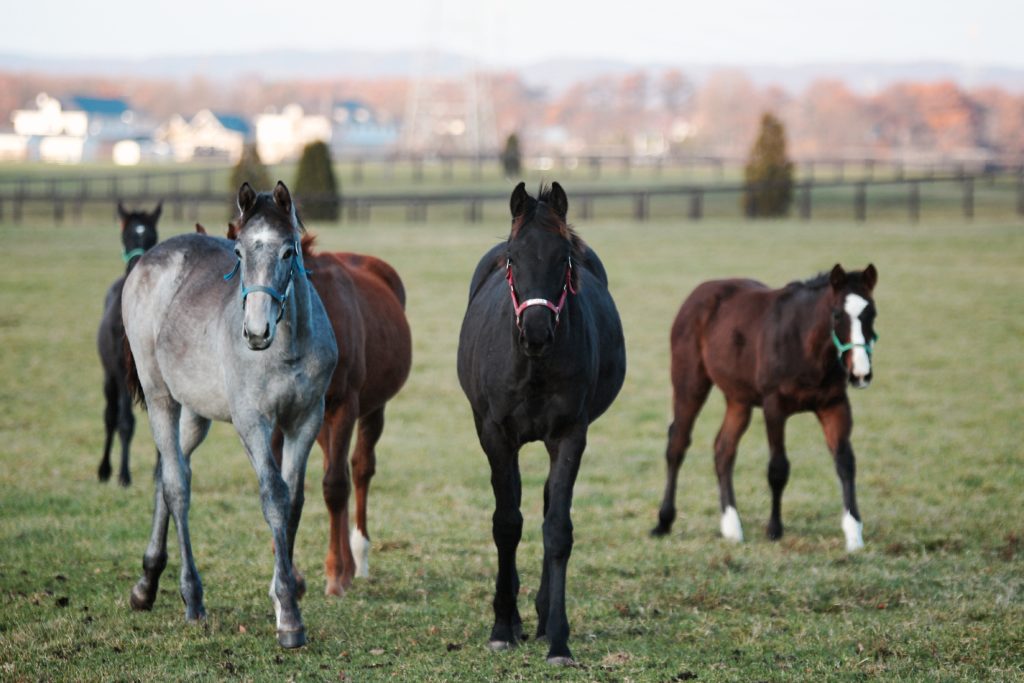
High-carb diets can put weanlings at risk for developmental orthopedic diseases. Could these horses get by on high-forage, low-concentrate diets?

The information on your youngster’s feed tag is designed to help you make important feeding decisions.
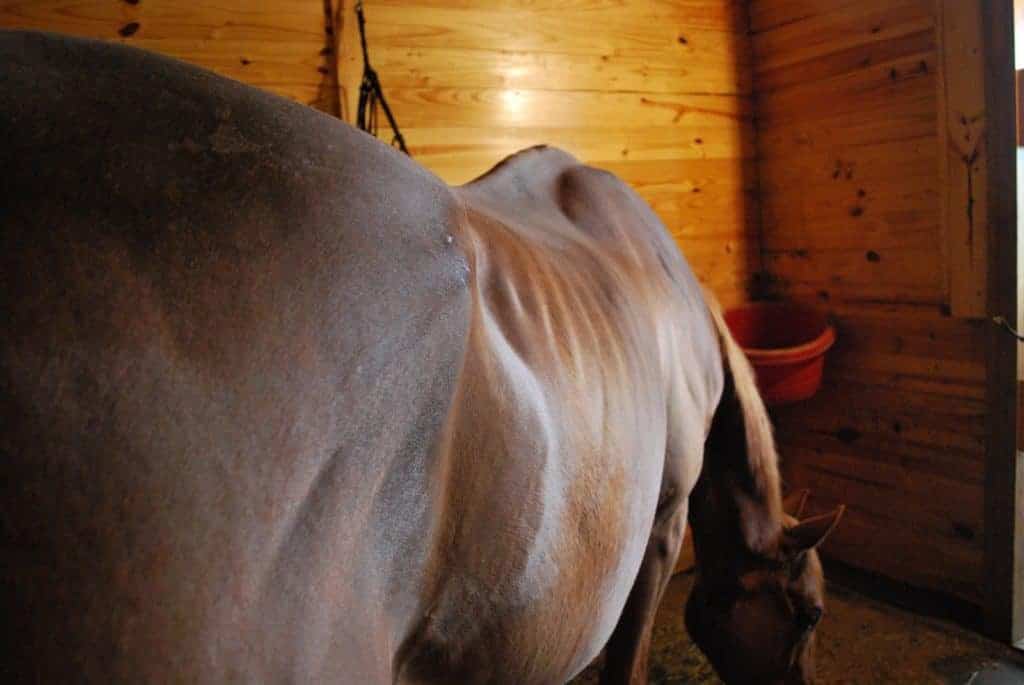
Health conditions, management changes, and palate preferences can affect a horse’s appetite.

Equine nutritionists share details about how your horse’s feed is made and what quality controls are in place to ensure he’s consuming a safe product.

These feeds are designed to boost horses’ calorie intake and meet additional nutrient needs that increase with work.