Mineral of the Month: Zinc
Zinc-deficient horses can exhibit reduced growth rates, inappetence, and skin abnormalities, among other issues.

Zinc-deficient horses can exhibit reduced growth rates, inappetence, and skin abnormalities, among other issues.

On average it took horses about 30% longer to eat from both slow feeders compared to the ground, researchers found.

Extreme winter weather conditions can make horse care and barn chores challenging. Stay warm with these tips.

Ponies that didn’t receive extra hay adapted to the available food supply, but blood parameters suggested health problems could develop when the available fodder is insufficient.

Listen to audio features on equine learning, behavior, dentistry, metabolic syndrome, parasites, and more.

I used a senior equine feed to help my hard keeper gain weight. Now, should I switch him to a low-NSC product?

Not everyone sees snow fly during the winter months, but horses still have seasonal needs that must be met.

Lean horses actually spent more time than obese ones eating, but both groups consume roughly the same amount of hay.

Ensure you’re providing your senior horse with the support he needs to stay healthy all winter long.

Study results suggest caretakers spend nearly $435 more annually managing obese equids compared to their nonobese ones.

Find a year’s worth of tips to keep your horse healthy in every season.

Dr. Clair Thunes explains how eating hay and the digestion process helps keep horses warm.

How can you make sure your horse is getting the nutrition he needs during the cold months? Ask our equine nutritionist!

A nutritionist can tell you if you’re over- or underfeeding or supplementing and address other equine diet concerns.
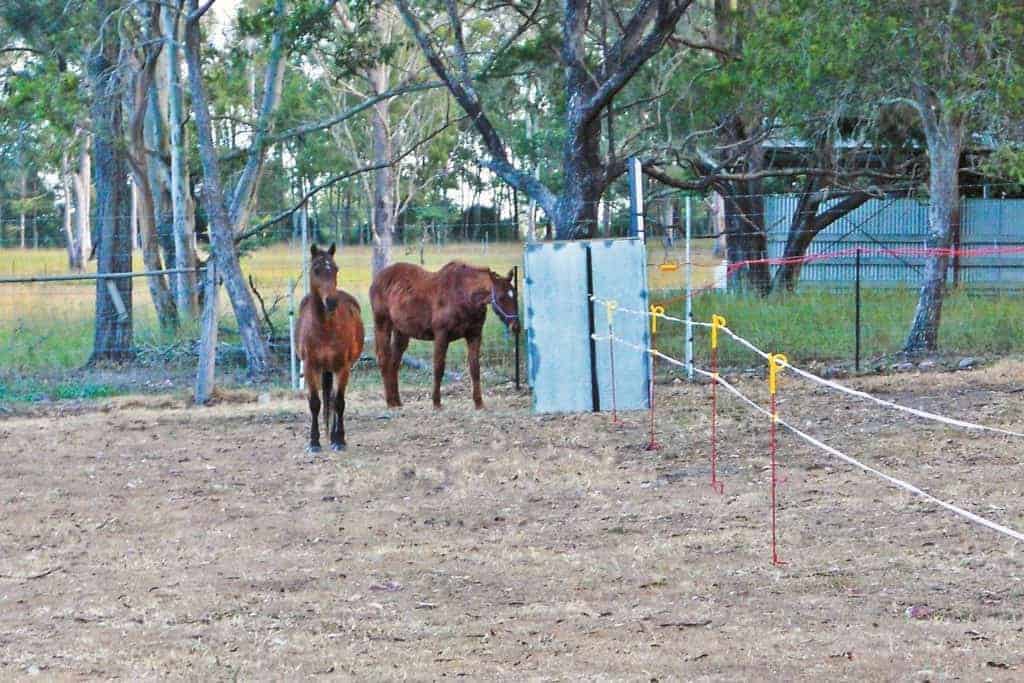
Researchers found that some ponies are willing to exercise themselves … as long as there’s food involved.
Owners of horses with medical problems reported “good” results following nutritional consultation in 92% cases.