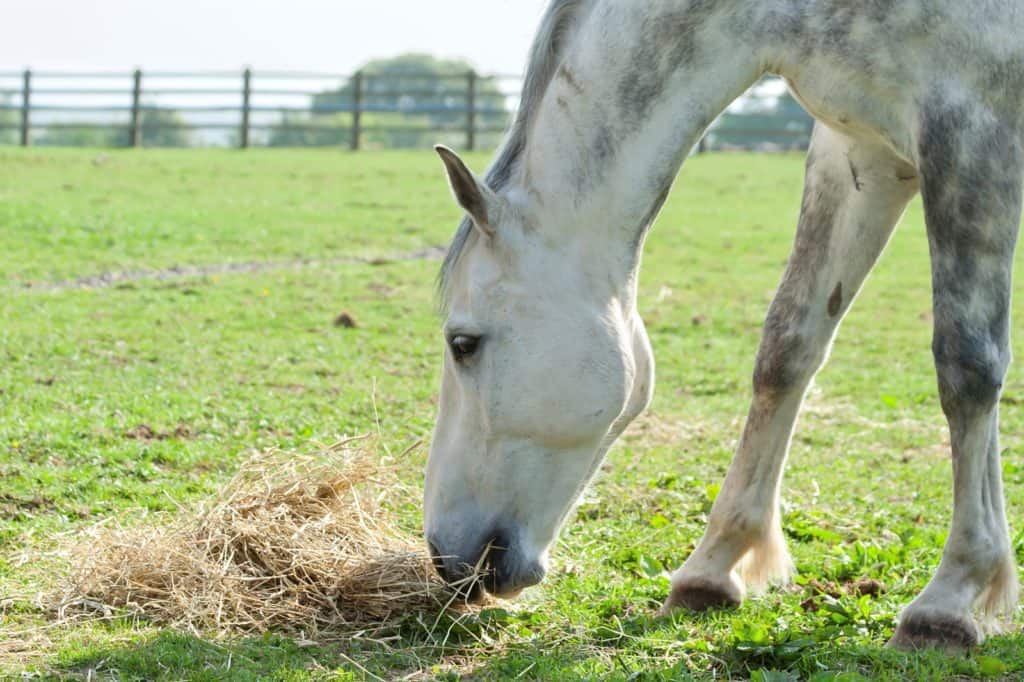
Mineral Nutrition and the Equine Athlete
These micronutrients found in forage, feeds, and supplements help support the athletic horse’s health.

These micronutrients found in forage, feeds, and supplements help support the athletic horse’s health.

The event is designed to teach owners how nutrition can affect their horses’ health and longevity.

More than half of the 929 poll respondents said they have used slow feed haynets for their horses.

Dr. Shannon Pratt-Phillips surveyed elite show jumper owners/managers about their horse’s diets. Here’s what she found.

Certain strains of fungi found in moldy fodder can cause serious problems in both horses and handlers, scientists found.

No doubt about it, horse ownership is a big responsibility. Here’s a look at the basics of what every horse needs.

This legume is one of the most in-demand species for hay production in the United States.

More than 50% of respondents said they feed grain, concentrates, complete feeds, or supplements twice each day.
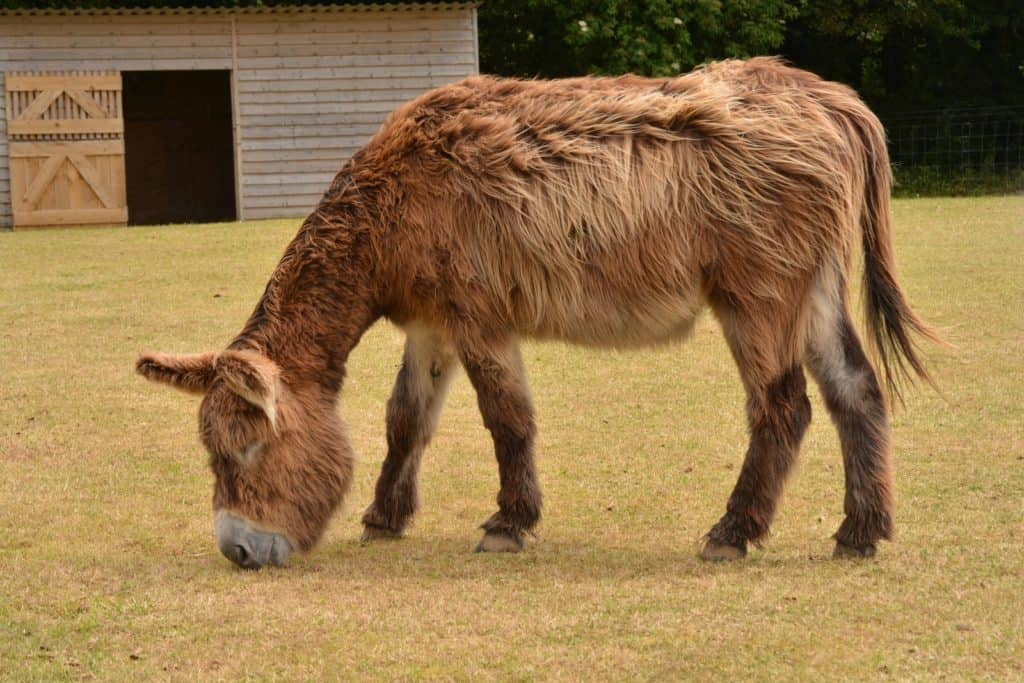
Donkeys aren’t horses, and nowhere is that more apparent than in their feed needs. Find out what your donkey should eat.

Check all these tasks off your list as you transition your horse into the spring riding season.
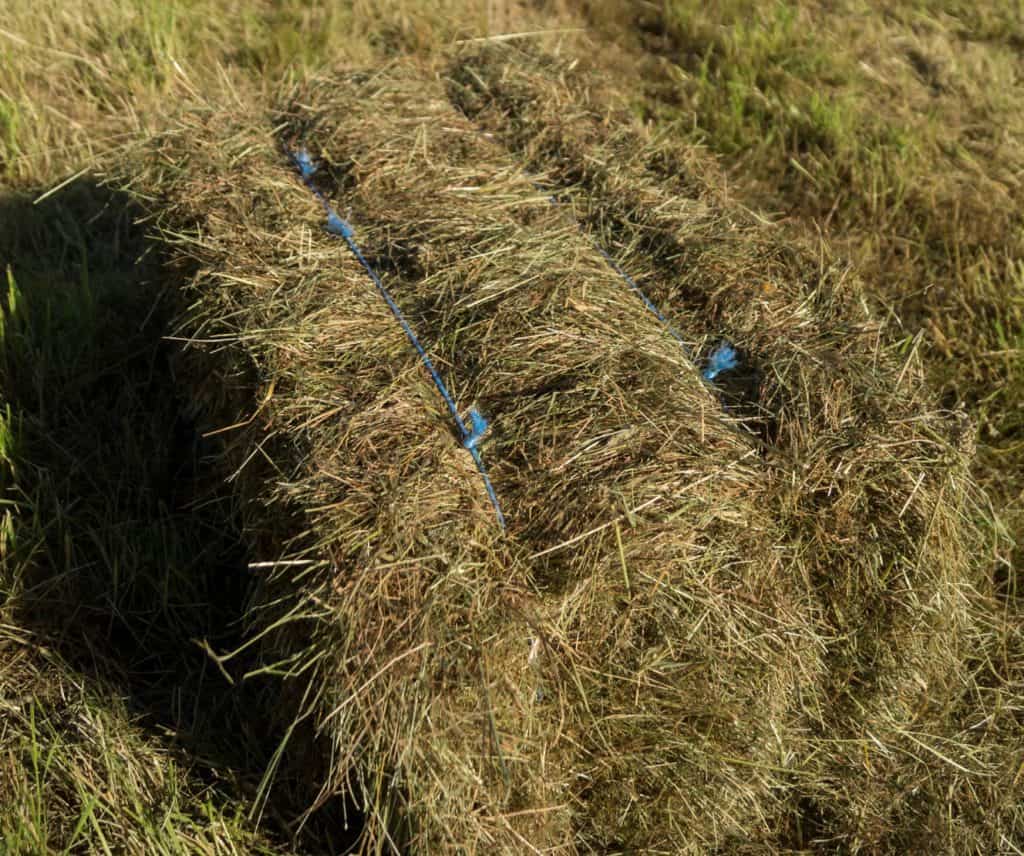
It’s important for your horse to have good-quality hay, but how do you choose it? Start with these tips.
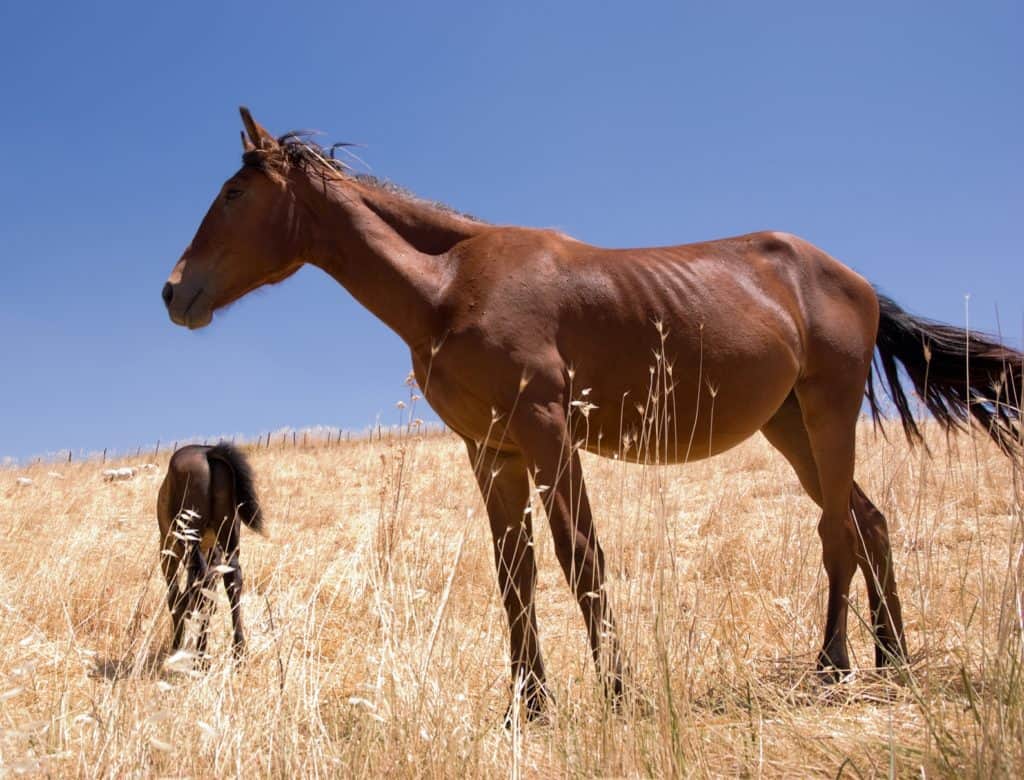
It’s nearly impossible to separate simple malnutrition from the presence of other diseases, one veterinarian said.

Learn what your horse needs in his diet and exercise program to help develop a well-muscled topline.
Asthmatic horses’ clinical signs worsened when temperature and humidity increased suddenly, researchers found.

Learn how to alter senior horses’ diets to maximize health and longevity in the face of common health issues.
Lecture topics include nutrition, PPID, parasitology, back pain, toxic plants, natural foot care, and dentistry.