What’s Lurking in Your Horse’s Forage?
From toxins and molds to opossum droppings and animal carcasses, forage can contain a variety of harmful contaminants.

From toxins and molds to opossum droppings and animal carcasses, forage can contain a variety of harmful contaminants.

A recent survey suggests that many horse owners have a poor understanding of equine nutrition.
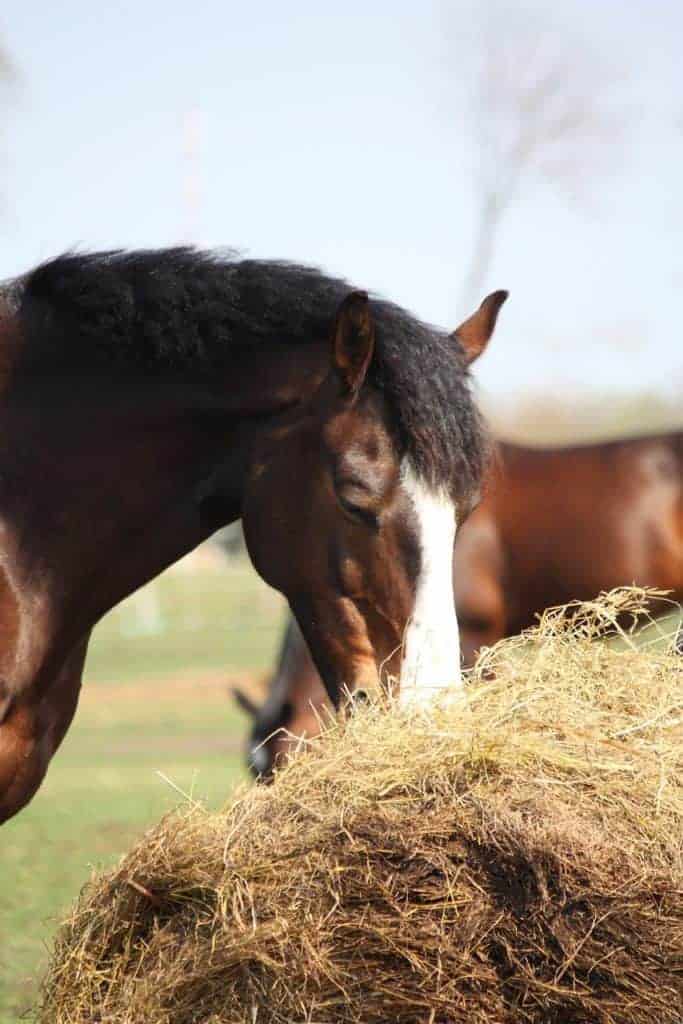
My stallion ate a piece of netting off a roll of hay. Will it pass through his system?

Growing horses require specific nutrients, vitamins, and minerals to aid in proper development.

Here’s how to help your horse make the switch from pasture to hay as easy and healthy as possible.

Moldy hay can can contribute to several respiratory problems in horses, the most important of which is heaves.

Here’s what to monitor in order to keep your hay supply and the structures it’s stored in safe.

Learn about the 21 amino acids that form proteins in your horse’s body and why they’re crucial to his health.

Testing confirmed cantharidin in a single load of hay. The contamination has been linked to the deaths of six horses.

Being prepared in advance can help horse owners handle this scary situation as well as possible.
Five horses that ate the alfalfa hay, which contained blister beetles, have died.

Care for horses under the age of 4 with their future health and performance in mind.

Here’s what you need to know about this important forage in your horse’s diet.
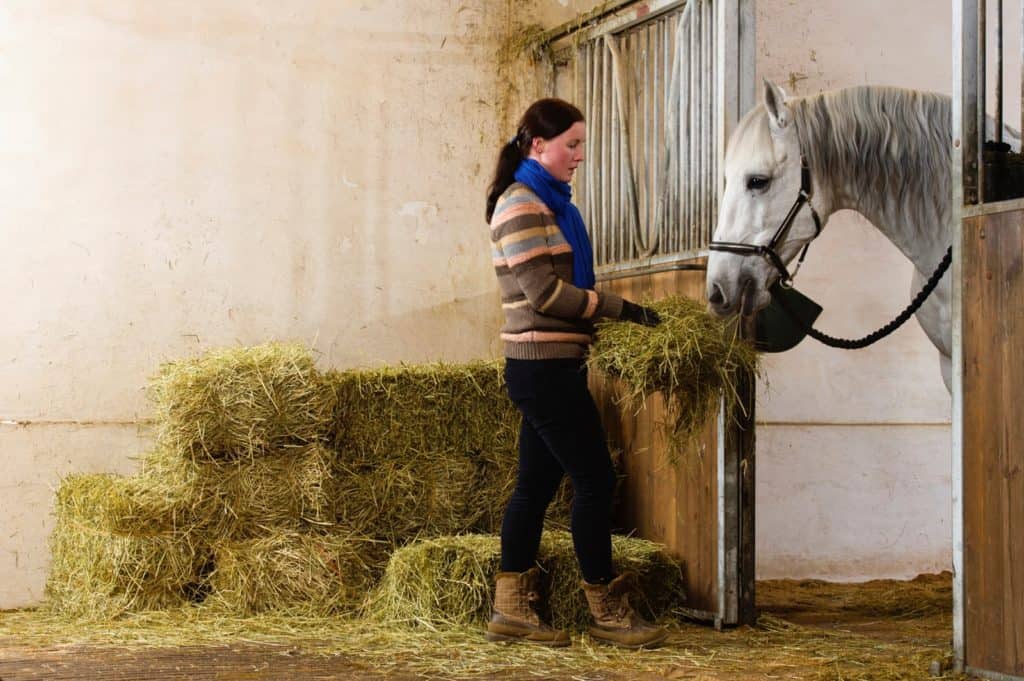
Basing a horse’s diet on forage allows him to function as evolution and nature intended. Here’s where to start.
Prince’s research could ultimately help owners better manage horses that require low- or high-carbohydrate diets.
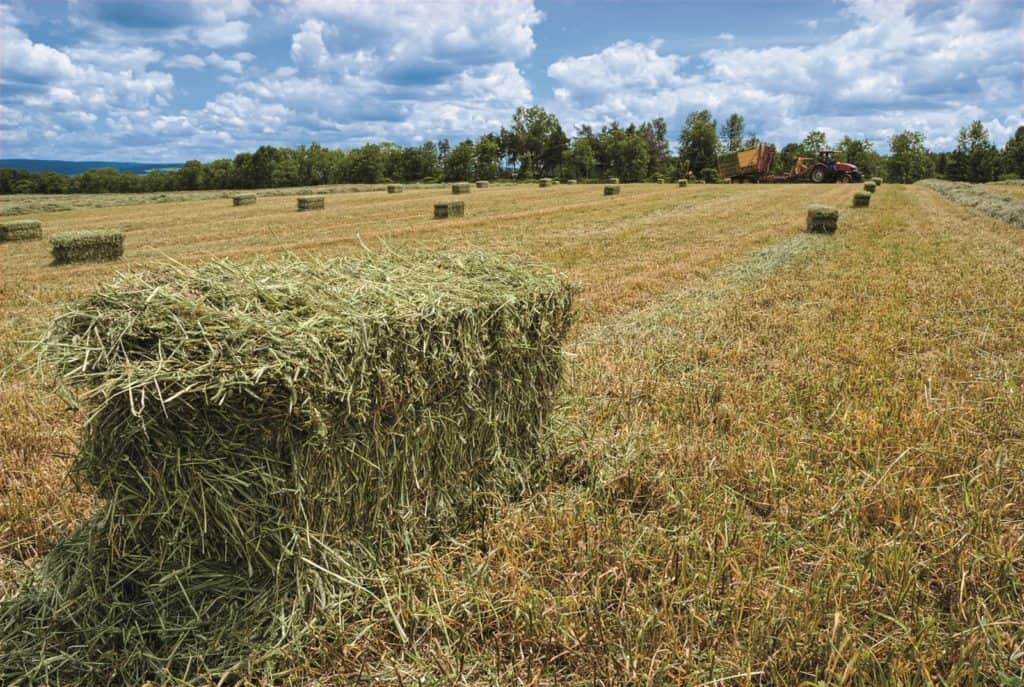
Lecture topics will include forage types, efficient forage use, hay production and quality, and more.