Gastric Ulcers: Common in Performance Horses and Foals
About 90% of performance horses and 25 to 50% of foals have ulcers. Here’s what to watch for and how to prevent them.

About 90% of performance horses and 25 to 50% of foals have ulcers. Here’s what to watch for and how to prevent them.
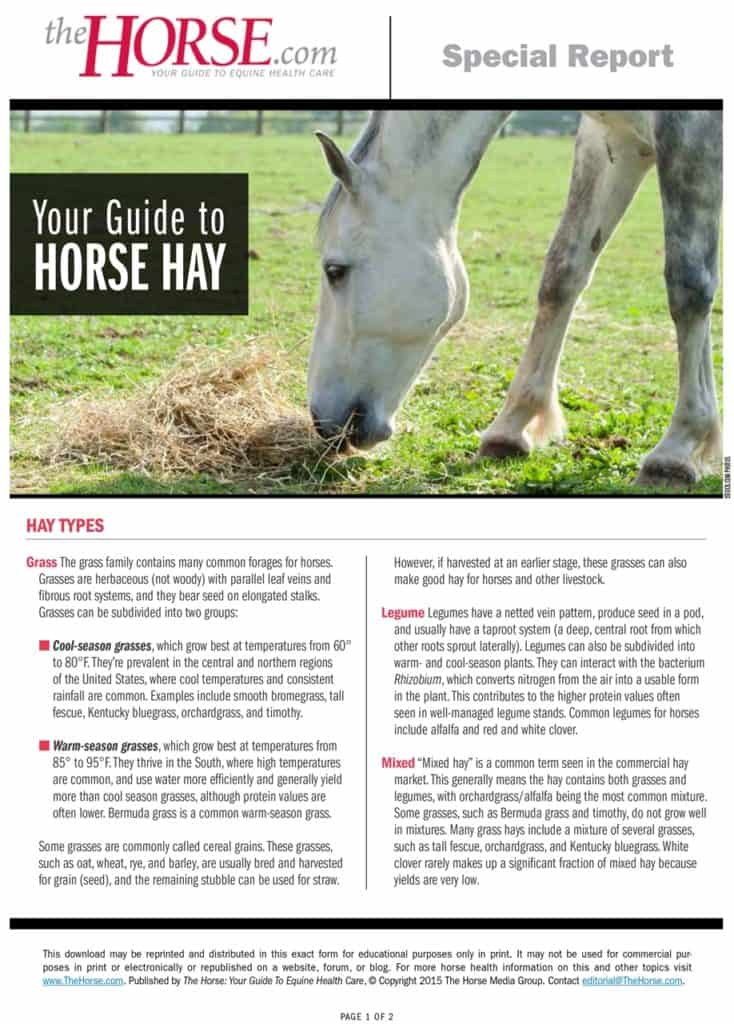
Do you know your grass hay from your legumes? And which kinds of hay offer the best nutrition for your horse? Learn about different types of horse hay in our exclusive special report.

Here are some tips to remember to help your horse stay happy and healthy when consuming this spring’s lush pasture.

Many owners have implemented water conservation practices at their facilities. Here’s how they’re faring.

Here’s how to ensure your horse receives ample nutrition and stays healthy while grazing spring pasture.

Drought conditions pose unique health care and management challenges for horse owners. Here’s what you need to know.
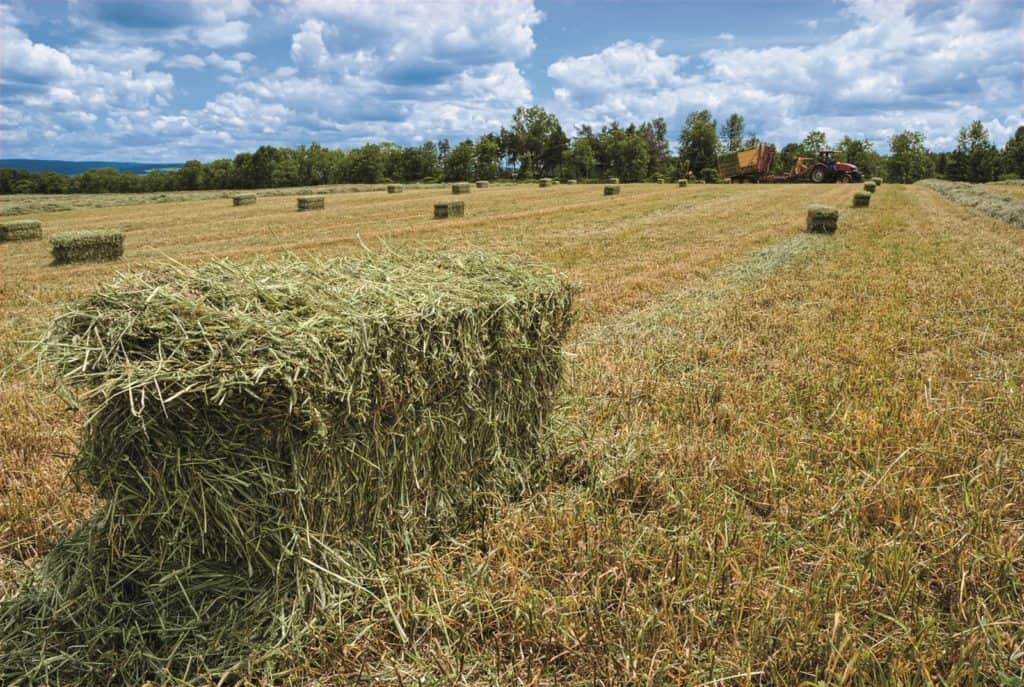
The Thoroughbred Retirement Foundation expects its hay costs in 2015 to exceed $220,000.
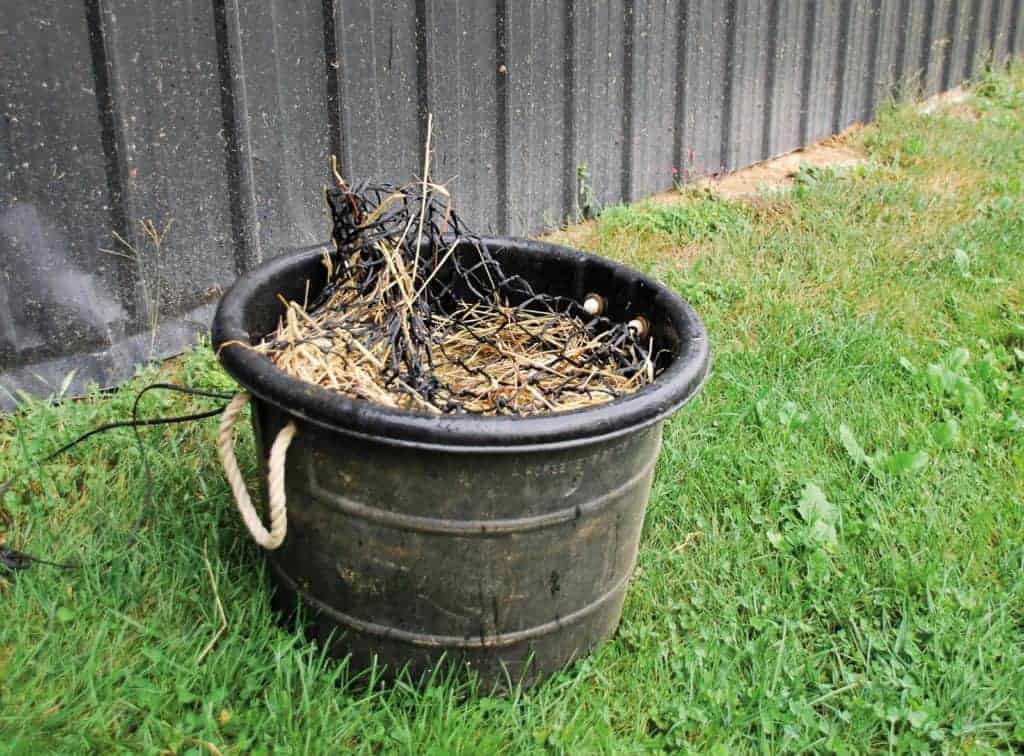
In some cases, hay needs to be modified slightly to decrease the soluble sugars to maximize the hay’s benefits. Here’s what you need to know.

Here’s how to feed your hard keeper once temperatures start rising.
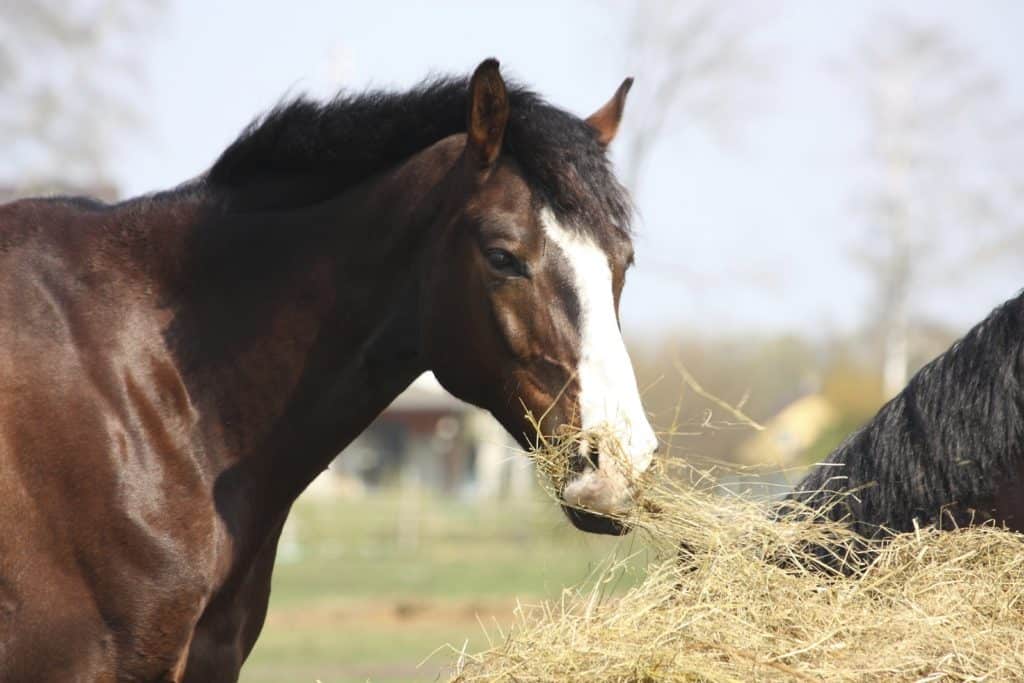
Researchers recently determined that some standard laboratory and commercial allergy tests for horses are not reliable.

Researchers recently evaluated how well the horse industry uses the available resources to improve feeding practices.

Studies show that quality forage is the healthiest diet option for horses. Learn about selecting hay, growing pasture, and choosing the right forage for your horse.

Learn about different kinds of grass, variety selection, establishing new grasses, and grazing tolerance.

Dr. Nancy Loving and Horses for Clean Water’s Alayne Blickle share safety tips for free feeding horses during the winter.
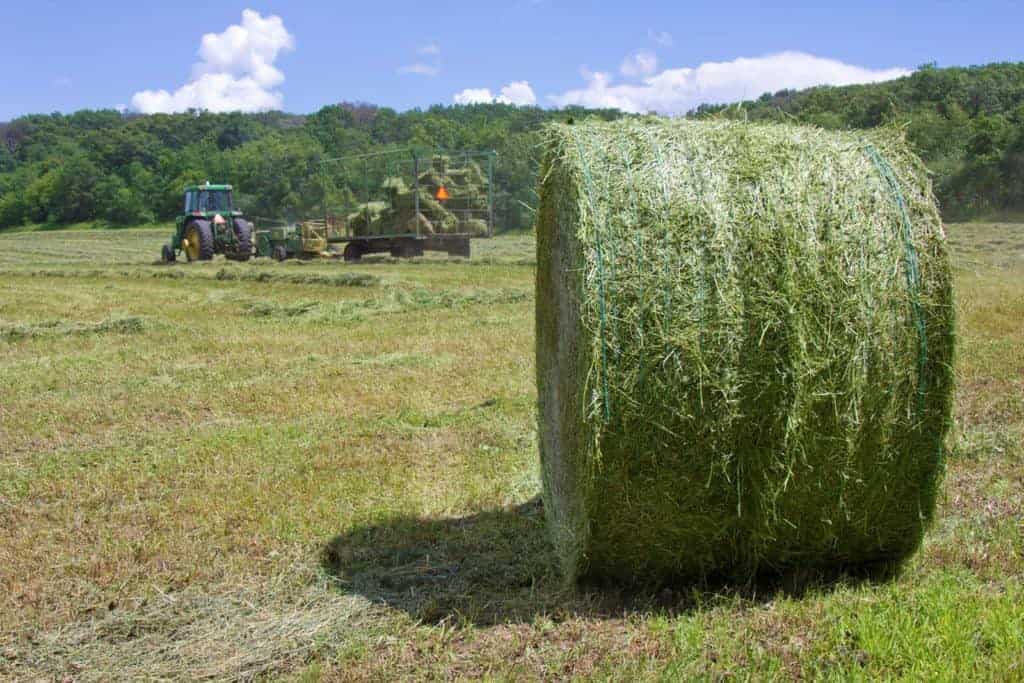
Discussion topics include alfalfa and the environment, perspectives about hay quality, and more.
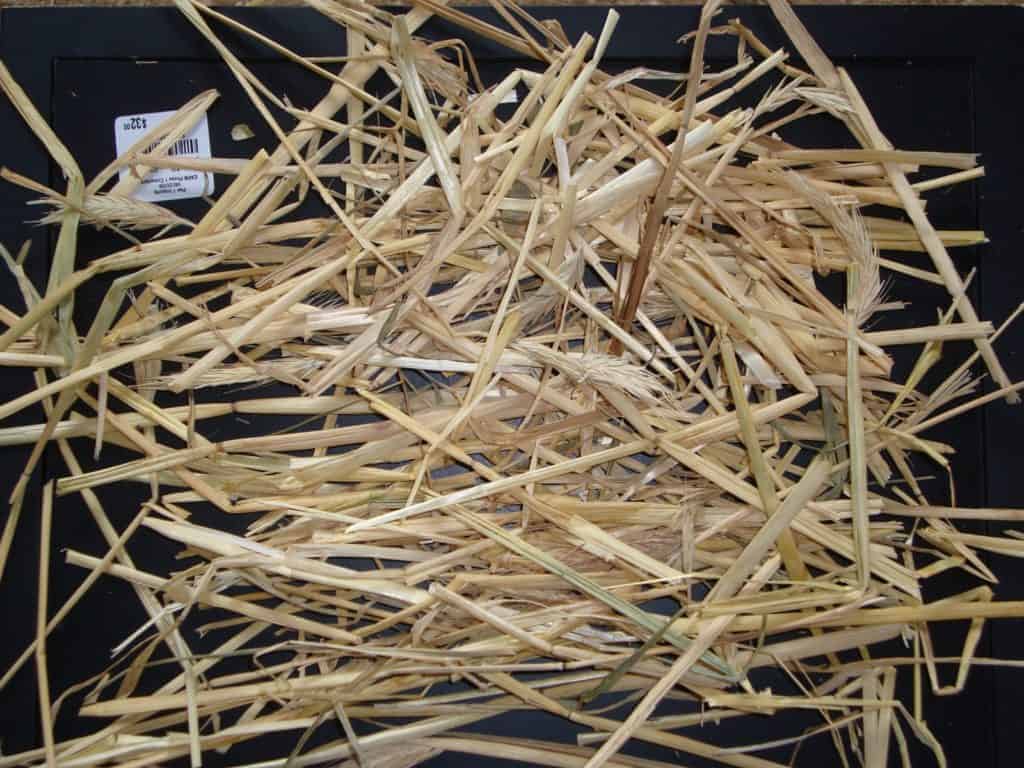
Industry professionals believe awns in rye straw, lip ulcers, and infection could be behind the horse’s sudden death.