Hay: To Soak or Not to Soak?
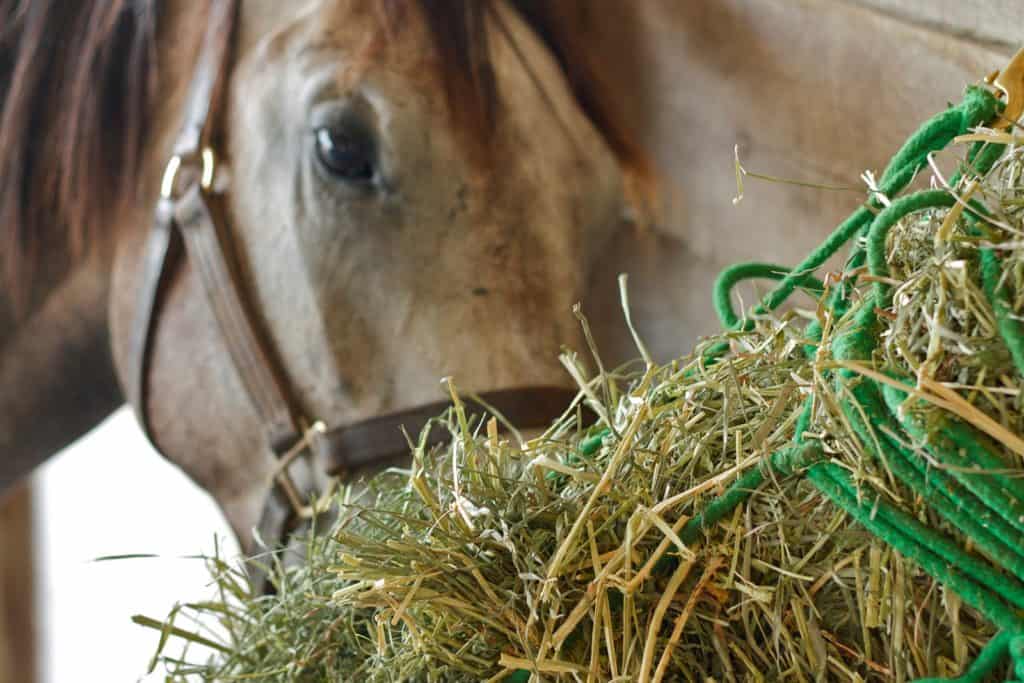
Soaking hay provides owners with the ability to alter some physical characteristics as well as the nutrient content of their hay if purchasing the ideal hay is not a feasible option.

Soaking hay provides owners with the ability to alter some physical characteristics as well as the nutrient content of their hay if purchasing the ideal hay is not a feasible option.

Does feeding a large amount of hay to a group of horses on winter pasture affect their digestion and health?

Carol Clark, DVM, Dipl. ACVIM, shares her picks for the top equine medicine studies of 2013.

Understanding the horse’s digestion process can help you better manage factors that could cause colic.

Get tips from a veterinarian on keeping horses healthy and safe during the cold days of winter.

Presentation topics will include body condition scoring, feeding Cushingoid horses, hay, and more.

With freezing temperatures comes the need for extra care and attention for horses and other equids.

Maintaining a healthy weight and diet is just as important for our horses as it is for us.
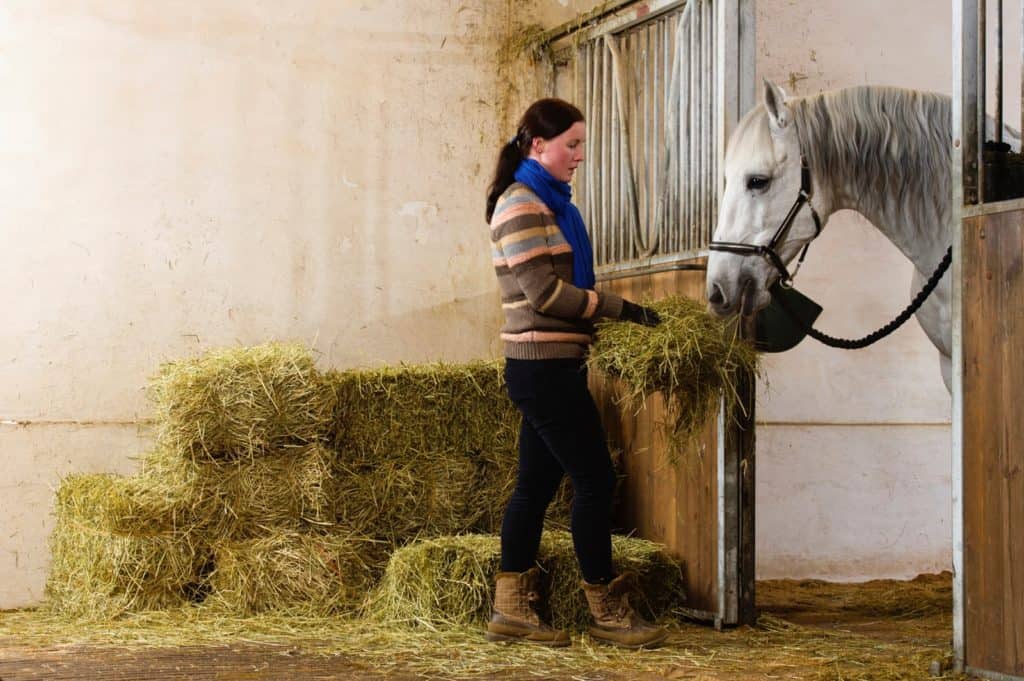
Researchers found that steaming appears to increase horses’ consumption of good-quality hay.

Taking preventative measures though diet and exercise are the best defenses against EMS development.

Hay replacers can be extremely useful, but they come with some guidelines to keep horses happy and healthy.

Of the 1,473 voters, 684 (46%) said that they feed their horses hay on the ground or do not use a hay feeder.

Feeding hay before grains appeared to reduce the intensity of cribbing episodes in a recent study.
The help horse owners more precisely plan hay purchases and evaluate horses’ body weight.
Sessions on hay production and equine parasite control recommendations will be offered.