Feed Choices Can Mean Cost Savings for Horse Owners
Feed choices are good places to start when trimming expenses without sacrificing the horses’ care quality.

Feed choices are good places to start when trimming expenses without sacrificing the horses’ care quality.

Horse owners can take simple steps to help keep their animals’ GI systems functioning optimally.
Discussion topics will include techniques for evaluating hay, forage alternative options, and more.

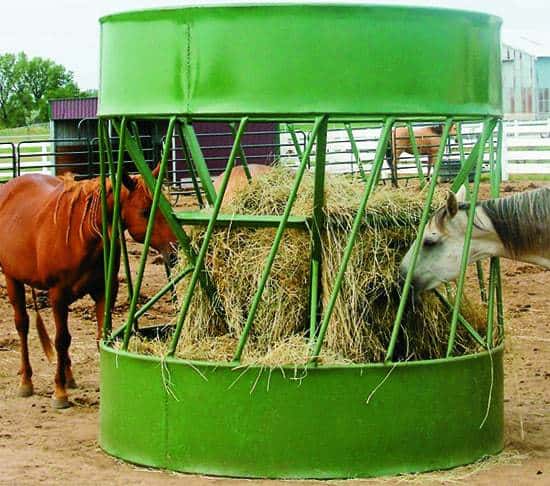
Learn about the potential benefits of soaking your horse’s hay, methods for soaking, and what to do with the remaining liquid (hint: don’t use it to water plants) in this information packed fact sheet.
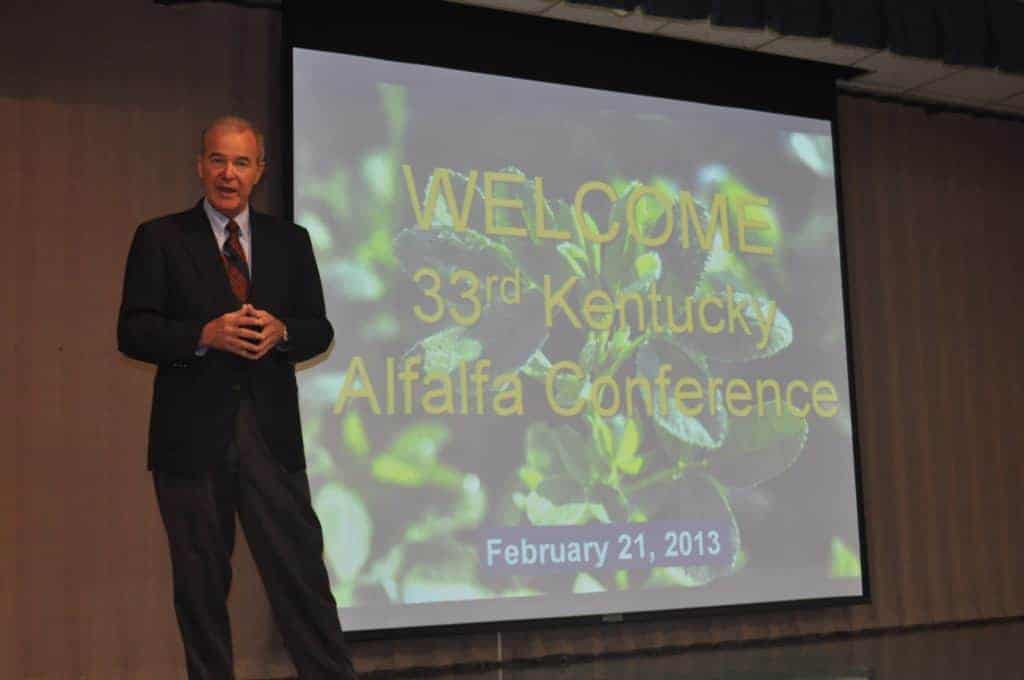
This year?s conference focused on hay production for the horse and other high-quality markets.
Due to the 2012 drought, some owners are having difficulties finding feed sources for their horses.
The fifth annual “Haydrive” campaign will help fund hay costs for the TRF’s 950 retired racehorses.

Ergovaline levels over 200 ppb (parts per billion) in mature hay can cause fescue toxicity in pregnant mares.
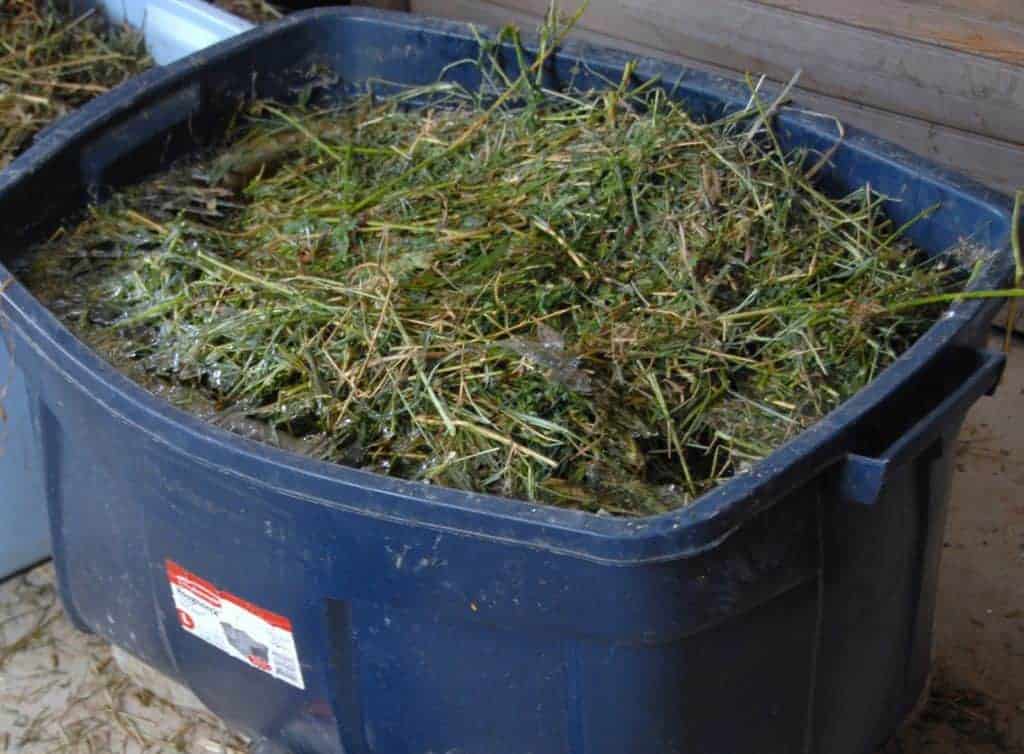
Soaking hay can cause protein and mineral loss, depending on the time submerged and water temperature.
Researchers found that high-energy forage diets provided adequate nutrition for young horses in training.

Consider the following “wishes” equine experts made to help maximize your horses’ quality of life.

Making diet changes slowly, ensuring water intake, and keeping horses moving can help reduce colic risk.

Equine nutrition, hydration, exercise, blanketing, and respiratory health can be concerns as temperatures dip.

Researchers observed noticeable lameness in horses consuming high levels of endophyte-infected seeds and hay.

Horses showed a clear preference for alfalfa compared to the other types of hay offered.
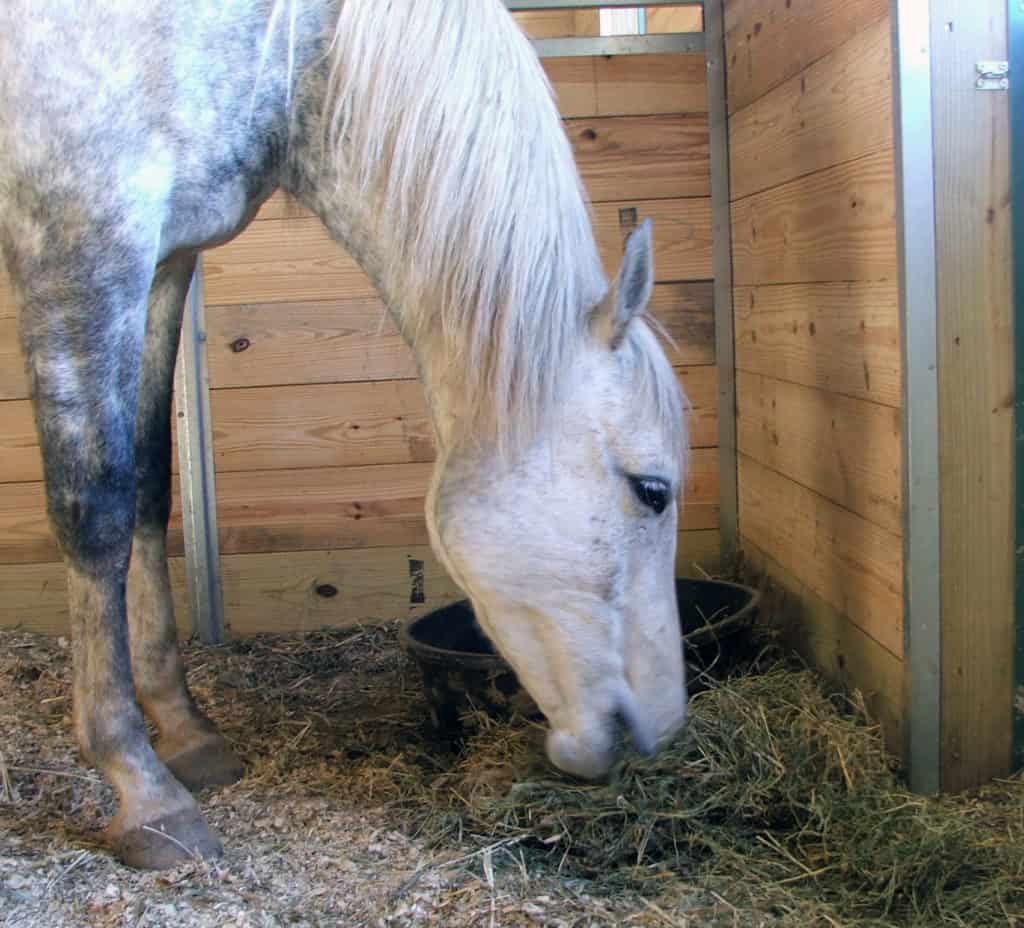
Forage-only diets provide horses with more physically effective fiber than hay-and-concentrate diets.