New Year’s Resolutions for Maximizing Horse Health in 2015
Here are five ways to help your horse stay healthy and happy through the new year.

Here are five ways to help your horse stay healthy and happy through the new year.

Some parts of the country are bracing for a cold start to 2015. Here are a few winter horse care tips to remember.
The conferences are designed to show attendees how forage management can make a difference in a farm’s bottom line.
Using a hay feeder produces less waste and will save horse owners money in the long run, researchers say.
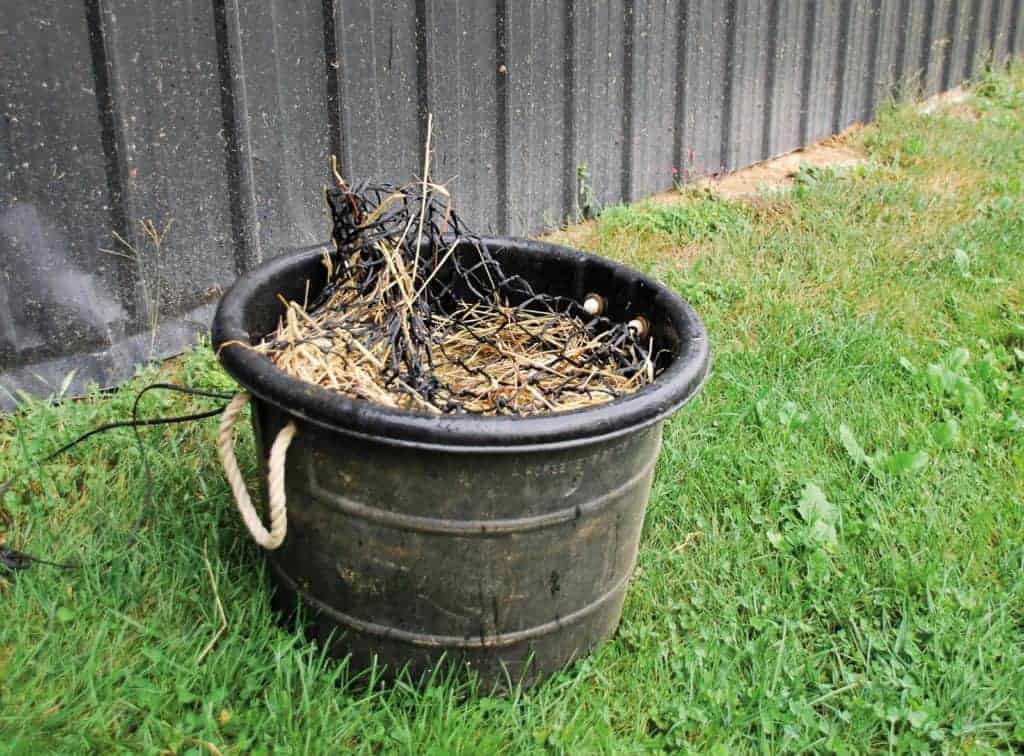
Of the 755 respondents, 584 (77%) said they do not soak their horses’ hay.

Equine metabolic syndrome doesn’t just cause equids’ girths to expand; it can also lead to other health conditions.

Prepare for drought long before pastures wither and hay supplies dwindle.

Dr. Clair Thunes explains why measuring feed by weight rather than volume is important for horse health.

Equine nutrition consultant Dr. Clair Thunes explains how hay analysis can help you provide your horse a balanced diet.
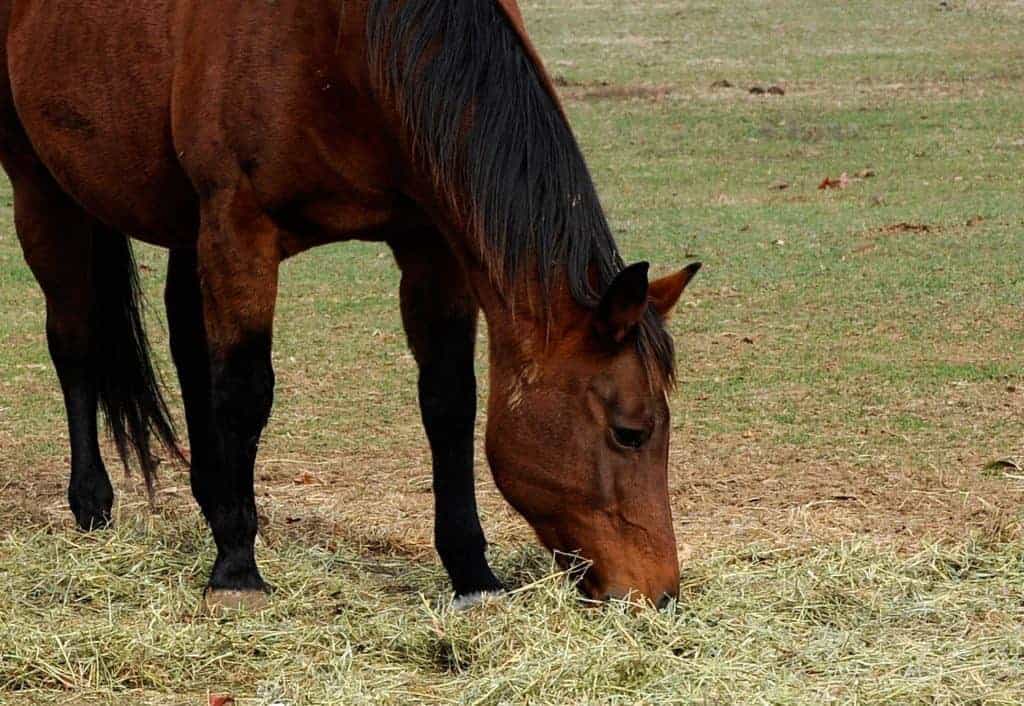
Find out how supplements can help provide your horse important trace minerals that might be lacking in hay.

Now is the optimal time for Kentucky forage producers to cut hay to ensure they get good quality and yield.

These harmful toxins produced by molds and fungi could be lurking in your horse’s feed and forage.

Are you confused about equine nutrition? Learn how to feed your horse in our step-by-step visual guide.

The most common way adult horses contract the disease is by eating feed, such as hay or grain, that contains animal remains.

Download and print these feed and turnout information cards for your horse’s stall or barn!

Blister Beetles naturally contain and secrete a chemical substance called cantharidin, which is extremely toxic to horses. Dr. Sarah Reuss lists the dangers of blister beetles and what horse owners can do to prevent their horse from ingesting them.