Customizing Senior Horse Diets
Appropriate forage, forage alternatives, and/or concentrates can keep aged horses at a healthy body condition.

Appropriate forage, forage alternatives, and/or concentrates can keep aged horses at a healthy body condition.
Lower yields are due to a variety of reasons and depend on the type of hay produced and the producer’s loc

Researchers recently determined which forage-based diet is healthiest for both the horse and the environment.

If a horse eats an adequate diet there might be no need for supplementation without a specific deficiency.
Overfeeding these horses can cause them more harm than good. The best initial feed is often good-quality hay.
Some rescue operators are making hard management choices as feed, hay, and other resources become scarce.
Topics of discussion will include vitamin and mineral supplementation, managing hay, and ration balancing.
The $4,000 grant will be used to buy hay for the organization’s rescued horses.
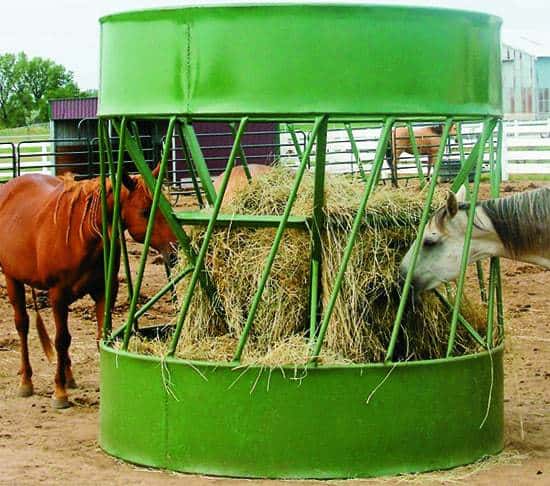
Several round-bale feeders are available, but how well do they prevent hay waste? And are they cost-effective?

Horses need more feed to replace energy loss brought about by harsh conditions as the temperature turn colder.
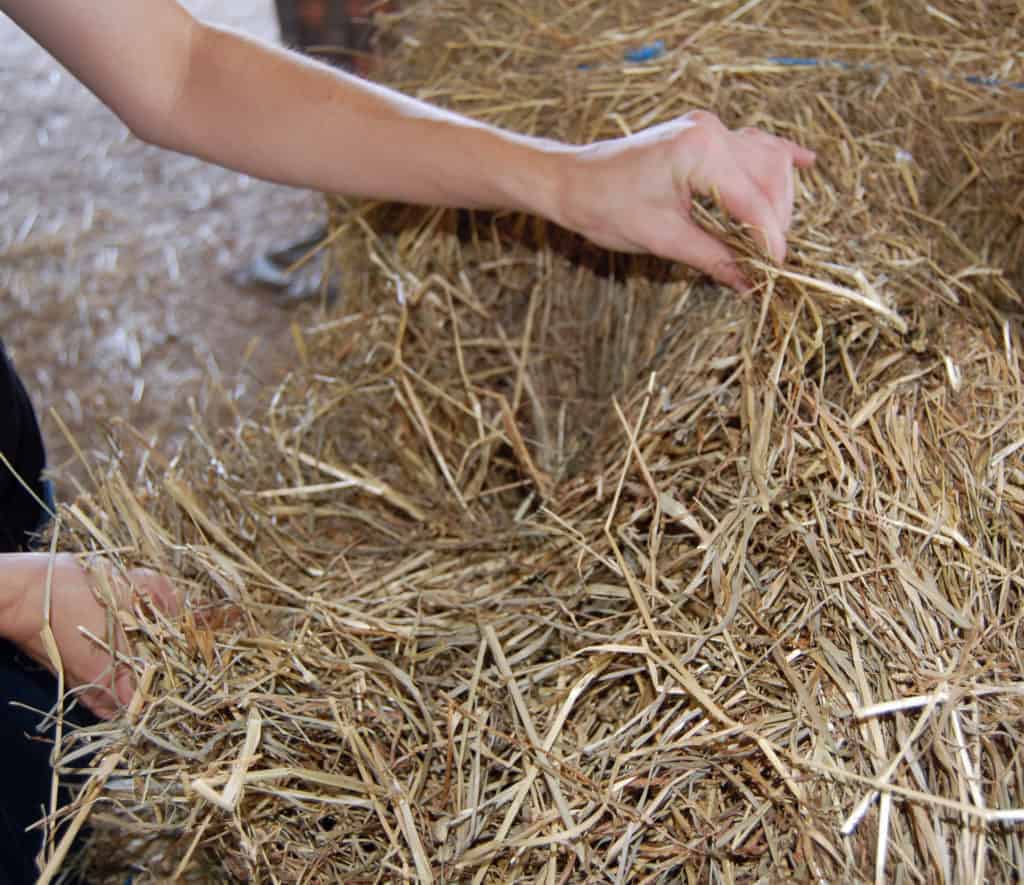
Good-quality hay is an important component of a horse’s diet in the winter when fresh pasture is unavailable.
A better equine feeding system will offer small amounts of grain and forage over many hours.
According to one team of researchers, WSC reduction varies depending on how long the hay is submerged.
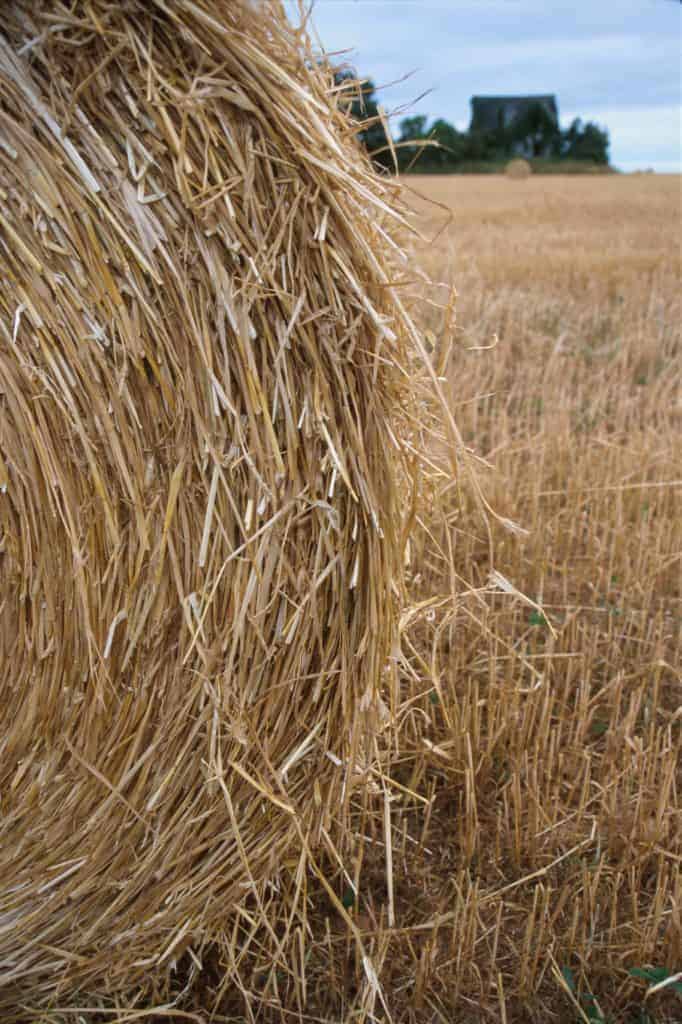
Extreme weather conditions are driving hay prices skyward and stretching owners’ resources in a tough economy.
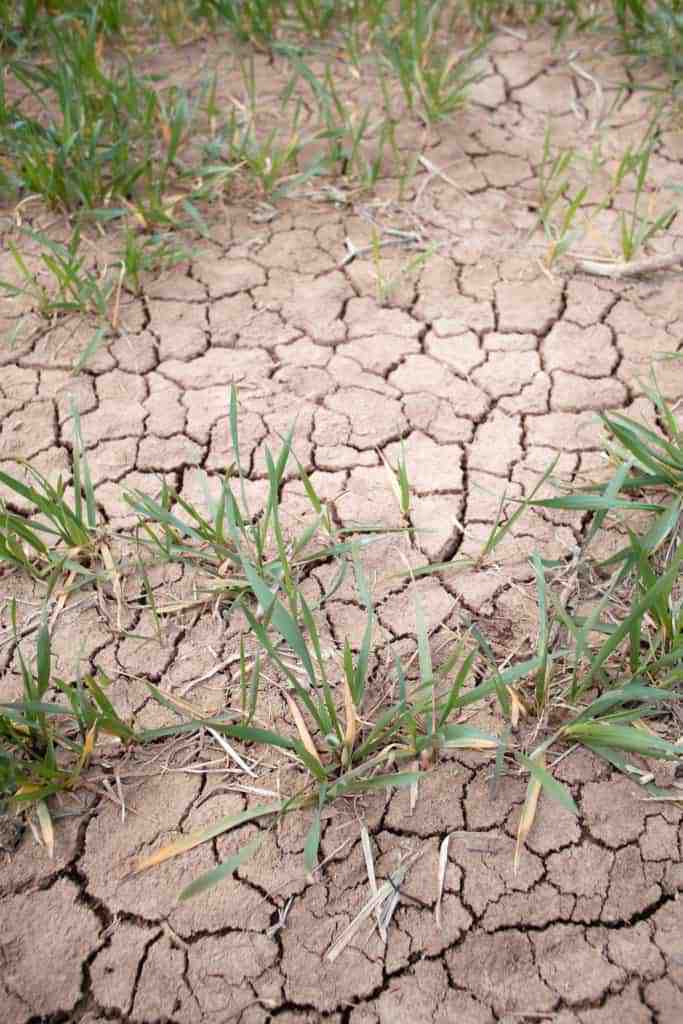
Horse owners in the South are faced with “exceptional” droughts and high hay prices as the drought continues.

Grazing muzzles can be effective at reducing pasture intake, sometimes reducing intake by as much as 85%.