Monitoring Hay Trends
With hay stocks down and prices headed up, what should horse owners do? Be proactive and secure hay now for the rest of this year and early next year.

With hay stocks down and prices headed up, what should horse owners do? Be proactive and secure hay now for the rest of this year and early next year.
The grazing school will take place on Sept. 22 and will cover a variety of pasture and forage related topics.
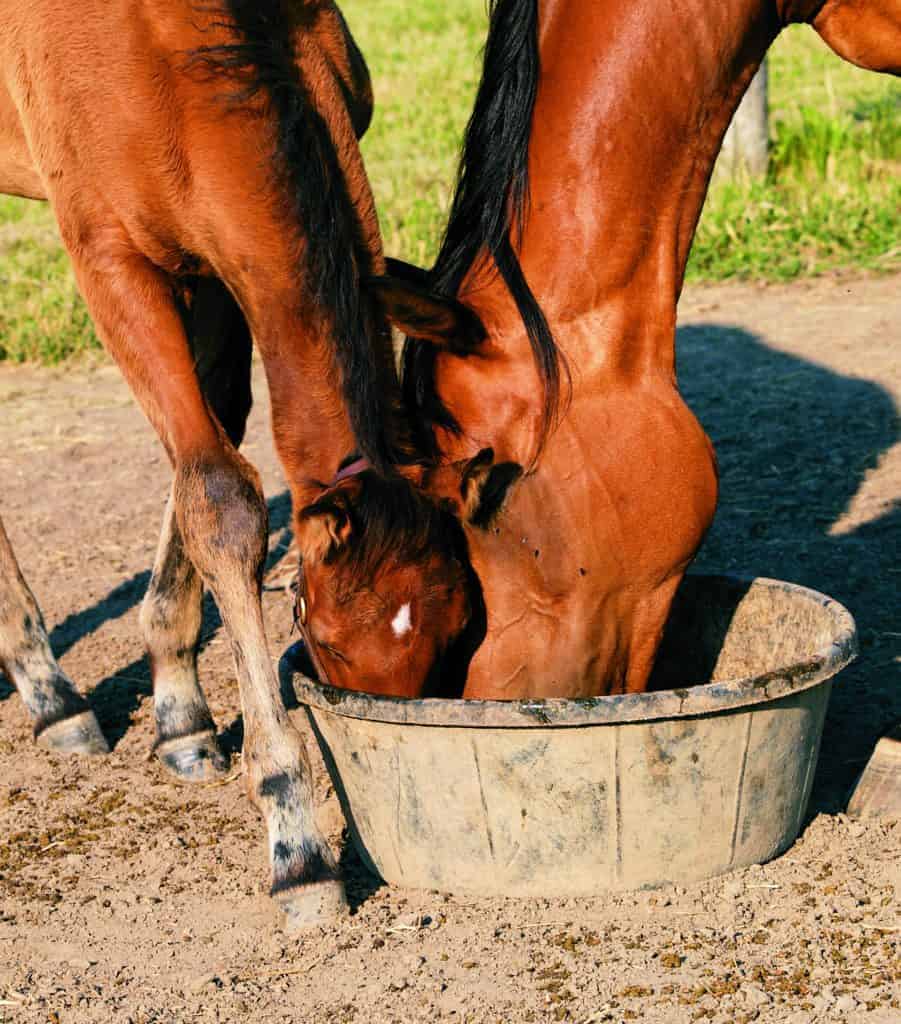
Understanding broodmares’ nutrient requirements can make developing a feeding program a less daunting task.
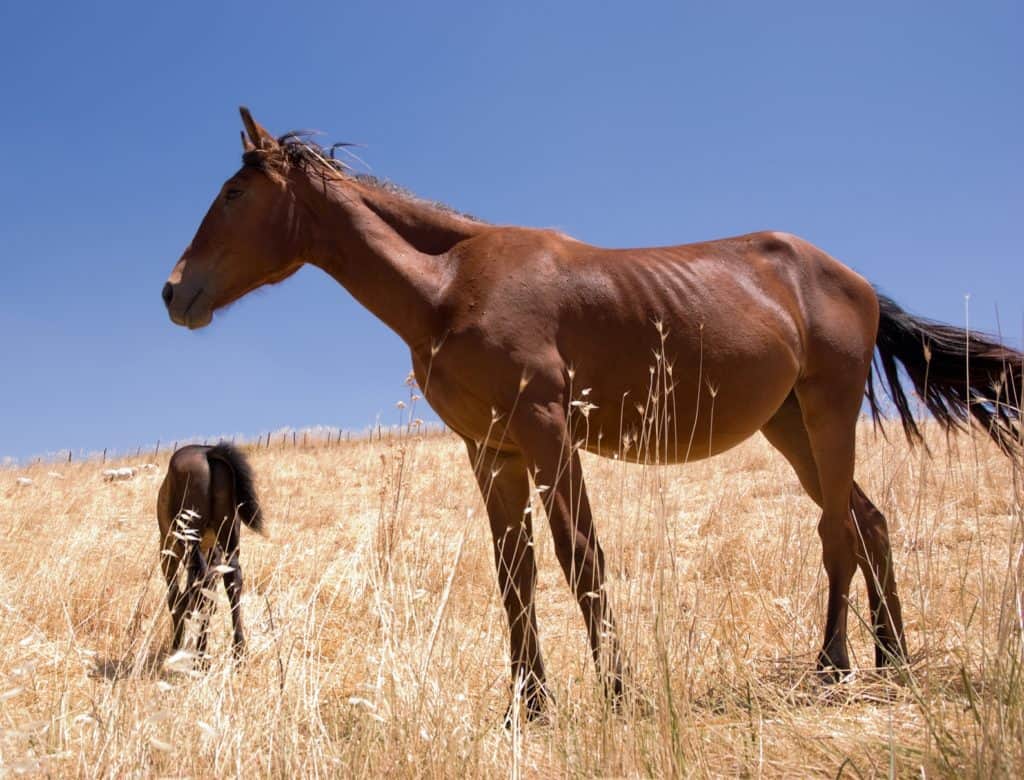
UC Davis researchers found that high-quality alfalfa hay is most effective for rehabilitating a starved horse.
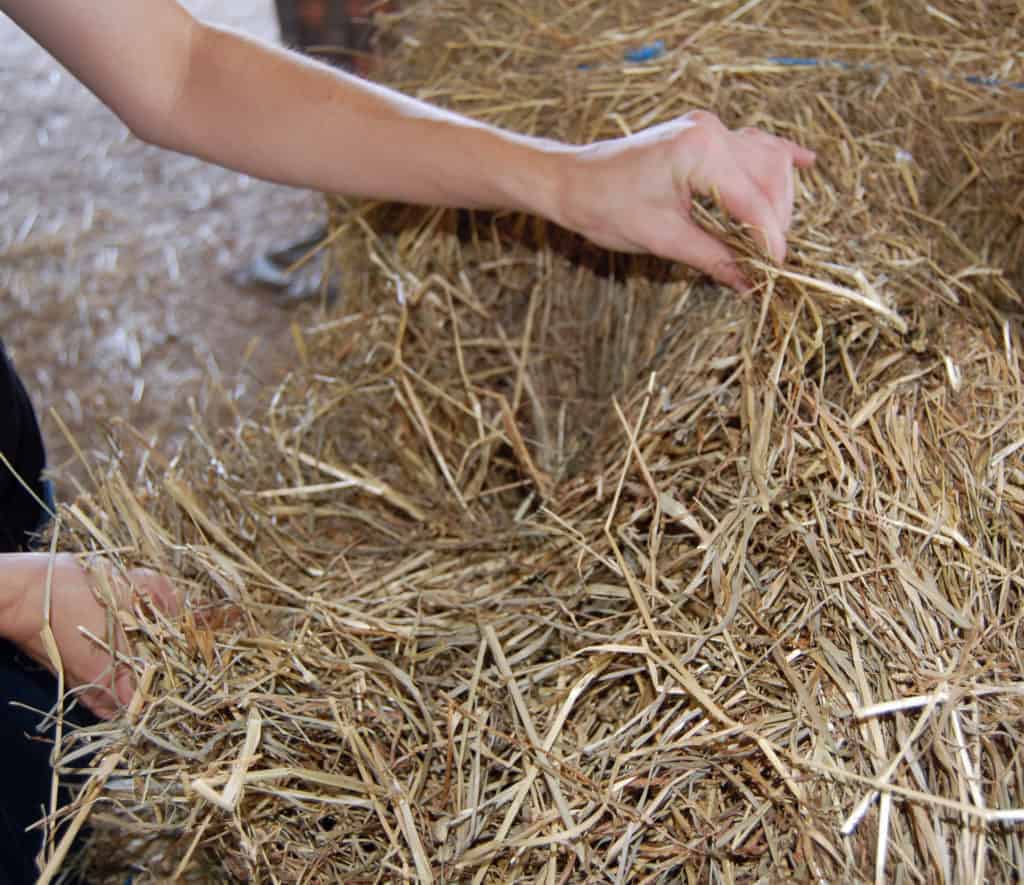
Horse owners might be concerned about the potential for an unsafe feed supply this year due to the drought.

When horses were not given a choice of forage, teff hay intake was no different than timothy hay intake.
Recent study results suggest that forage-only diets could hold benefits for performance horses.
Horse owners in many parts of the United States already deal with concerns of blister beetles in alfalfa hay as part of their everyday regimen.
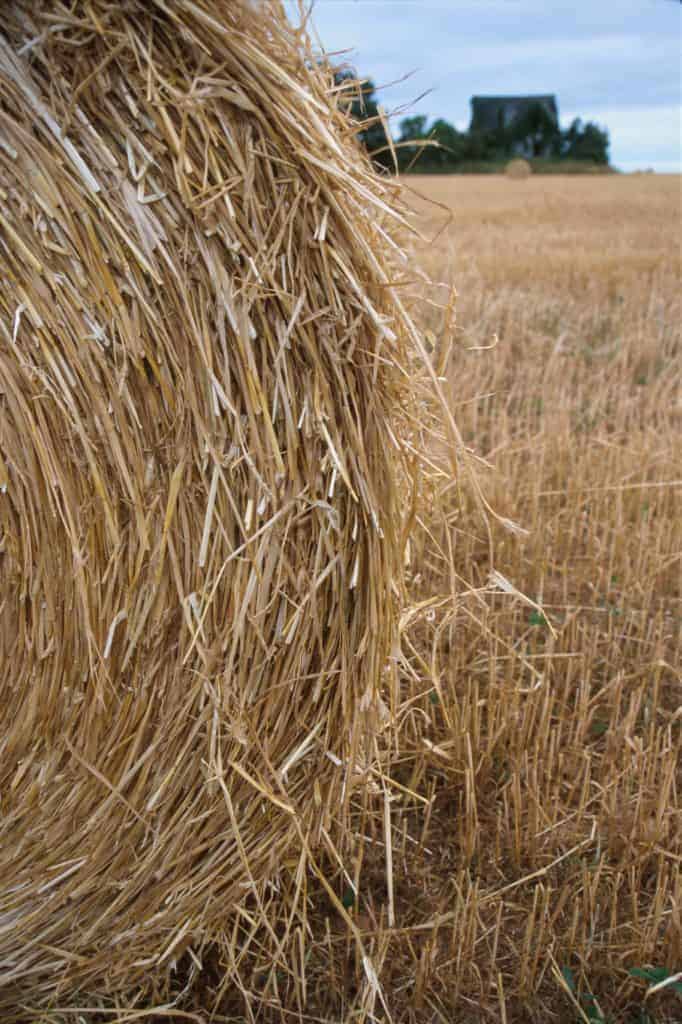
With no end to the drought and heat in sight, owners might have to rethink what they feed their horses.
Nitrate accumulation in forages is a real concern this season due to current drought conditions.

Many horse owners are contemplating hay and feed availability with the persistent heat and ongoing drought.
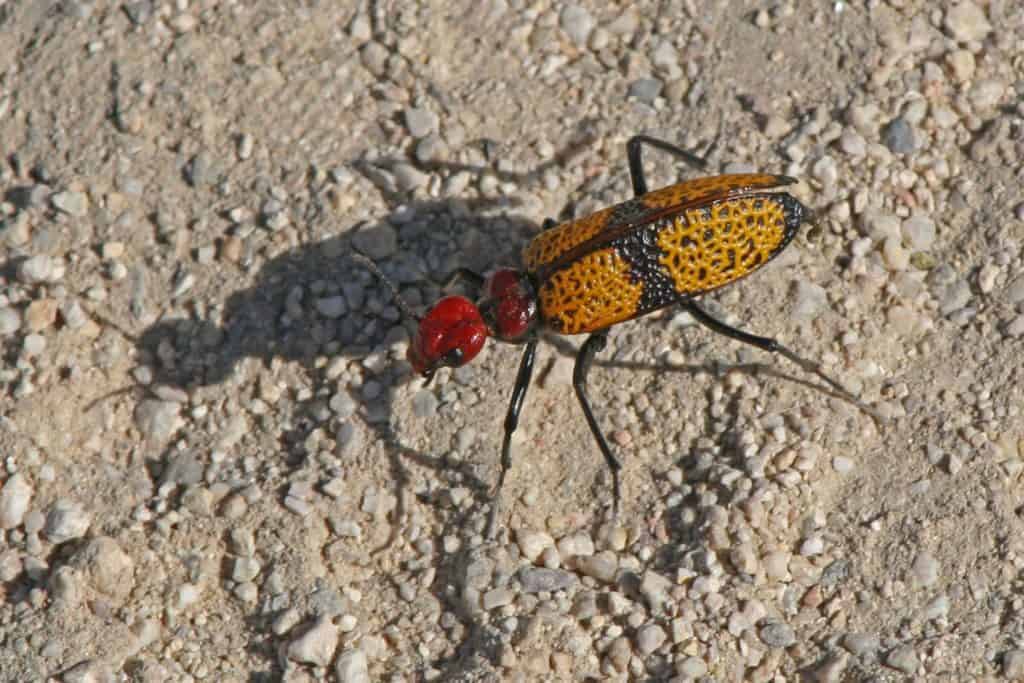
Reports indicate a higher than usual number of blister beetles, which are toxic to horses, in some areas.
Take stock of their pastures and consider other management options, such as providing horses with hay.
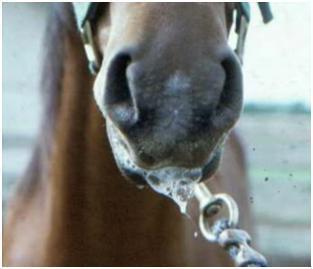
Mycotoxin exposure in horses, caused by feed contaminated with fungi, can be dangerous or fatal.
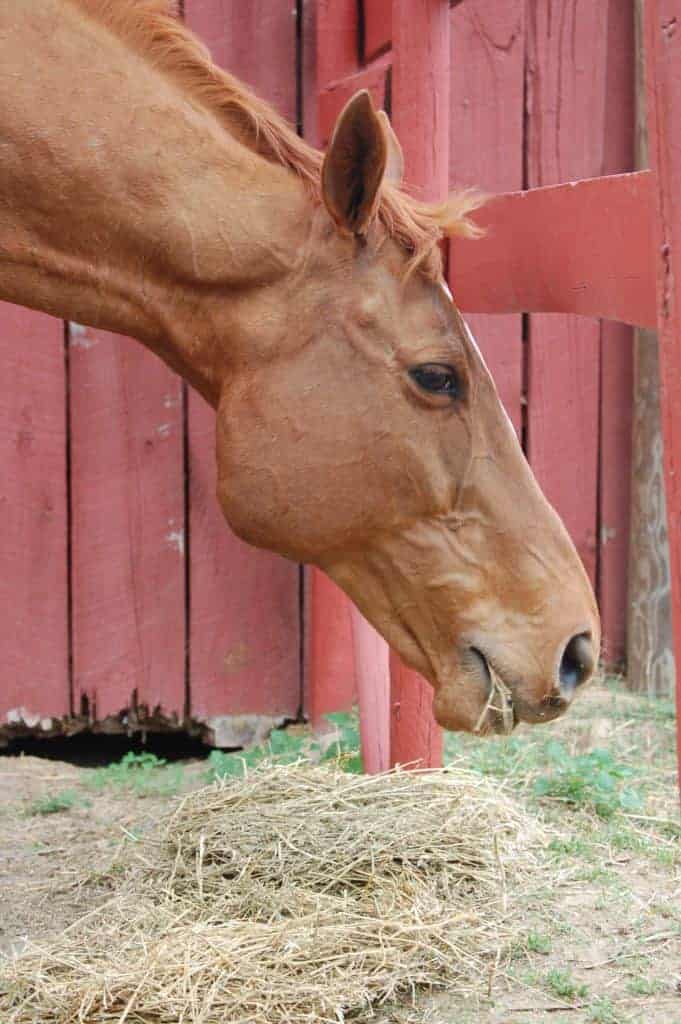
Nutritional choices can either help or hinder a horse’s health problems, diseases, or ailments.
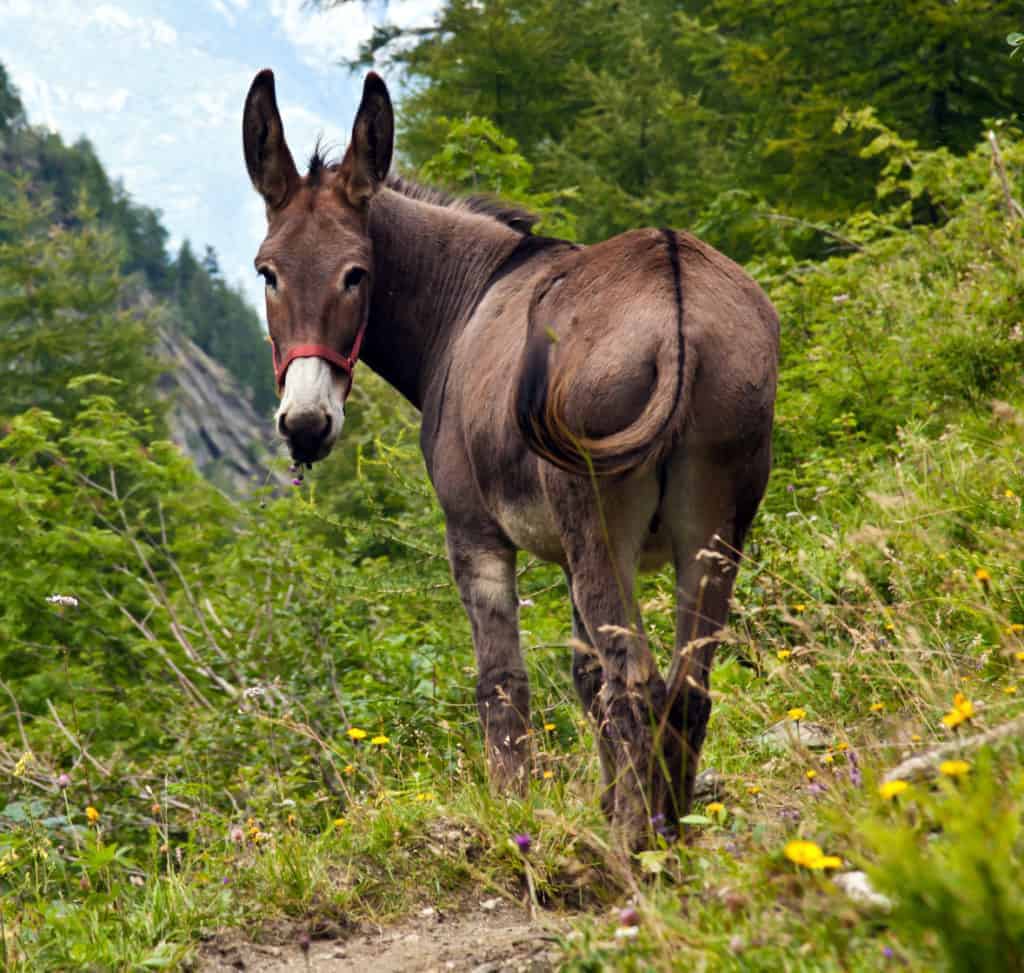
Feeding draft horses, miniature horses, ponies, mules, and donkeys requires special some considerations.