Feeding Horses Post-Colic
Developing an understanding of post-colic feeding practices can help your horse on the road to recovery.

Developing an understanding of post-colic feeding practices can help your horse on the road to recovery.
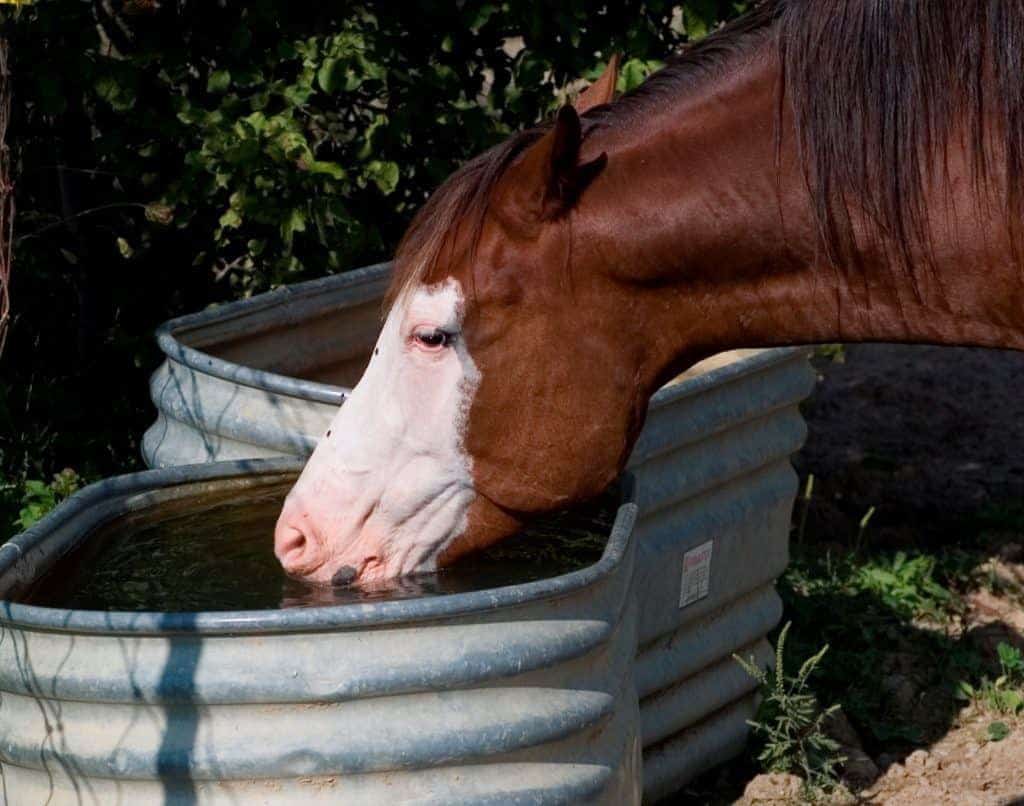
Our nutrition expert offers tips for keeping algal blooms to a minimum in your horse’s water trough this summer.
We’ve collected tweets and take-homes from the 2017 Equine Science Society Symposium. Take a look!

Laminitis risk is the No. 1 reason we worry about equine metabolic conditions such as EMS and PPID when feeding horses.

The May KENA meeting was designed to educate professionals, owners, and recreational riders on land loss in Kentucky.
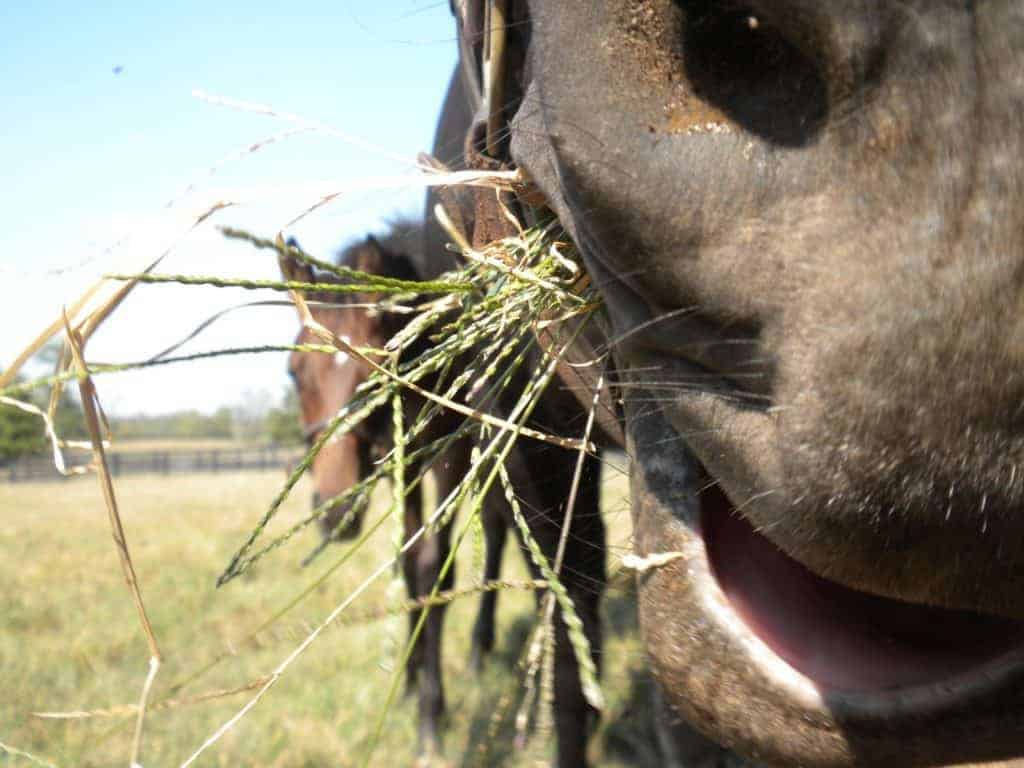
Cool-season pastures grow rapidly in the spring and fall, and management techniques must change with the seasons.


Of the 579 respondents, 443 (77%) said they use drylots to help manage their horses’ weight.

An equine nutritionist offers tips for reducing your horse’s pasture intake with a grazing muzzle.

Attendees can receive tips on barn design, farm site planning, nutrient intake regulation, pasture management, and more.
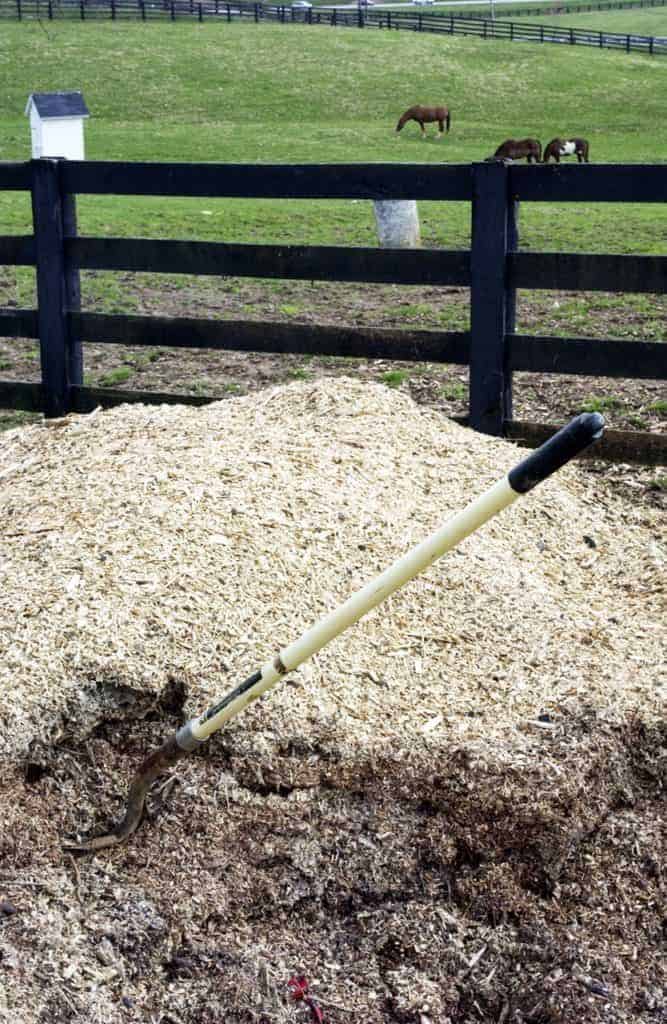
Adding absorbent, biodegradable materials to paddocks can keep water sources cleaner and favor healthy grass growth.
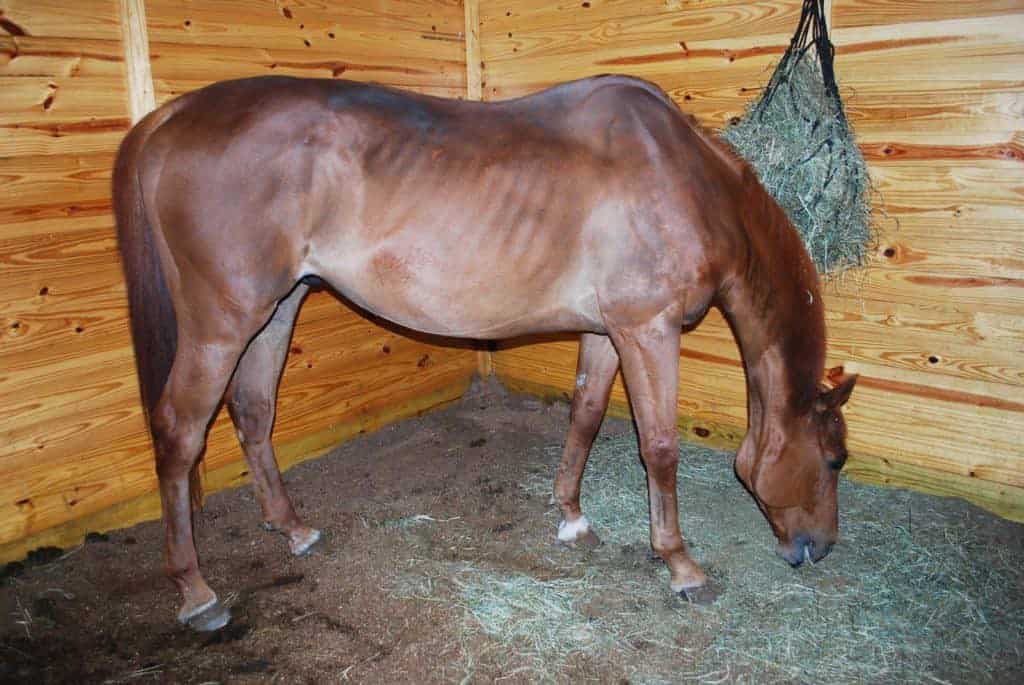
In most cases, energy requirement recommendations are an estimate of what a horse needs.
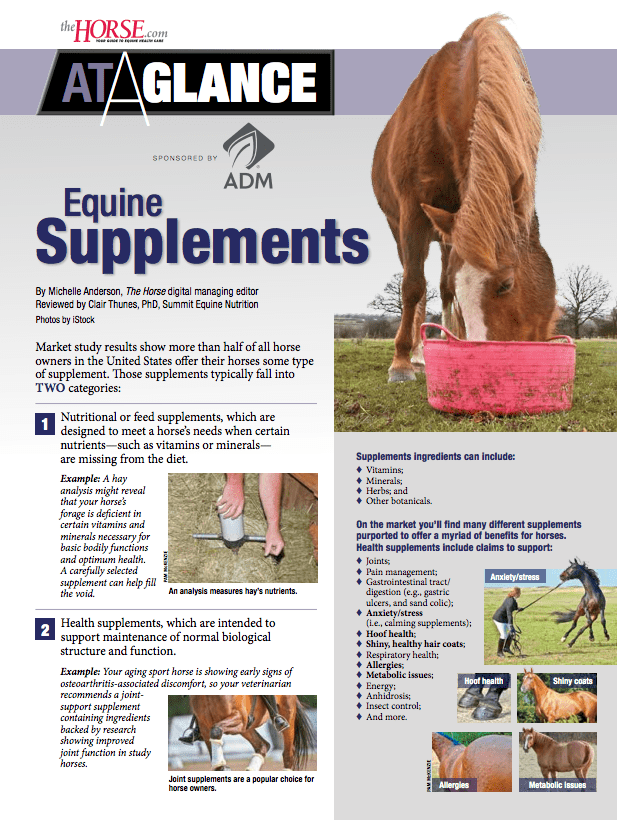
Download this free guide to learn more about the different types of supplements available and get tips for selecting the right supplement for your horse.

Of the 1,244 respondents, 504 (41%) said they feed their horses alfalfa hay.

Have you increased your horse’s workload this spring? Find out how to safely increase his energy intake to match.

Balanced nutrition and exercise can help horses with type-1 PSSM lead active, healthy lives.