Managing Weeds in Kentucky Horse Pastures
A perusal of most Kentucky horse pastures will uncover about 20 plant species, many of which are weeds.

A perusal of most Kentucky horse pastures will uncover about 20 plant species, many of which are weeds.
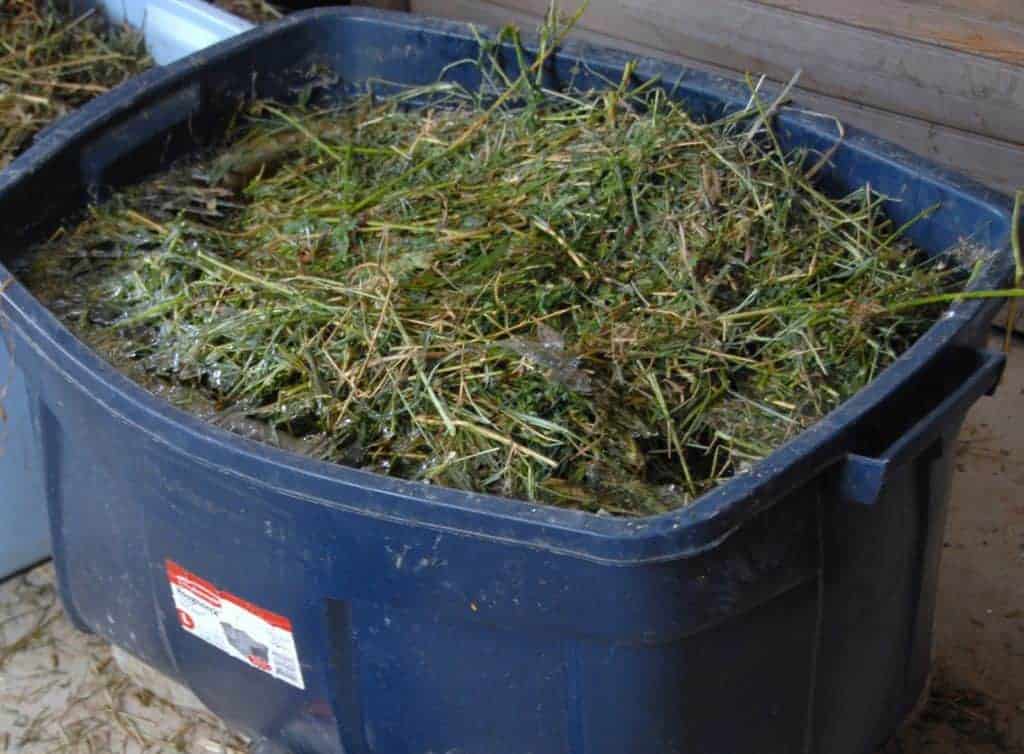
Soaking hay can cause protein and mineral loss, depending on the time submerged and water temperature.
Seeds from box elder trees were consistently present in the autumn pastures of all horses studied.
Laurie Lawrence, PhD, of the University of Kentucky will receive funding for a two-year research project.

Researchers found that high-energy forage diets provided adequate nutrition for young horses in training.
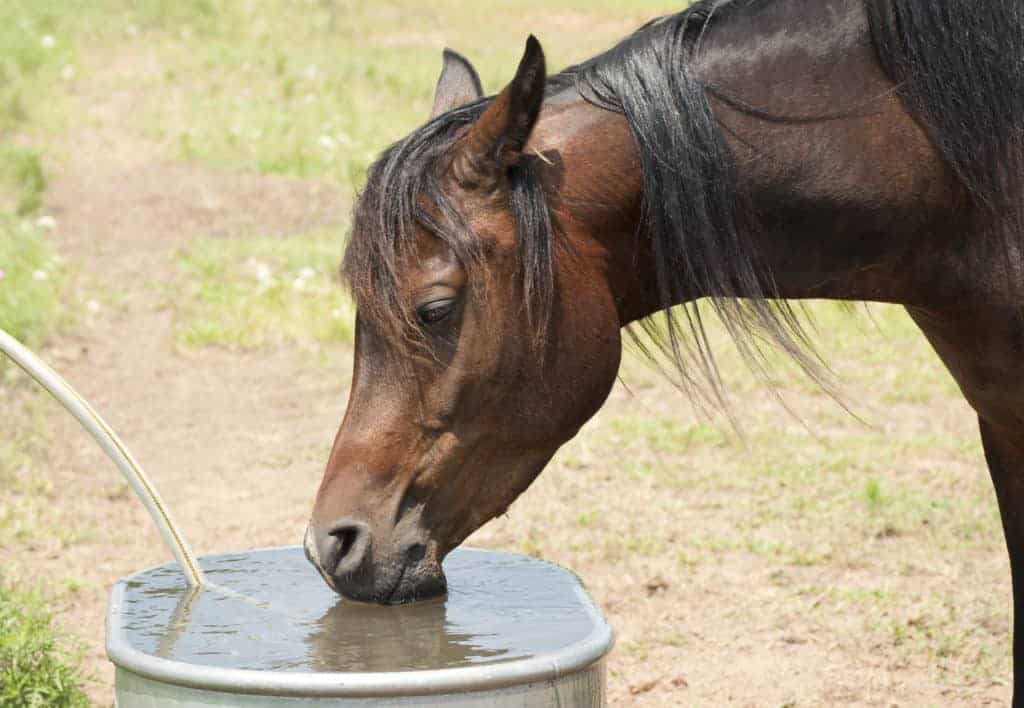
Is it a good idea to add a little salt to your horses’ diet in the winter to get them to drink more water?

The staff at TheHorse.com tallied the most popular articles of 2012. Did your favorites make the list?

Consider the following “wishes” equine experts made to help maximize your horses’ quality of life.

Paying attention to equine management can go a long way to decrease colic incidence.
Having a supply of water in your trailer is useful for hot trail rides, all-day horse shows or camping trips.Photo by Alayne Blickle This project
Parents need to be aware of equine ownership commitment and cost before granting a child’s wish.

Making diet changes slowly, ensuring water intake, and keeping horses moving can help reduce colic risk.

Equine nutrition, hydration, exercise, blanketing, and respiratory health can be concerns as temperatures dip.

This fall, Rutgers will host two webinars on “Demystifying Forage Feeding.”
Researchers observed noticeable lameness in horses consuming high levels of endophyte-infected seeds and hay.
Studies are needed to determine safe limits of fluoride in feed and water for horses.