Horses’ Voluntary Intake of Four Hay Types
Horses showed a clear preference for alfalfa compared to the other types of hay offered.

Horses showed a clear preference for alfalfa compared to the other types of hay offered.
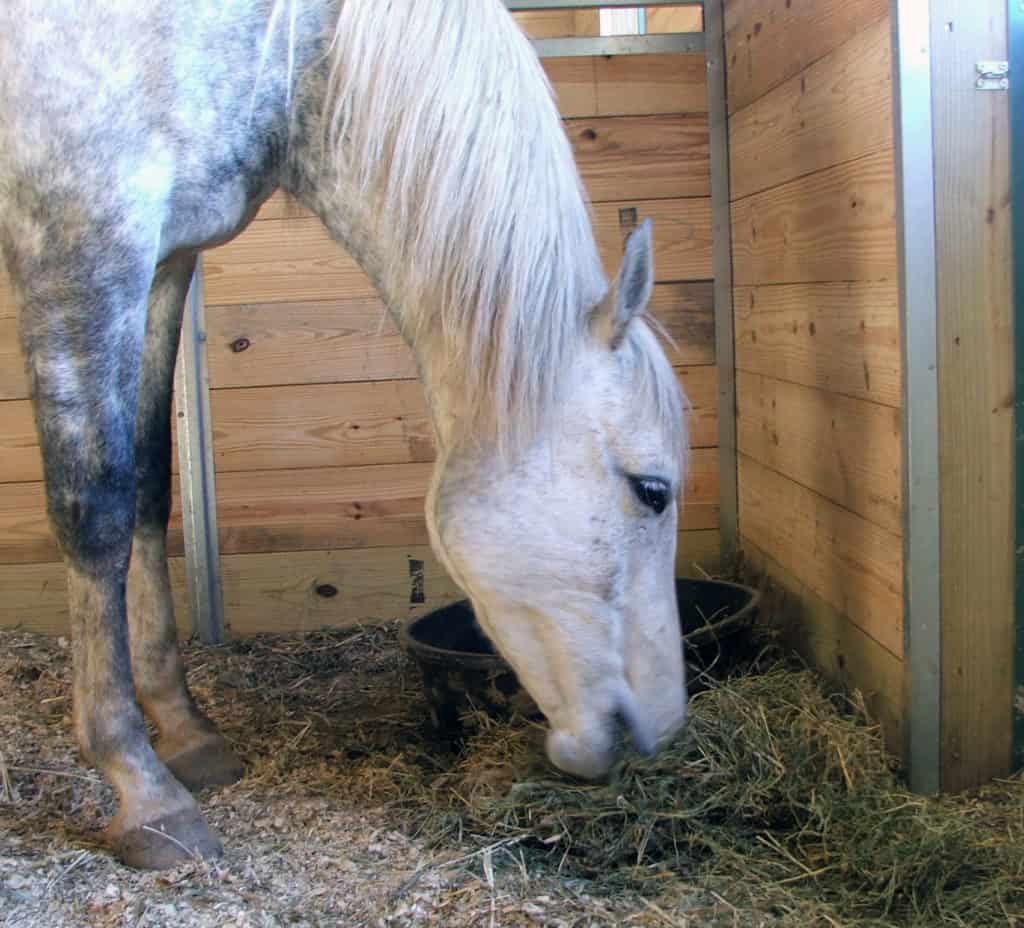
Forage-only diets provide horses with more physically effective fiber than hay-and-concentrate diets.

Restricted pasture access does not have negative effects on hindgut fermentation or fluid balance.
Hestad studied how endophyte-infected tall fescue seed ingestion would affect nonpregnant mares.

No significant fecal pH decrease occurred, but it’s important to change equine feed gradually, researchers say.

Fats increase energy density of diets and are necessary to metabolize fat-soluble vitamins.

A recent study shows that antioxidant levels appear to be challenged during the competition.

With hay stocks down and prices headed up, what should horse owners do? Be proactive and secure hay now for the rest of this year and early next year.
The grazing school will take place on Sept. 22 and will cover a variety of pasture and forage related topics.
We intend to bring our mare home where most of the pasture was our lawn. We’ve never used chemicals but I am n
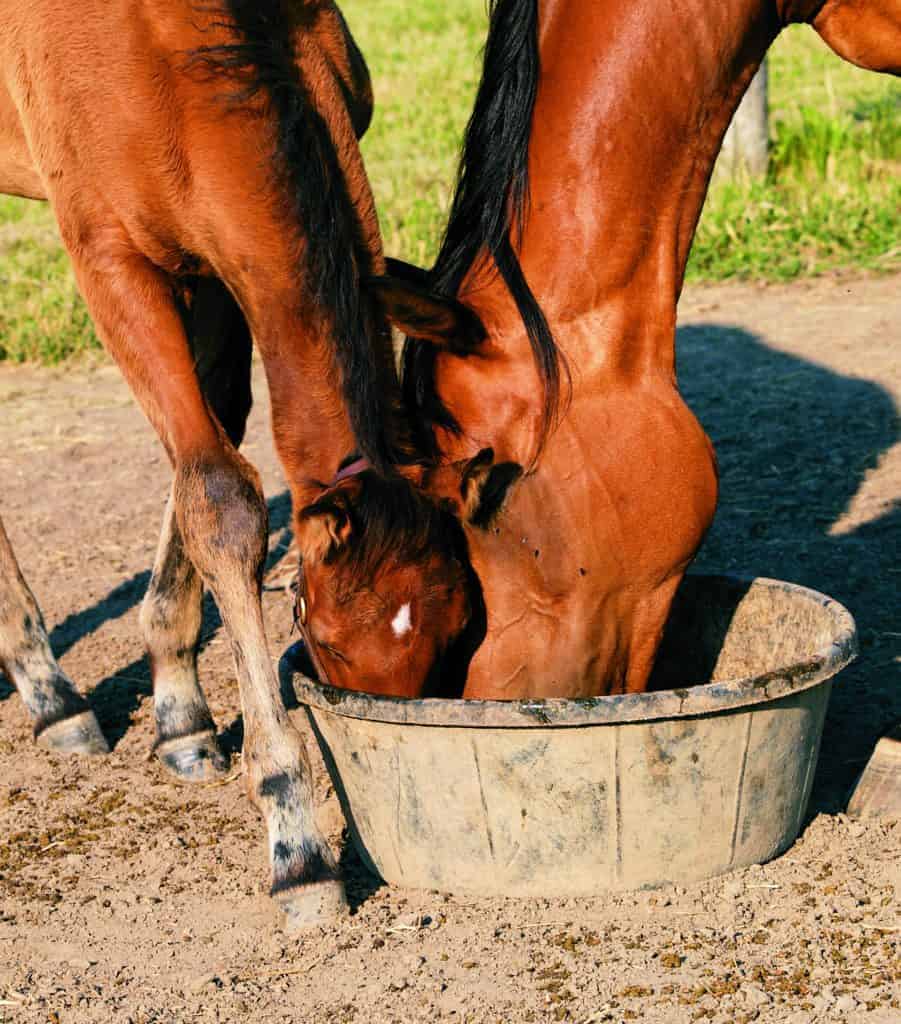
Understanding broodmares’ nutrient requirements can make developing a feeding program a less daunting task.

Here are some practical steps that can be taken on cool-season grass pastures to help them recover for fall.

Mild neurotoxicity to horses was reported in Europe but is not considered a serious threat in North America.
While fall armyworm is a pest of cattle and horse pastures, it should not affect horses.
Always ensure horses are consuming their baseline sodium, potassium, and chloride requirements each day.
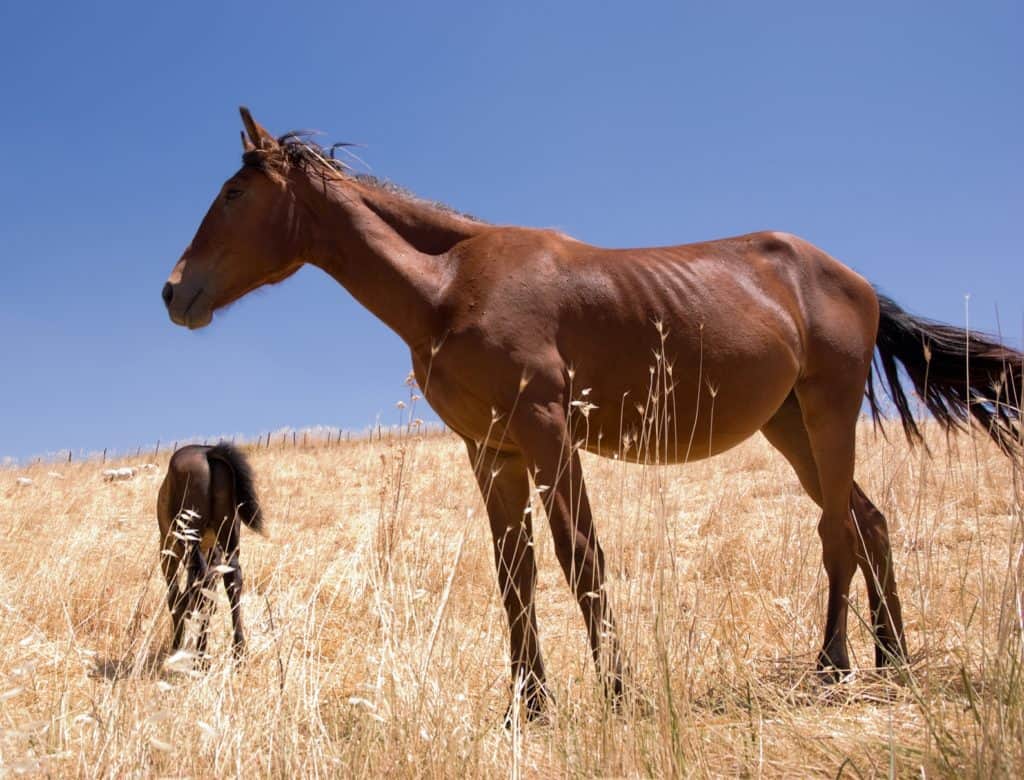
UC Davis researchers found that high-quality alfalfa hay is most effective for rehabilitating a starved horse.