What is Big-Head Disease?
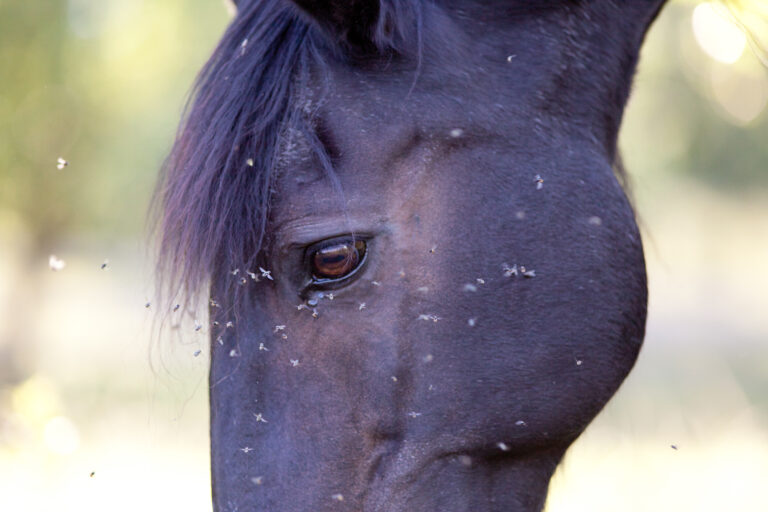
This condition, caused by an unbalanced diet, can have serious musculoskeletal implications for affected horses.

This condition, caused by an unbalanced diet, can have serious musculoskeletal implications for affected horses.

Smith’s research is focused on determining the dietary requirement for the amino acid threonine in growing horses.

Growing horses require specific nutrients, vitamins, and minerals to aid in proper development.

Learn how to determine if your horse is underweight and what feeding options are available for hard keepers.
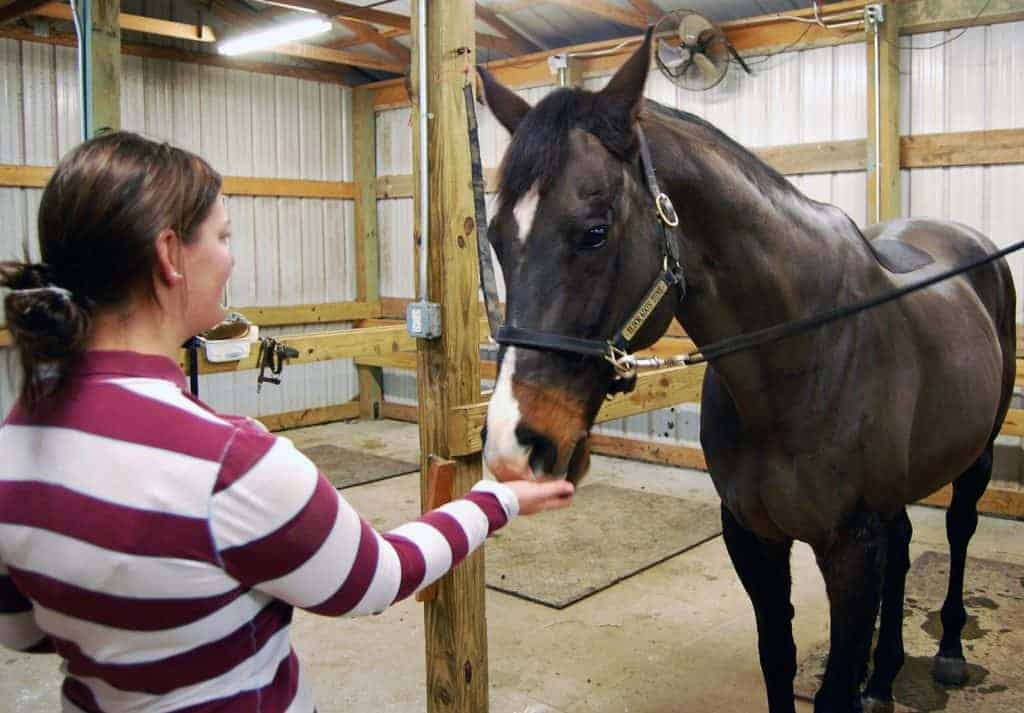
Readers share some of the strange things that their horse have consumed.

Find out if your horse could be at risk of suffering subtle but serious vitamin and mineral imbalances.

Do all the supplements, concentrates, and forages on the market have you confused about what’s best to feed your horse? Learn what your horse really needs to eat from equine nutritionist and consultant, Dr. Clair Thunes.
My horses eat dirt, even with mineral and salt blocks available to them. Why do they do this?

Here’s what to consider if your athletic horse isn’t maintaining ideal body weight and condition.

Assess your horse’s overall diet, nutrient needs, health status, and workload before supplementing him.

Appropriate forage, forage alternatives, and/or concentrates can keep aged horses at a healthy body condition.
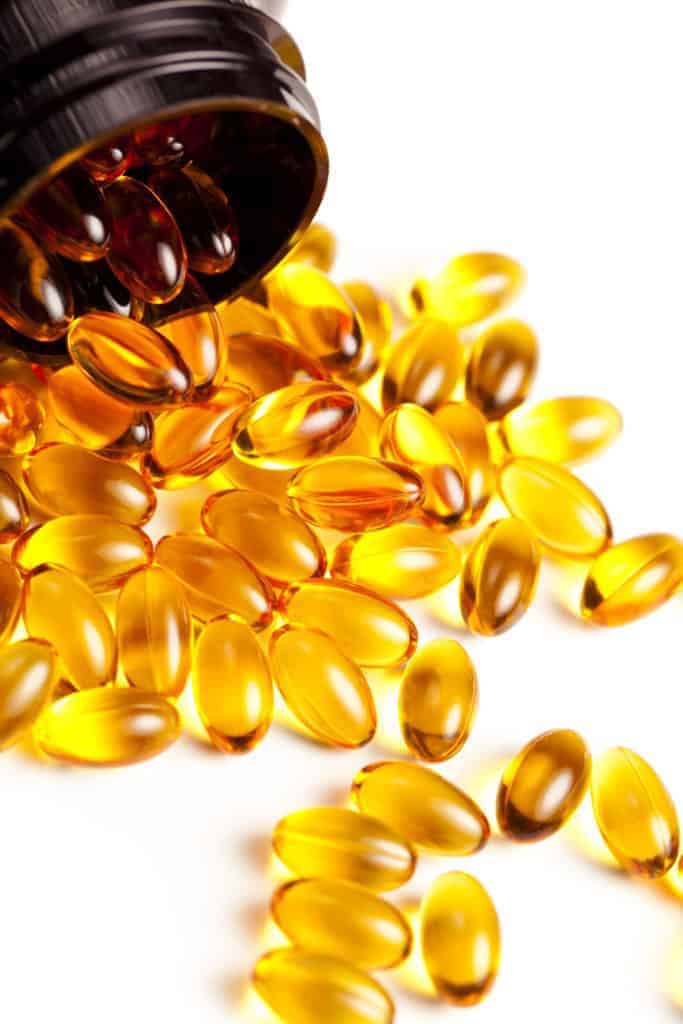
Selenium and vitamin E work together to alleviate muscle damage and signs of tying up in horses.
Ensuring your horse maintains a balanced calcium and phosphorus ratio in his diet is critical, as horses with
Science has shown us that horses require magnesium to keep their bodies functioning properly, so should owners