Upcoming Conference Celebrates 35 Years of Advancing Alfalfa
Discussion topics include alfalfa and the environment, perspectives about hay quality, and more.

Discussion topics include alfalfa and the environment, perspectives about hay quality, and more.

The EPA might not come knocking on your barn door anytime soon, but that’s no reason not to practice good stewardship.

Here’s what current research, or lack thereof, is telling us about common equine supplement ingredients.

What steps have you taken to prevent fires in your barn? What challenges do you need to overcome to help your barn be more fireproof?

Find out how biotin might help hoof and haircoat.

Lecture topics include weed control, how to re-establish pastures, and plants that are poisonous to horses.
This year’s program will focus on “Grazing Rewards and Concerns: How and Why to Manage Your Pastures.”

Find out from Dr. Nancy Loving how frequently a horse needs to drink during the winter to stay healthy.

Dr. Nancy Loving talks about the risks horses face when they don’t drink enough during the winter.
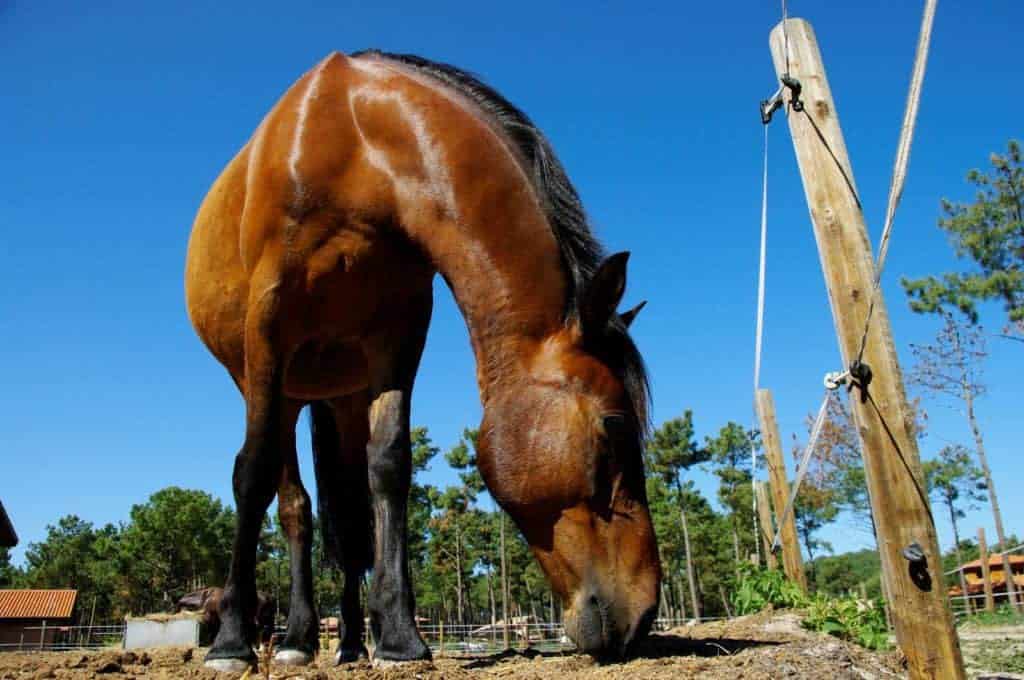
A psyllium/magnesium sulfate combination appears safe and effective for helping horses evacuate sand from their colons.
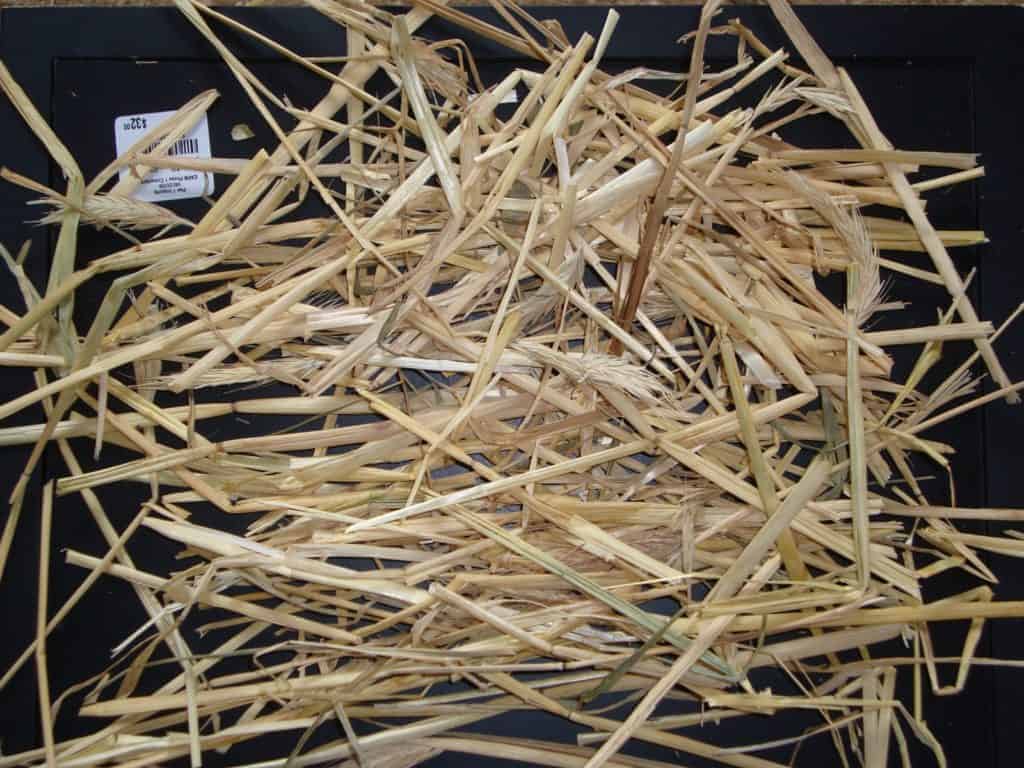
Industry professionals believe awns in rye straw, lip ulcers, and infection could be behind the horse’s sudden death.
Florida agricultural officials fined Lakeland Animal Nutrition $4,000 for the contaminated feed on Jan. 6.
A farm owner says three horses died and another was sickened after consuming contaminated feed produced by ADM.
Contaminated feed is being blamed for the deaths of two South Carolina horses and the illness of another.

Sometimes in our horsey lives it’s the little things that make all the difference. That’s why I thought I’d share a few of my “little things” that I appreciate each day and find helpful for getting chores done easily and painlessly.
Lecture topics will include hoof care, nutrition, emergency care, dentistry, eye diseases, behavior, and more.