New Year’s Resolutions for Maximizing Horse Health in 2015
Here are five ways to help your horse stay healthy and happy through the new year.

Here are five ways to help your horse stay healthy and happy through the new year.
Owners of horses that ingested recalled feed have reached a settlement with Lakeland Animal Nutrition Inc.

Equine nutritionist Dr. Clair Thunes addresses listener questions about using biotin to improve hoof and coat health.

Some parts of the country are bracing for a cold start to 2015. Here are a few winter horse care tips to remember.
The conferences are designed to show attendees how forage management can make a difference in a farm’s bottom line.
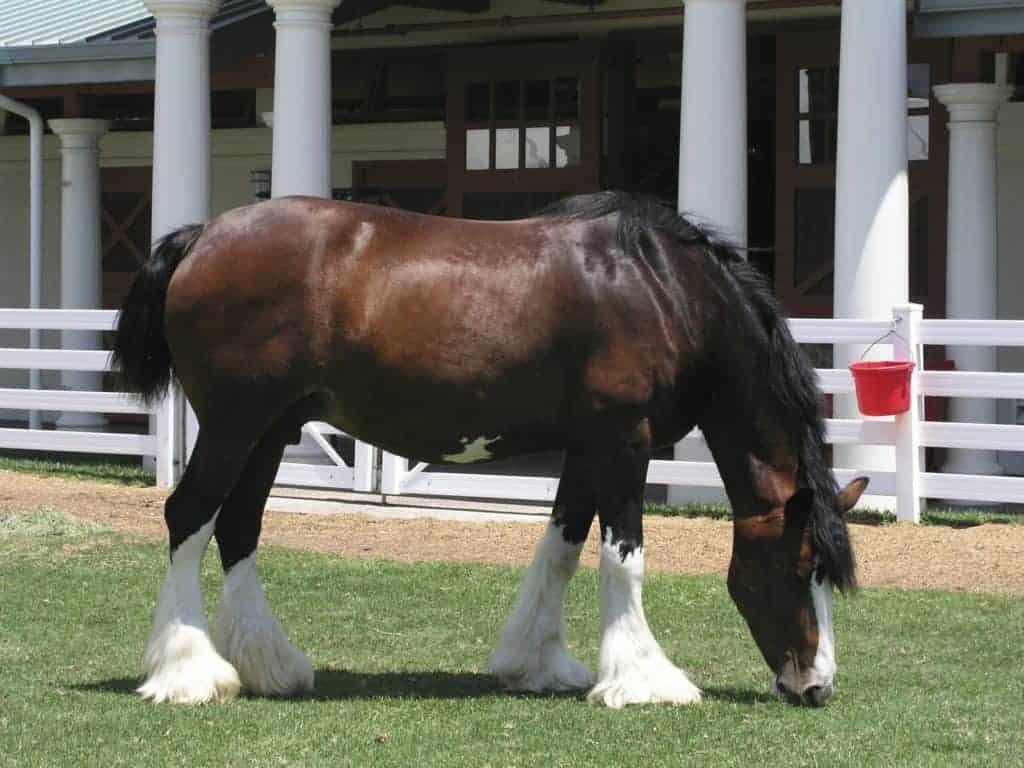
Listeners wonder if feeding guidelines for average-sized horses apply to Draft and Miniature Horses as well.
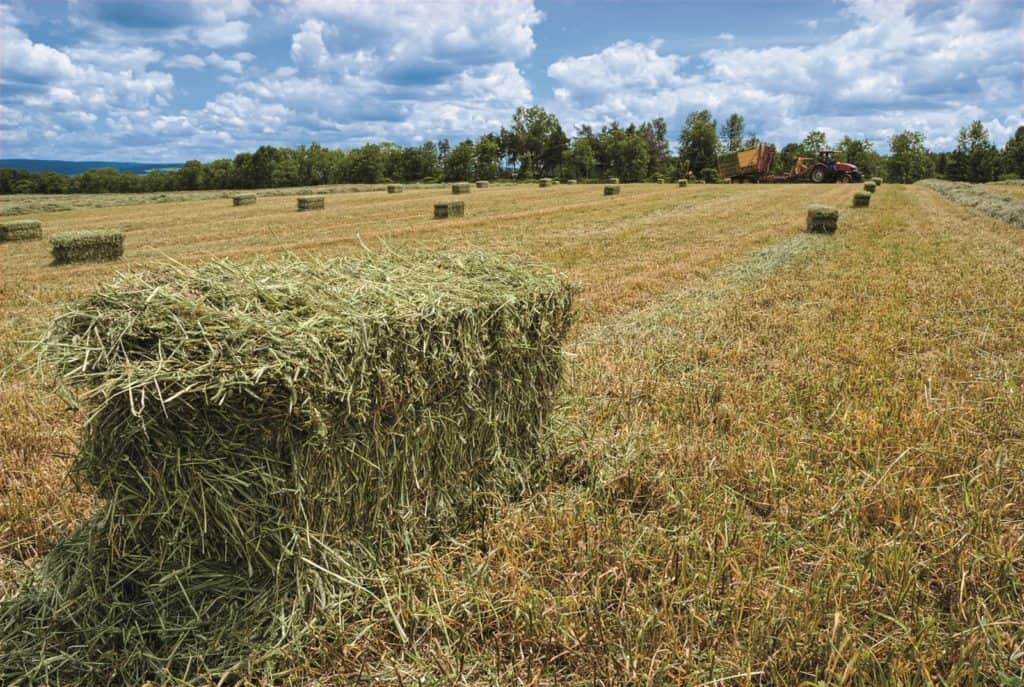
Using a hay feeder produces less waste and will save horse owners money in the long run, researchers say.
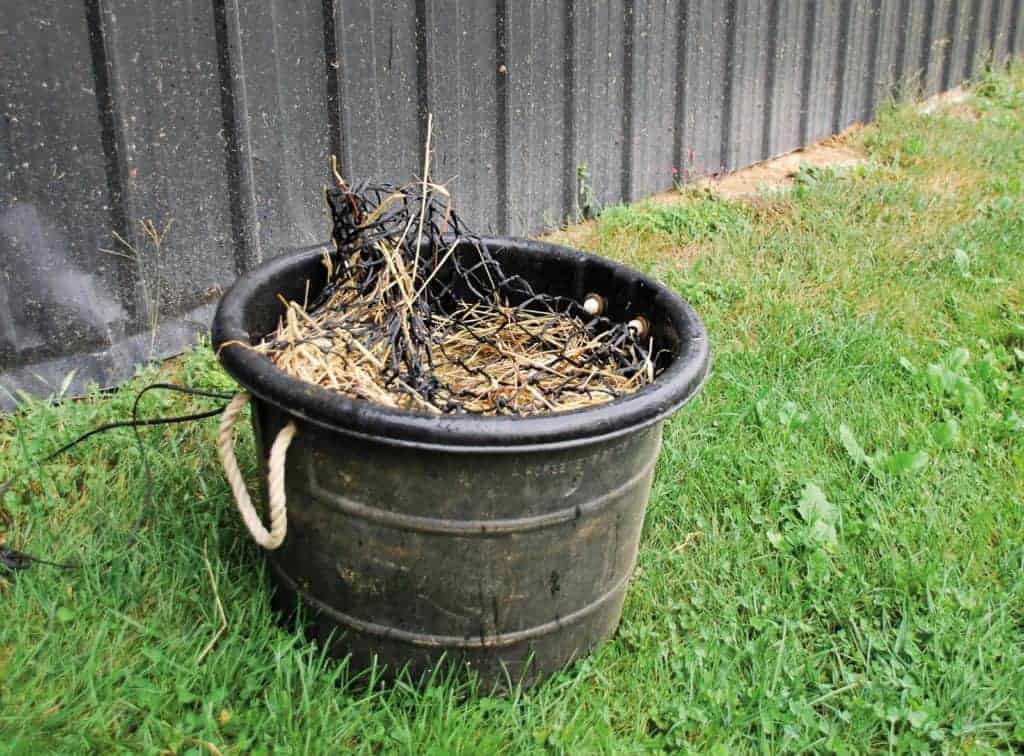
Of the 755 respondents, 584 (77%) said they do not soak their horses’ hay.
A fourth Florida horse has died after consuming an equine feed tainted with an antibiotic intended for use in cattle.

Equine metabolic syndrome doesn’t just cause equids’ girths to expand; it can also lead to other health conditions.

Prepare for drought long before pastures wither and hay supplies dwindle.
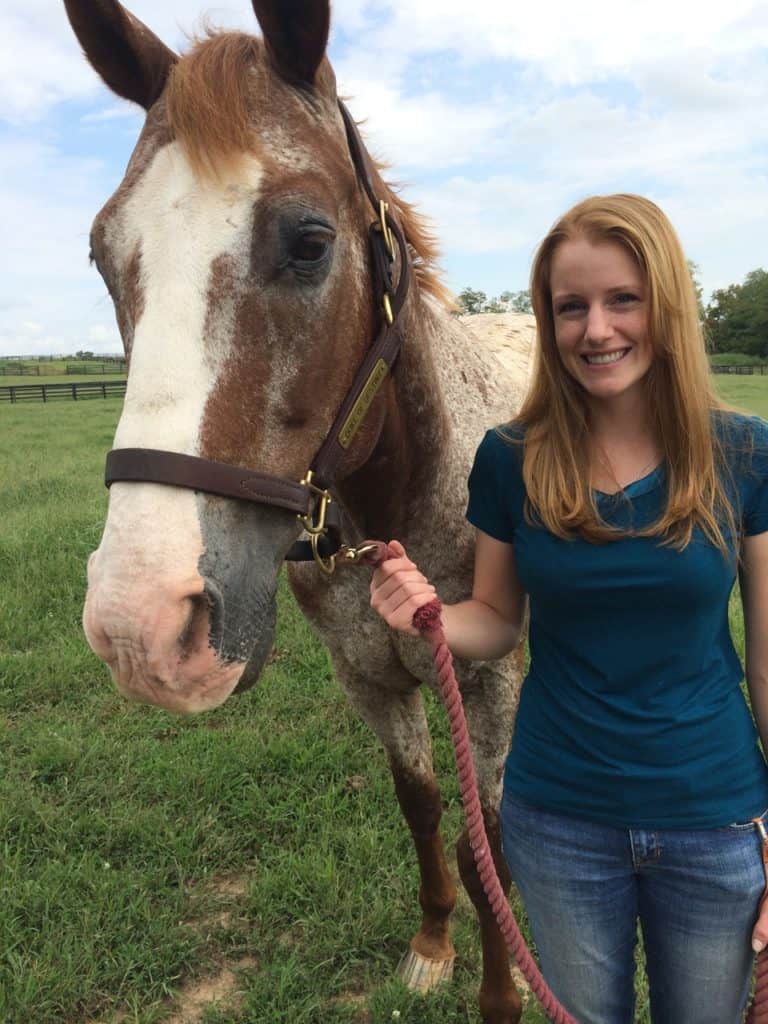
Fowler’s main research focus involves investigating what affects horses’ phosphorus excretion.

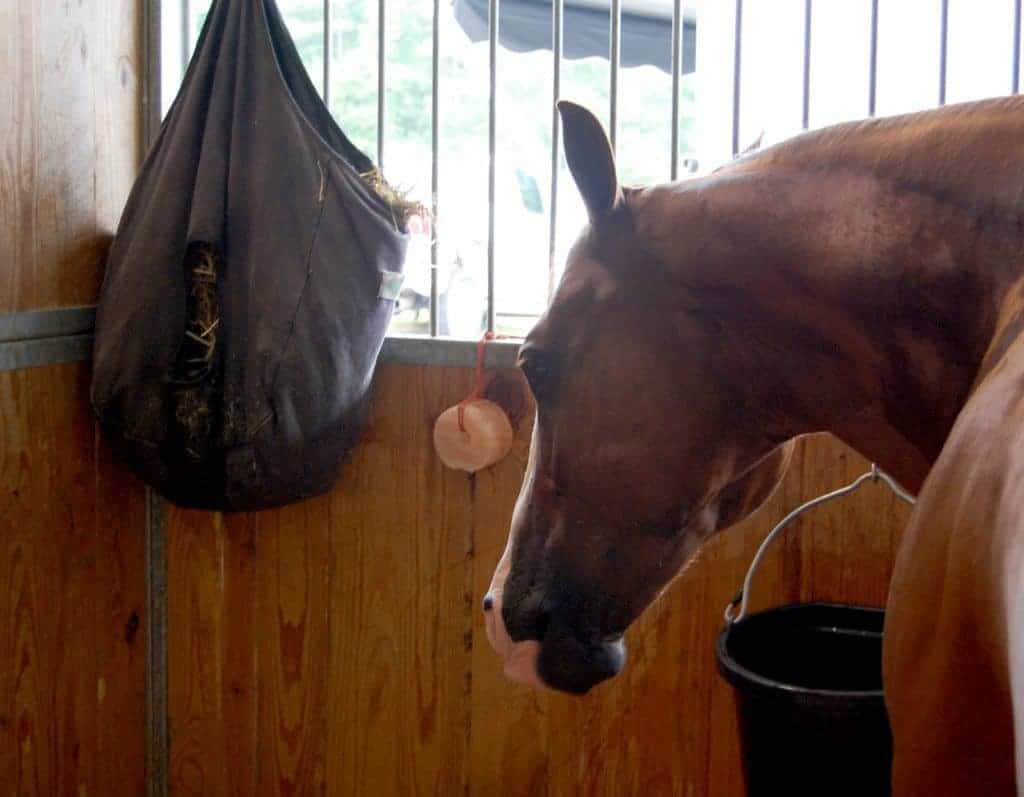
Learn if extra money spent on a Himalayan salt block is a good investment.

Researchers found the muzzles reduced horses’ grass consumption by 30% but did not impact the animals’ forage choice.

Dr. Clair Thunes explains why measuring feed by weight rather than volume is important for horse health.