Can Fatty Acid Supplementation Help IR Horses?
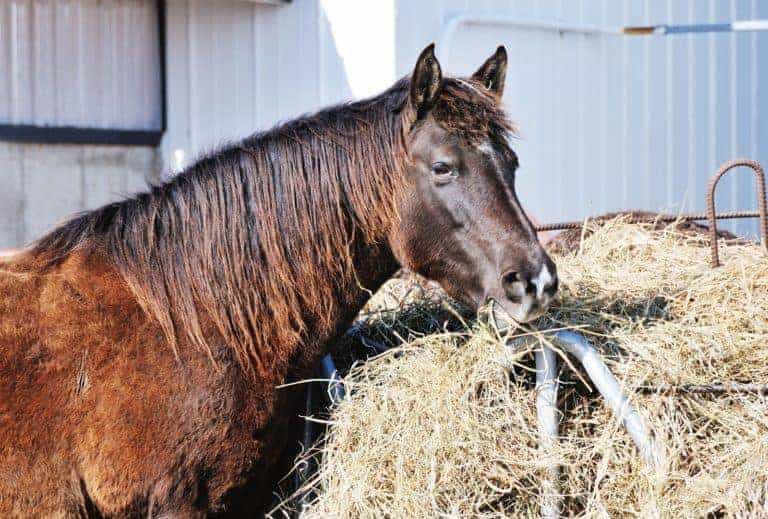
Supplementation with a certain type of fatty acid appears to improve insulin sensitivity in IR horses.

Supplementation with a certain type of fatty acid appears to improve insulin sensitivity in IR horses.
The help horse owners more precisely plan hay purchases and evaluate horses’ body weight.

Learn about the potentially serious horse health problems mycotoxins and metabolites produced by mold can cause.
Dealing with the post-laminitic horse has its challenges, but it is also rewarding when you’re able to see your horse living a good quality of life and returning to his or her former profession.

Veterinarians are aiming to identify endurance horses in danger of metabolic failure during competition.
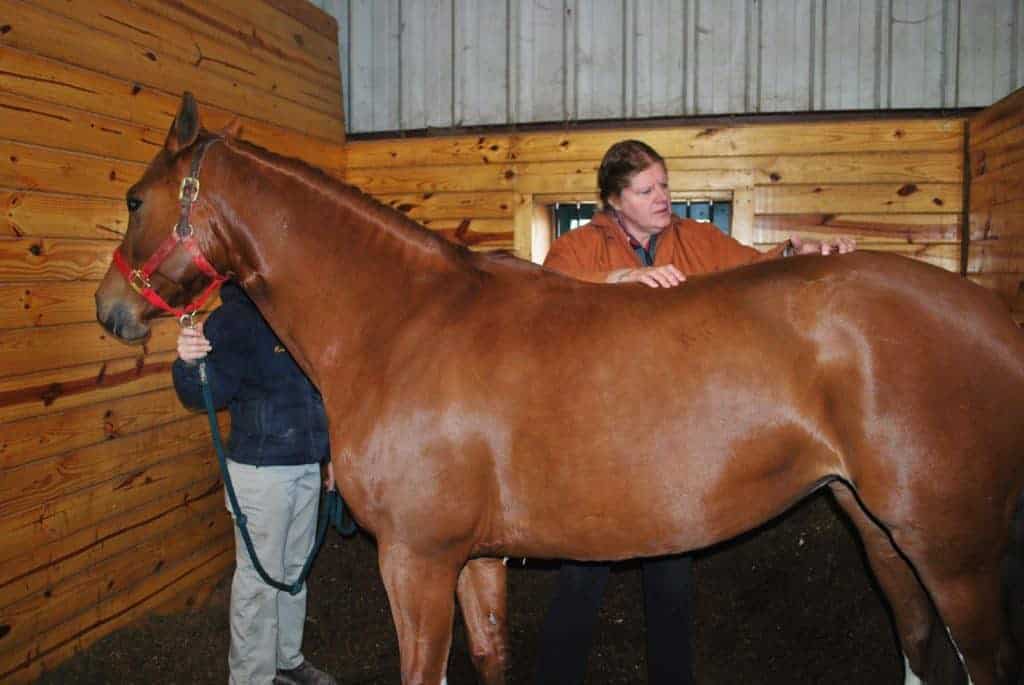
Most readers said they’ve incorporated at least one complementary therapy into their horses’ care.

It’s hot out there! Learn how to keep your horse cool and comfortable during exercise and rest on even the most scorching days.

Researchers showed that reduced time on pasture increases consumption rate and decreases fecal pH in horses.
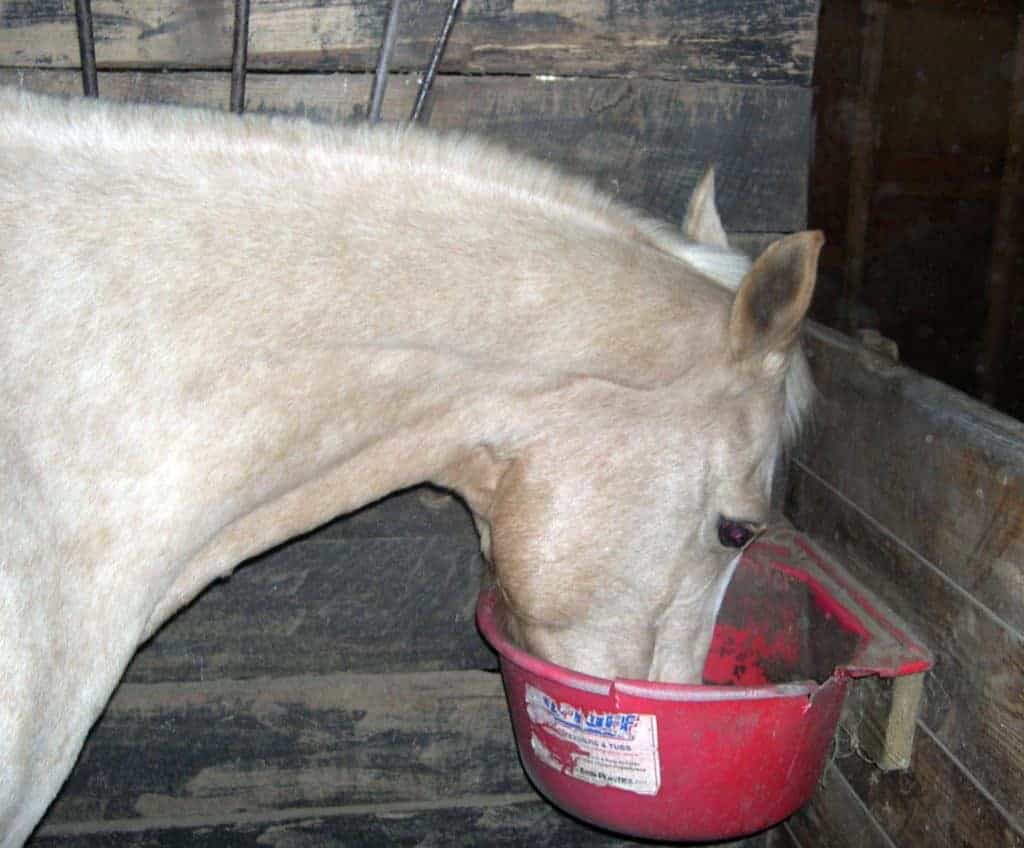
Feeding methods that slow horses’ consumption rate reduces their insulin and glucose responses after the meal.

Of the 692 voters, 317 (46%) indicated the main cooling method they employ is providing ample shade.
Sessions on hay production and equine parasite control recommendations will be offered.

Lactating mares on good quality pasture didn’t need grain to maintain their weight or their foals’ growth.

An LSU study found that, after omeprazole treatment, SmartGut Ultra reduced the return of ulcers in horses.

Researchers found a feed supplement designed to combat headshaking provided little relief to affected horses.

One researcher reviews vitamin E supplementation in horses with neurologic disorders.

Here are some points to consider before turning out horses in lush green pastures.