Fact Sheet: Hay Soaking
Learn about the potential benefits of soaking your horse’s hay, methods for soaking, and what to do with the remaining liquid (hint: don’t use it to water plants) in this information packed fact sheet.

Learn about the potential benefits of soaking your horse’s hay, methods for soaking, and what to do with the remaining liquid (hint: don’t use it to water plants) in this information packed fact sheet.

Kent Allen, DVM, head treating vet at the Rolex Kentucky Three-Day Event, describes addressing dehydration in event horses and preventing it in your own.

A study examines the effects of P. acidilactici and S. boulardii-based probiotics on horses.
The USEF issued a statement regarding the use of equine nutritional supplements on April 1.
Based on Purina’s investigation, the CHRB says vendors can supply any product milled on and since March 27.
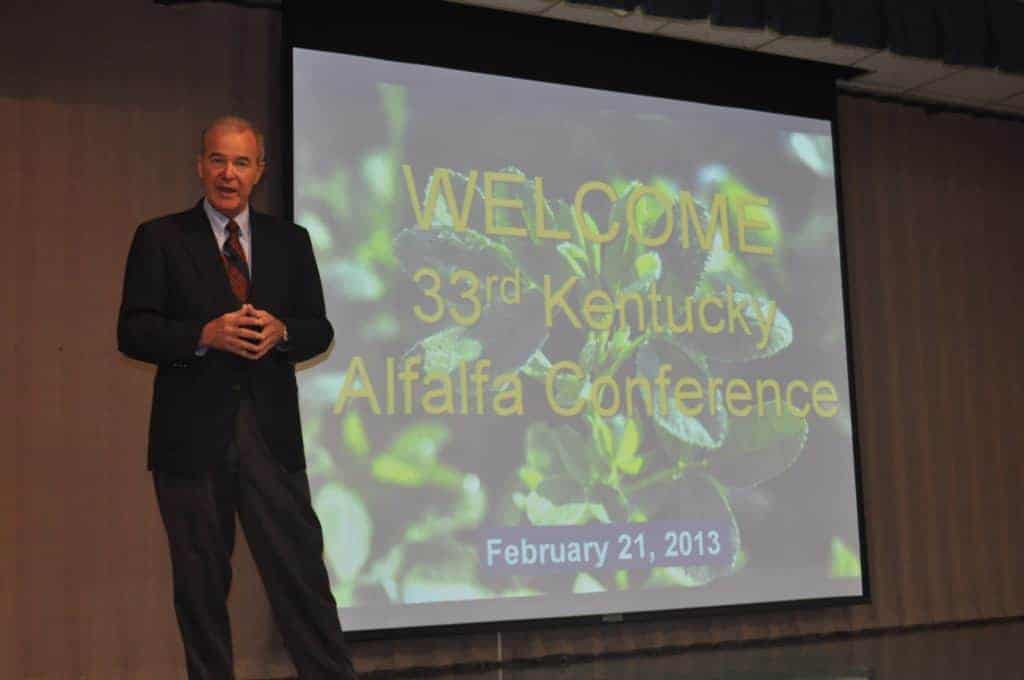
This year?s conference focused on hay production for the horse and other high-quality markets.

Researchers are closer to helping owners and trainers identify if a horse is at risk for soft tissue injury.
Racing officials are taking a close look at the calming agent GABA, which was banned by the USEF in 2012.
The California Horse Racing Board, citing feed contamination, dismissed 48 positive tests for zilpaterol.
The CHRB said it concluded some sweet feed products contain zilpaterol, a prohibited substance for racehorses.
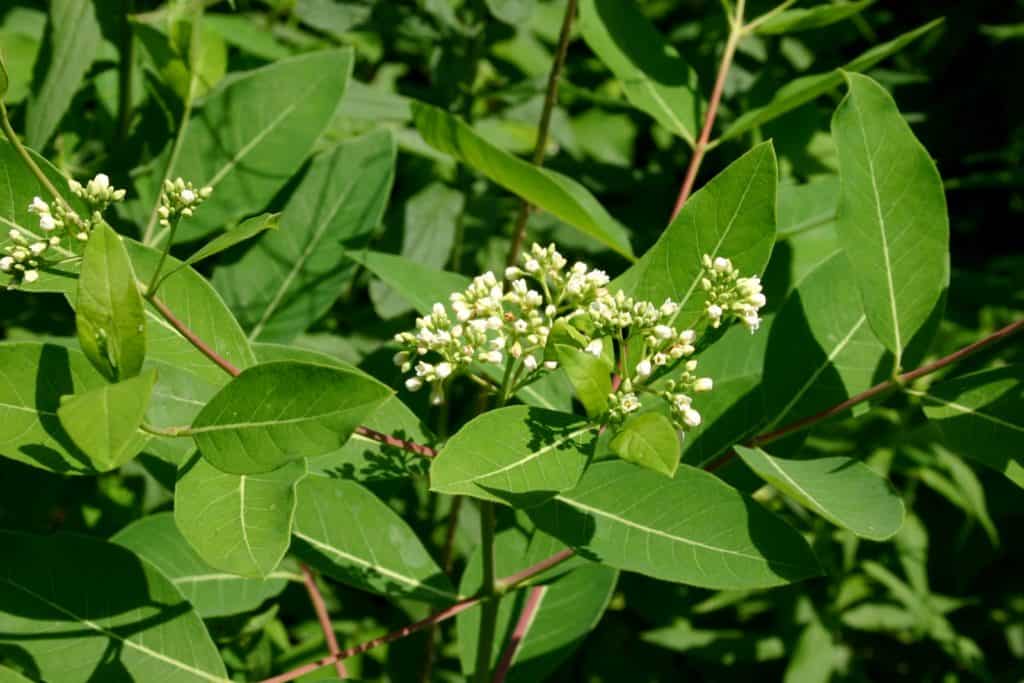
Learn how to identify invasive, noxious, and sometimes poisonous, pasture weeds that commonly infest horse pastures.
Exposure to certain mycotoxins can cause a number of serious health problems for horses, including death.

Your horse’s fecal production and appearance can be an indicator of good or poor health.

Researchers say endophyte-infected tall fescue seed consumption could negatively affect exercise recovery.

Researchers speculate that elevated iron (ferritin) levels are a significant risk factor for IR onset.
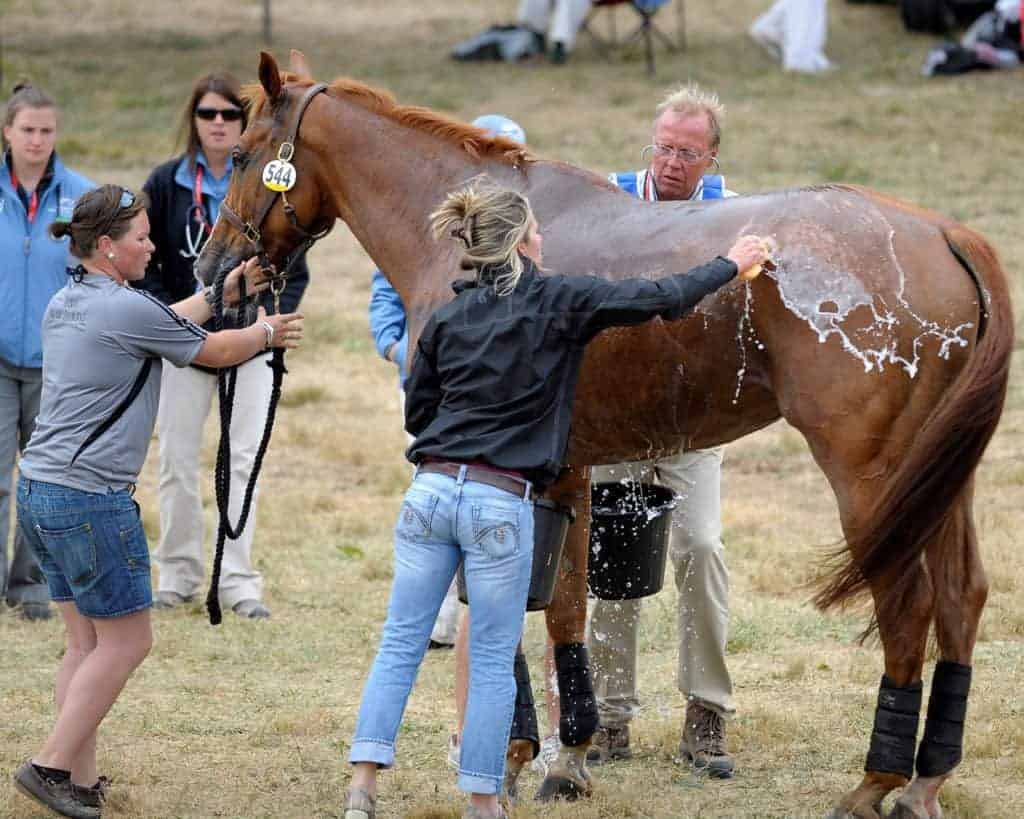
With proper management, most horses recover well from dehydration and exhaustion.