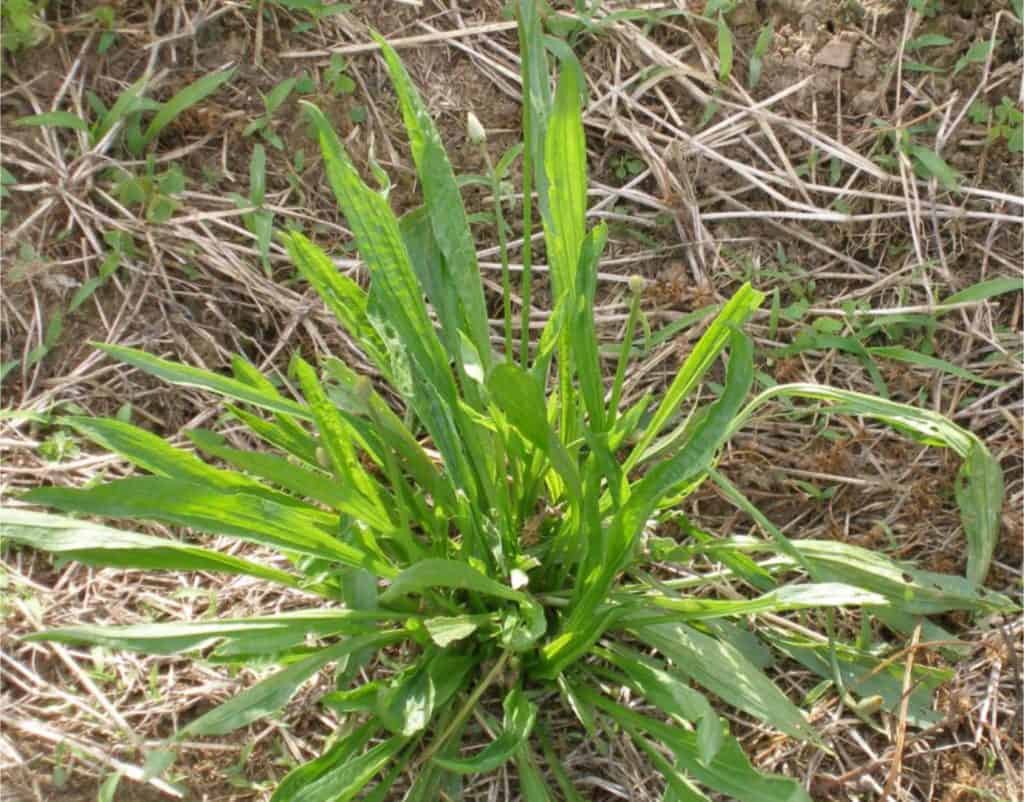
Weed of the Month: Buckhorn Plantain
Buckhorn plantain is widespread across North America and is a common plant in various pastures and turf.

Buckhorn plantain is widespread across North America and is a common plant in various pastures and turf.
With almost 130 evaluations performed, the program has a large data set about Kentucky horse pastures.
Due to the 2012 drought, some owners are having difficulties finding feed sources for their horses.
The fifth annual “Haydrive” campaign will help fund hay costs for the TRF’s 950 retired racehorses.

Some nutritionists have speculated that certain dietary supplements might assist with equine ulcer management.
This year’s program will feature advice about minimizing the risk of laminitis in grazing horses and more.

Ergovaline levels over 200 ppb (parts per billion) in mature hay can cause fescue toxicity in pregnant mares.

A perusal of most Kentucky horse pastures will uncover about 20 plant species, many of which are weeds.
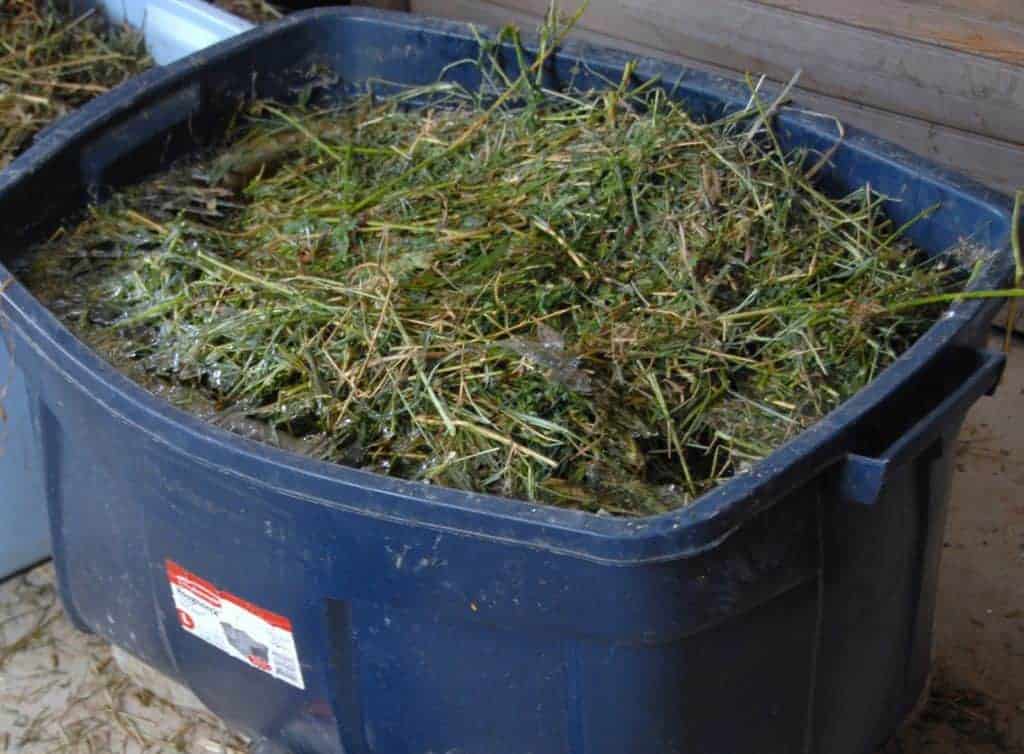
Soaking hay can cause protein and mineral loss, depending on the time submerged and water temperature.
Seeds from box elder trees were consistently present in the autumn pastures of all horses studied.
Laurie Lawrence, PhD, of the University of Kentucky will receive funding for a two-year research project.

Miniature Horses are more susceptible to some health problems than their larger counterparts.
Researchers found that high-energy forage diets provided adequate nutrition for young horses in training.
Is it a good idea to add a little salt to your horses’ diet in the winter to get them to drink more water?

The staff at TheHorse.com tallied the most popular articles of 2012. Did your favorites make the list?

Consider the following “wishes” equine experts made to help maximize your horses’ quality of life.