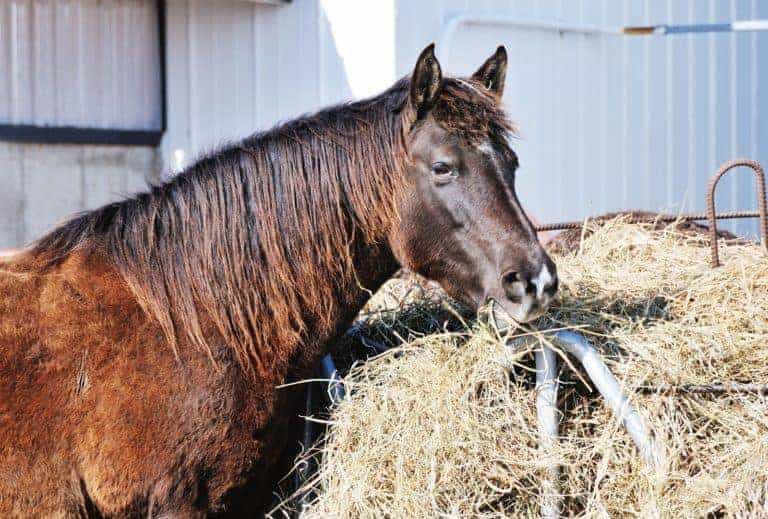
Feed Choices Can Mean Cost Savings for Horse Owners
Feed choices are good places to start when trimming expenses without sacrificing the horses’ care quality.

Feed choices are good places to start when trimming expenses without sacrificing the horses’ care quality.
Consumers can expect to see the updated seal on shelves as early as this fall.

A research team concluded that providing food without water can increase dehydration in horses.

Special attention to a horse’s management and health program is a necessity during show season.
Officials determined that zilpaterol found in tests from 12 racehorses originated from contaminated feed.
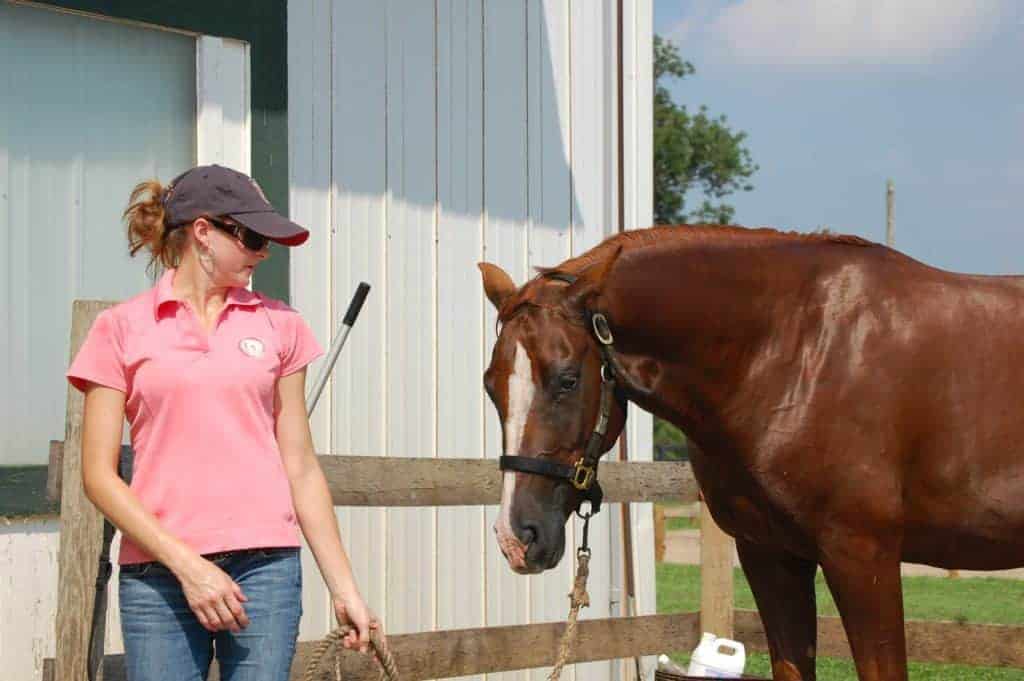
Here are 10 tips–from keeping horses hydrated to limiting exercise–on preventing heat-related problems.

Horse owners can take simple steps to help keep their animals’ GI systems functioning optimally.
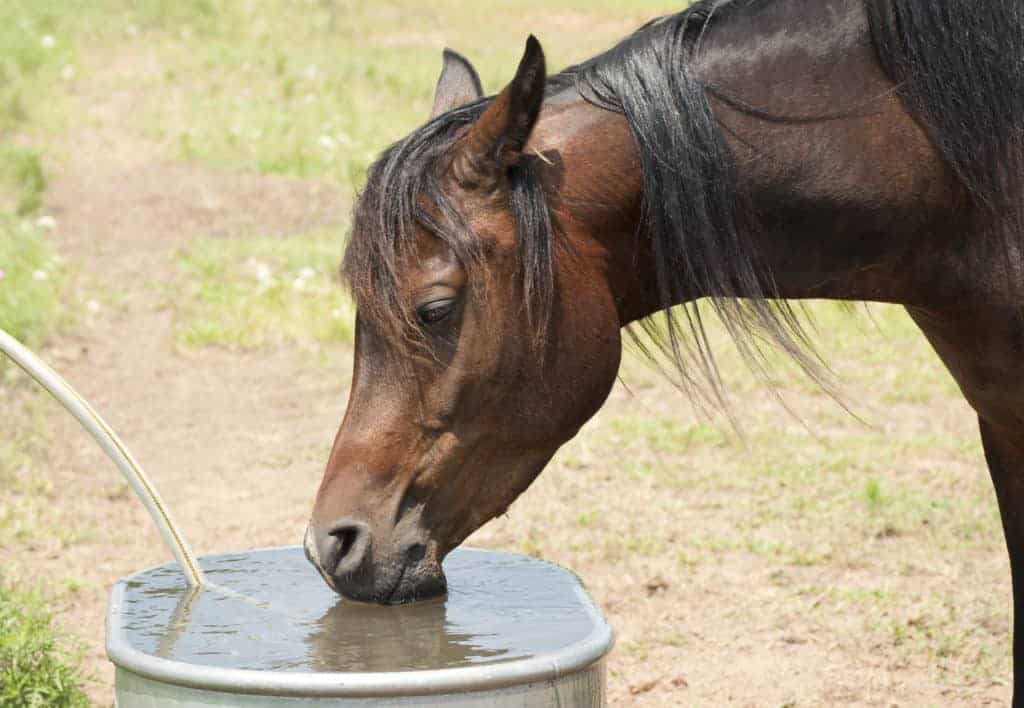
Learn how to quench your horse’s thirst to avoid potentially dangerous scenarios, such as severe dehydration.

Current feeding recommendations might be overestimating fecal inevitable phosphorus losses in growing horses.
Discussion topics will include techniques for evaluating hay, forage alternative options, and more.
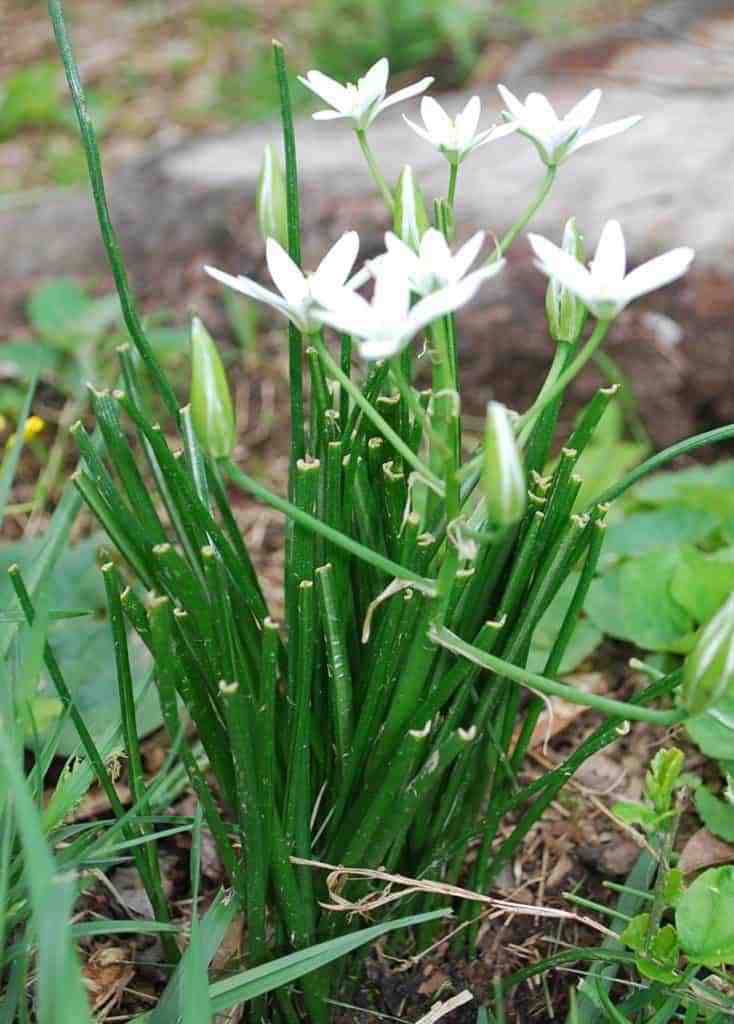
Star-of-Bethlehem is a cool-season perennial of the lily family.

Brummer?s research focused on selenium and how selenium status affects horses’ antioxidant status.

Researchers tested Doppler ultrasonography to detect vasoconstriction due to endophytic alkaloid consumption.

Researchers believe different sweating patterns can help estimate how much sweat horses lose during exercise.
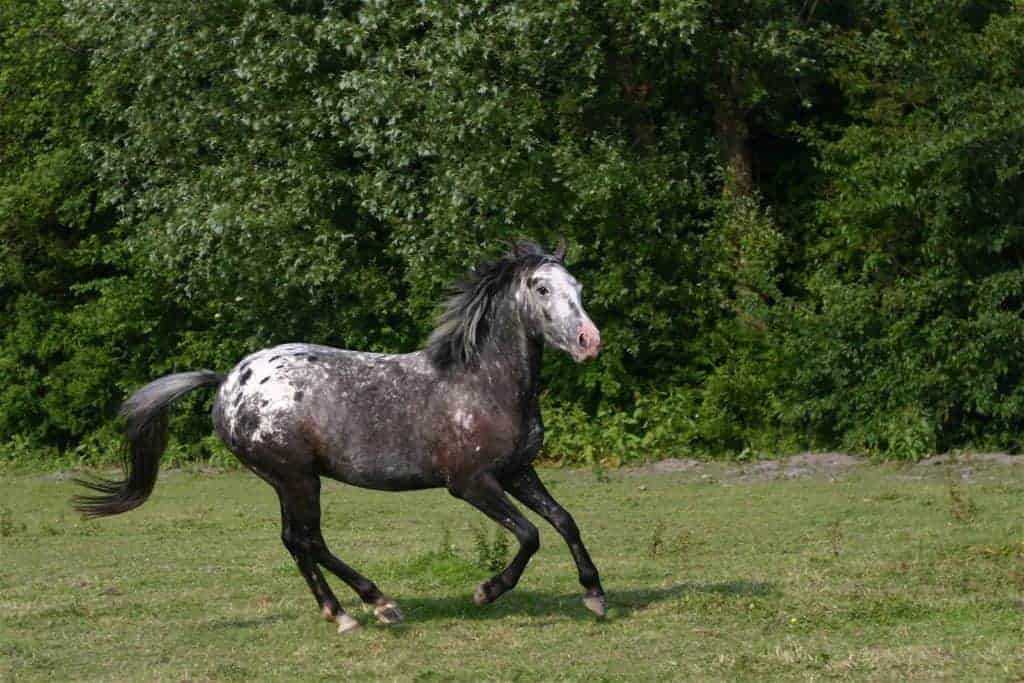
Researchers recently evaluated selenium status’ impact on antioxidant factors in mature horses.