Fact Sheet: Gastric Ulcers
Gastric ulcers occur commonly yet present a number of treatment challenges requiring pharmaceutical intervention and intensive lifestyle modifications. Sponsored by Vitalize.

Gastric ulcers occur commonly yet present a number of treatment challenges requiring pharmaceutical intervention and intensive lifestyle modifications. Sponsored by Vitalize.

While omeprazole use is unlikely to cause bone issues in horses consuming correct rations, researchers said it’s important to respect professional recommendations for both omeprazole treatment duration and commercial feeding instructions.
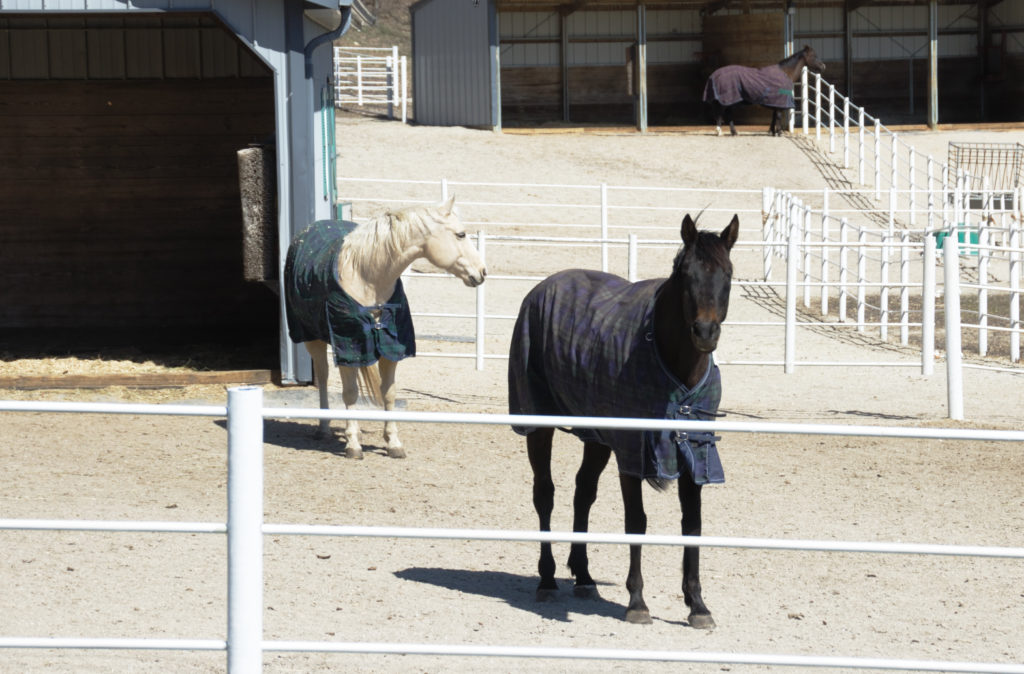
Your horse might not be getting enough vitamin E and not show any obvious signs. Or, he could have severe disease. Dr. Carrie Finno explains.
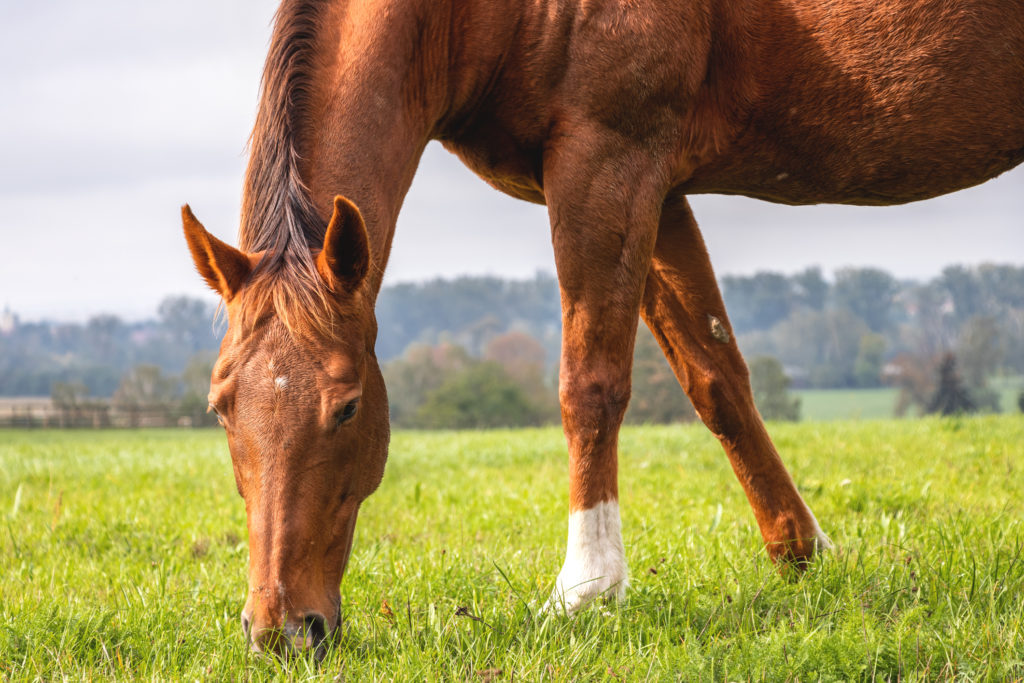
Researcher Dr. Carrie Finno of the University of California, Davis, explains the important role vitamin E plays in neuromuscular and reproductive health for horses.

A bossy gelding has ballooned during the summer months, and his owner seeks advice for a safe and effective diet.

Here’s what you need to know about how to make a change in your horse’s hay or forage safely and effectively.

Few horses are lucky enough to have constant, year-round access to fresh, green grass, which provides the best natural source of vitamin E. This powerful antioxidant supports muscle and nerve health. Is your horse getting enough? Learn about horses’ vitamin E requirements and how to prevent deficiencies during this live event. Sponsored by Kentucky Performance Products.

With people staying home during the COVID-19 pandemic, more horse owners seem to be seeking nutrition advice online.
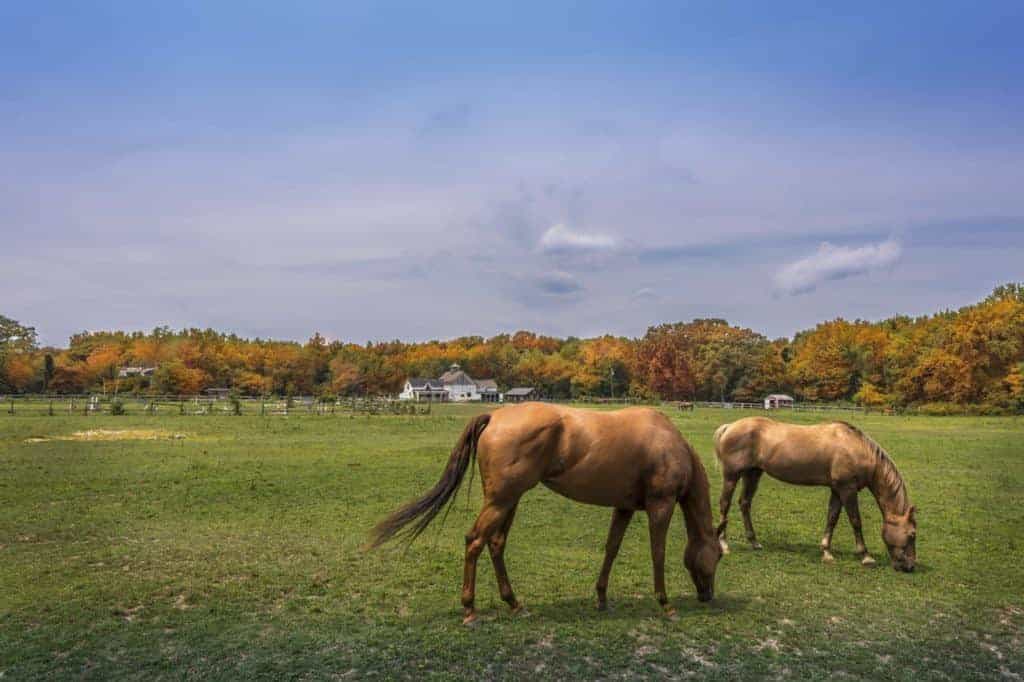
Without a doubt, horses are hard on pastures. Equine forage researcher Krishona Martinson, PhD, MS, of the University of Minnesota, offers tips on helping an overgrazed pasture recover.
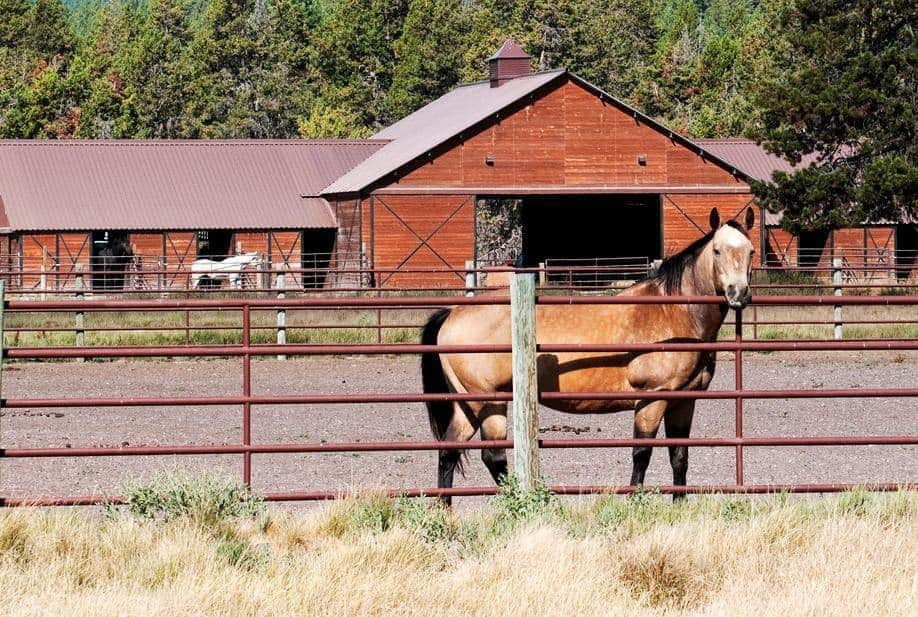
Recent research has given us more insight into how to manage horses affected by or vulnerable to laminitis. If your horse falls into the at-risk category, consider these diet changes.

Feed manufacturers design ration balancers to make feeding horses simple. But is it better to divide a daily portion into two feedings?

Equine forage researcher Krishona Martinson, PhD, MS, of the University of Minnesota, explains the steps involved in turning newly cleared property into a productive horse pasture.

What’s the best way to keep two horses on a half-acre pasture? Equine forage researcher Krishona Martinson, PhD, MS, says small pastures less than 1 acre are common and offers advice to keep them productive.
A listener asks how to make pastures safe for insulin resistant horses. Equine forage researcher Krishona Martinson, PhD, MS, responds and shares the risks associated with allowing IR horses to graze.

Considering a switch? A nutritionist weighs the benefits and drawbacks of feeding horses pelleted hay.

A reader’s senior Thoroughbred lost weight during the winter. Our equine nutritionist suggests simple ways to increase his body condition.