Scientists Revisit Historic Exercise Research in Racehorses
Scientists are highlighting early 20th century studies and Japanese researchers who were well ahead of their time.

Scientists are highlighting early 20th century studies and Japanese researchers who were well ahead of their time.

The fatal injury rate in Thoroughbred racehorses declined for a fourth consecutive year and has dropped 23% since 2009.

Practice can and should be ethical, but it’s not always easy. Pressure applied by trainers or owners can be substantial.
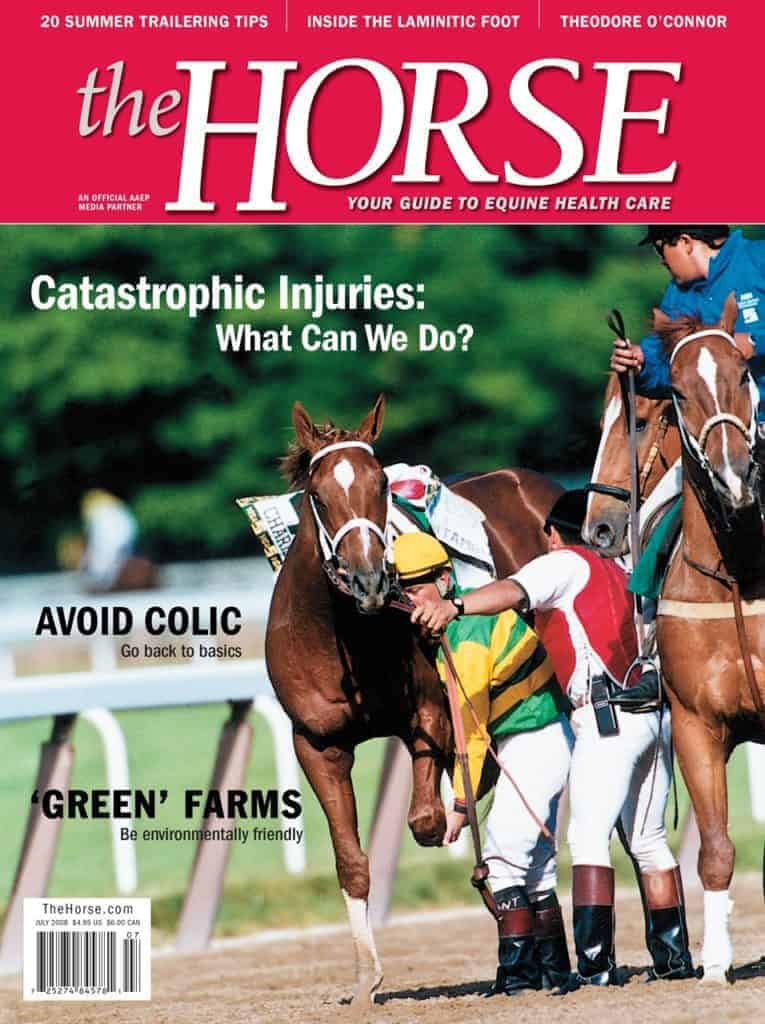
A necropsy revealed a pelvic fracture caused of death of the 1999 Horse of the Year.
Dr. Kyle Hebert allegedly supplied trainers with dermorphin, saying the drug would make horses “focus and run faster.”
The University of Illinois Analytical Forensic Testing Laboratory performs drug testing for the Illinois Racing Board.

Unrelated EHV quarantines remain in place at Keeneland Race Course’s Rice Road Training Center and Turfway Park.
Conference attendees will discuss what is and isn’t working in racing regulation.

Three former regulators will comprise the independent panel that will certify compliance with key integrity standards.
Ohio’s racing commission will review medications, out-of-competition drug testing, and RMTC and ARCI recommendations.
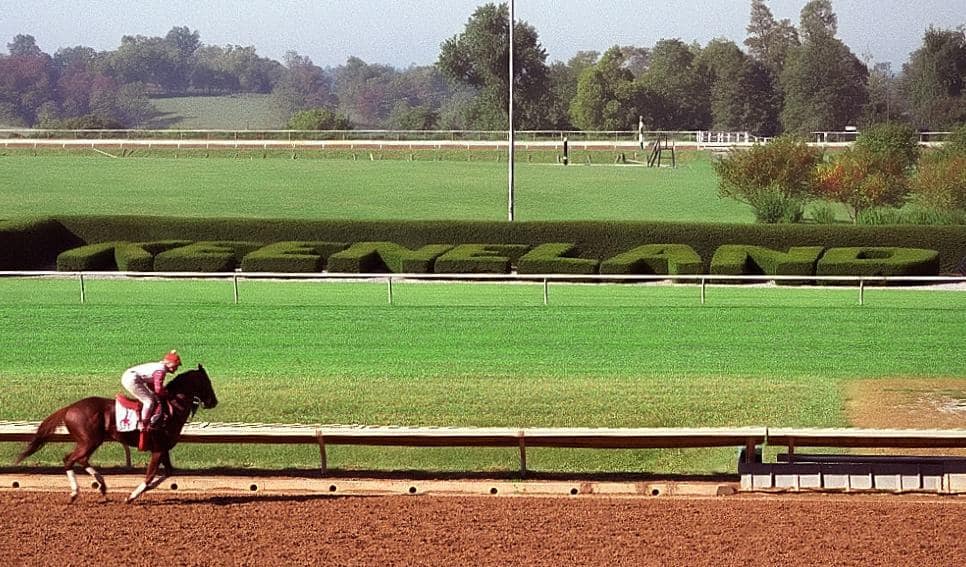
Four horses at Keeneland’s Rice Road Training Center have tested positive and were placed in isolation.

Connections of two contenders have pledged to support New Vocations Racehorse Adoption Program.
The alliance is designed to establish standards and practices to promote safety and integrity in horse racing.
As of Feb. 1 owners and trainers seeking to race horses in New York must view the video for licensure.

Two horses from one barn at Turfway and one horse at Keeneland have tested positive for EHV-1.
A Thoroughbred filly is isolated at a private farm while one barn at the Kentucky track is currently quarantined.