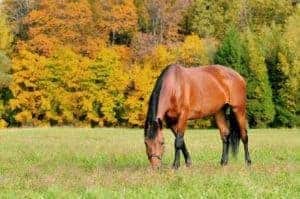
What’s in an Equine Supplement?
Here’s what current research, or lack thereof, is telling us about common equine supplement ingredients.

Here’s what current research, or lack thereof, is telling us about common equine supplement ingredients.

Infrared thermography (IRT) appears effective at measuring a horse’s skin temperature during water treadmill exercise.

Subjective clinical evaluation allows practitioners to detect mild lameness as well or better than objective methods.

Learn how vets are using an arthroscope that’s 1.3 mm in diameter and 100 mm in length to evaluate stifle problems.

Researchers are looking for ways to help aging equine athletes through so-called “satellite cells.”

This new technique could allow veterinarians to better evaluate equine joint cartilage.

Radiographs (X rays) and low-field MRI appear to be useful tools for diagnosing early-stage arthritis.
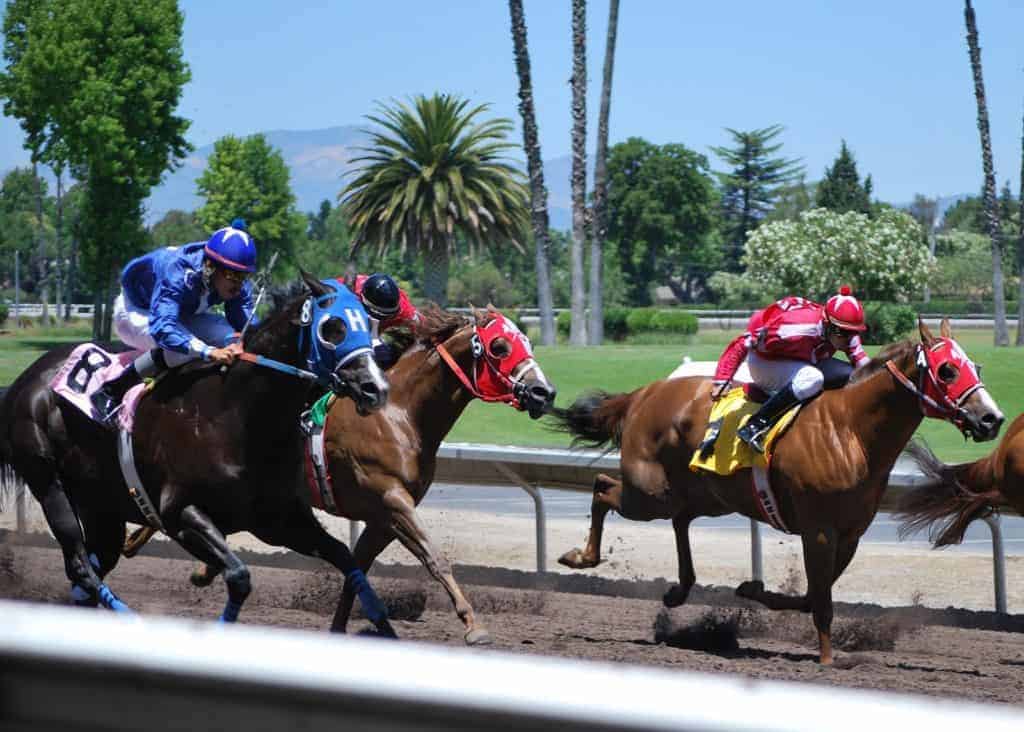
More than 56% of injuries occurred in the right forelimb, the opposite of what’s most commonly seen in Thoroughbreds.

Discover what flexing a joint can tell a veterinarian about a horse’s soundness.

From feeding and training to shoeing and warm-up protocols, learn how to keep your dressage horse fit to perform.

Find out how dynamic mobilization, core strengthening, and balancing exercises can help stabilize the horse’s spine and the fore- and hind limbs’ attachment to the body.

Shock wave is a noninvasive, nonsurgical therapy for orthopedic conditions. Learn how it can help your horse.

Joint disease causes lameness, impedes training, creates behavioral issues, and can end a horse’s riding career. From hoof care and nutrition to medical and supportive care, learn how to keep your horse comfortable and sound despite joint disease.

Equine muscle expert Dr. Stephanie Valberg explains the differences between these two diseases that cause horses to tie up.

Learn about how horse joints work and how you can keep your horse’s joints healthy with this step-by-step visual guide.

Have you ever wondered how a veterinarian would train and develop a horse? Find out from a veterinarian who’s also a Grand Prix dressage trainer and clinician.