Methods for Rehabbing Horse Joints
There’s not one particular approach for rehabilitating injured joints. Here are a few of the options vets have to use.

There’s not one particular approach for rehabilitating injured joints. Here are a few of the options vets have to use.

Certain muscular disorders, such as HYPP and PSSM, are common in horses because breeders have selected for specific traits, including enhanced muscle mass and metabolism economy.

The theory is that when the polyurethane pour-in packing absorbs the shock from the hoof impacting the ground, it prevents it from traveling further up the musculoskeletal system, where it could cause wear and tear injuries.

The ill-fated WEG endurance competition was abandoned amid delays, disruptions, and dangerous heat. Here’s a look back at what went wrong.
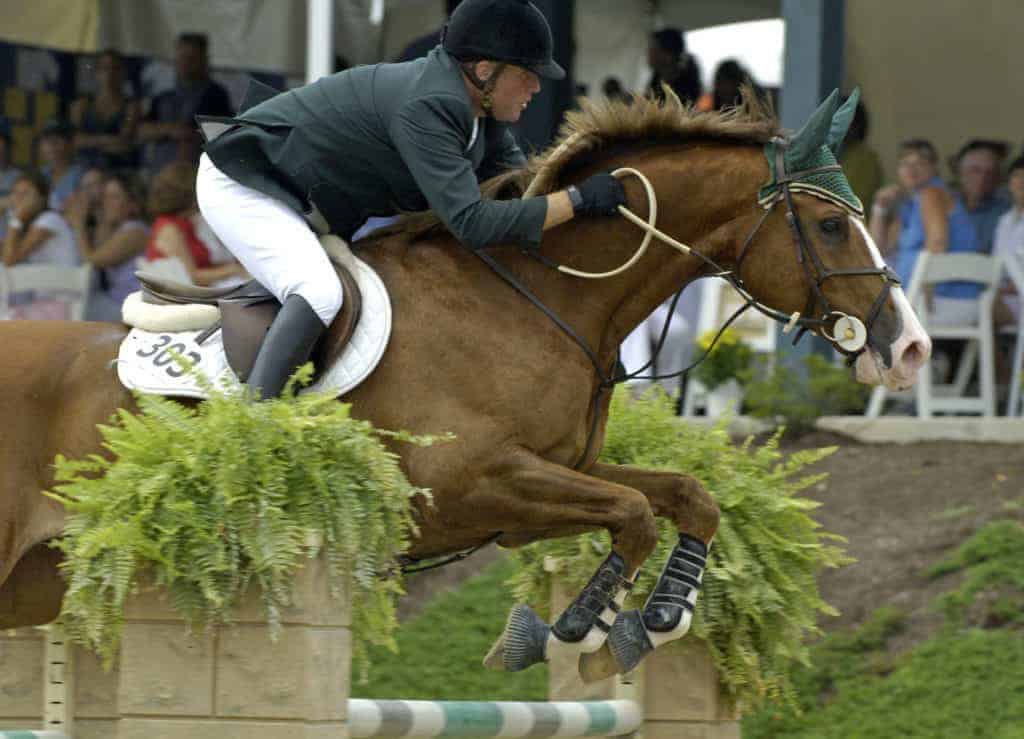
Good footing, proper conditioning, balanced nutrition, and careful attention to joints and soft tissues are key to maintaining eventers, hunter/jumpers, and dressage horses.

Researchers are examining inflammatory and anti-inflammatory markers’ efficacy as early indicators for potential catastrophic injuries in racehorses.

Critical conditions such as colic, injuries, and dehydration can strike when you’re at a competition with your horse. Here’s how to handle them.

Recent research suggests that bone scans in horses aren’t always accurate in diagnosing causes of lameness and poor performance in sport horses when used alone.

Find out how Claire Godwin, DVM, keeps her 27-year-old endurance horse PL Mercury in elite condition, from joint support to conditioning tactics.

Researchers have learned that fractured splint bone healing can be optimized by replacing metal screws with absorbable ones.

Researchers performed diagnostic imaging on Standardbreds’ limbs to pick up early signs of damage to bones, muscles, tendons, and ligaments. They noted more serious lesions—and more lesions in general—in horses trained only on a firm surface.

Trainers should be aware that joint injections can have many benefits, but veterinarians need to be careful about selecting cases to receive this treatment, one researcher said.

Once the biomarkers identified in this study are confirmed through more tests and larger samples, scientists might be able to develop treatments to prevent chronic pain, researchers said.

From reducing PPID-associated muscle wasting to managing IR and obesity, here’s what to consider for your old horse.

An average mature horse at rest or performing light exercise requires 3.5 milligrams of iodine per day. This increases in late gestation, lactating broodmares, and horses in heavy work.

Funtional electrical stimulation, or FES, might help reduce back pain in horses with asymmetric multifidi muscles, researchers found.