Hoof Conformation, Balance, and Hind-Limb Lameness in Horses
Researchers recently identified a link between hind-limb lameness and coffin bone angles, which they said has not been previously described in horses.

Researchers recently identified a link between hind-limb lameness and coffin bone angles, which they said has not been previously described in horses.
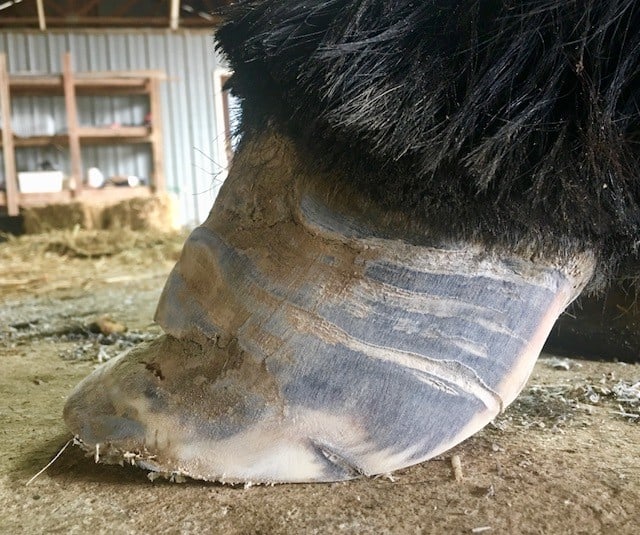
Also known as “buttress foot,” this condition primarily affects horses with poor leg conformation in high-impact disciplines. A veterinary podiatry expert explains.

Researchers found no apparent link between previous surgery and catastrophic injury, but they did identify associations with medication use and lameness.

A recent comparison of diagnosis and treatment of back pain in horses a decade apart has highlighted the way riders and veterinarians alike have evolved in their awareness and management of this condition.

What kind of physical damage can be done when a horse pulls back violently? A sports medicine practitioner weighs in.

Osteoarthritis can hinder and even end the athletic careers of otherwise healthy horses. Learn more about early intervention and management during our webcast.

Most modifications made to the traditional distal limb compression bandage did not appear to improve their efficacy, researchers found.

When veterinarians applied a compression bandage to the horse’s pastern before administering a palmar digital nerve block, the drugs remained localized to the hoof rather than spreading further up into the leg.

Dr. Stephanie Valberg explains how five major advancements in veterinary technology have helped her and others learn more about and discover new equine muscle disorders.
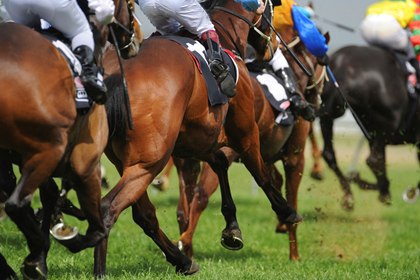
Researchers have discovered the inner workings of a known “speed gene” in Thoroughbred racehorses, which directly affects skeletal muscle growth and, in turn, race distance aptitude.

Neck pain in horses remains challenging for veterinarians to diagnose and treat, but new options are on the horizon, one practitioner says.

Before you take the plunge, learn what to be wary of as well as what to expect when choosing an ex-racehorse.

In the first of this two-part series, we’ll explore full-body rehabilitation options, from the horse’s head to tail.
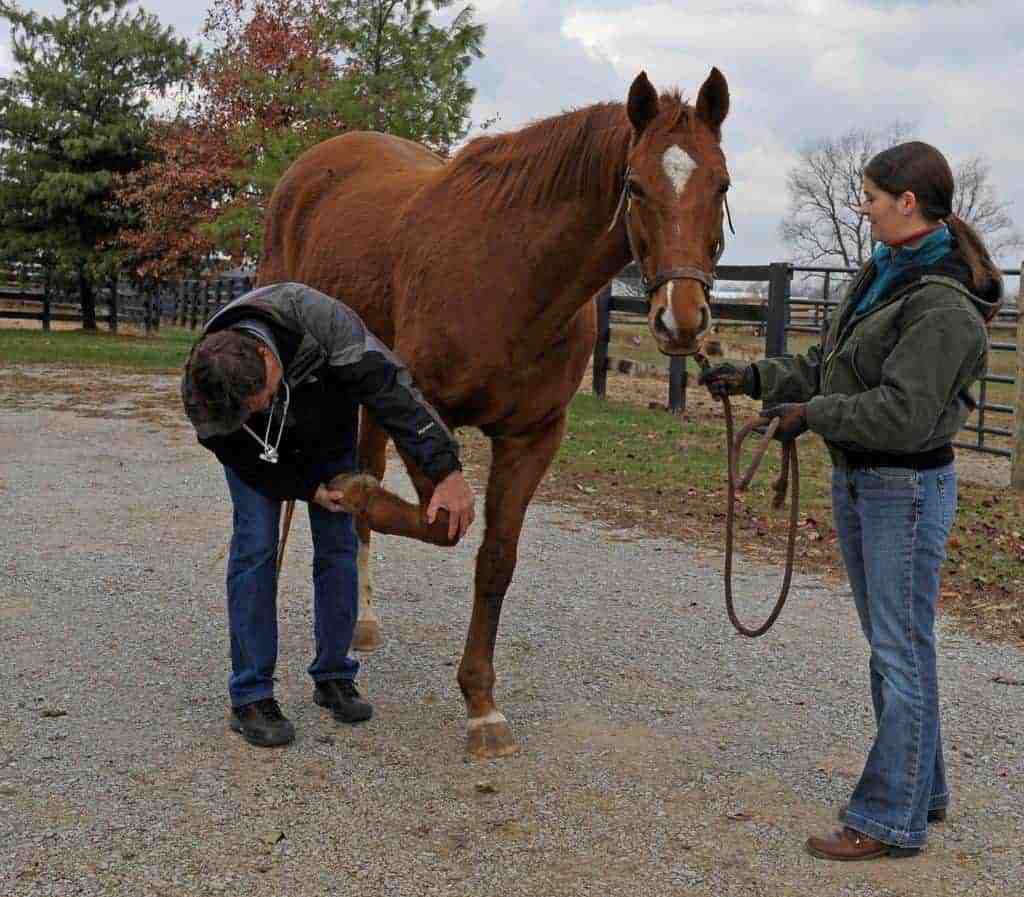
A vet weighs in on what might cause a well-conformed senior mare to become over at the knee and fall during a ride.
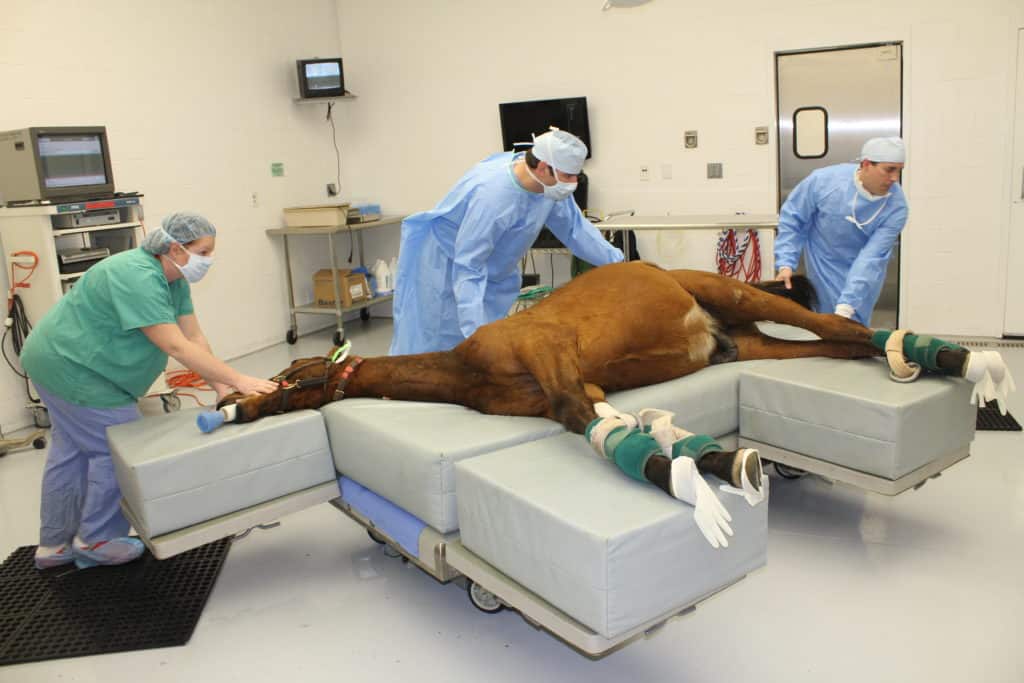
Irish scientists recently tested a new OCD repair method that’s based on the idea of replacing the damaged tissue with healthy tissue.

Cranial nuchal bursitis occurs when nuchal ligament (located near the horse’s poll) bursae become inflamed and sometimes infected. It generally causes pain, limited head and neck flexion, and poor performance.