Clostridial Myositis in Horses
Clostridial myositis is a rare but serious bacterial infection, which causes inflammation and death of muscle and release of bacterial toxins into the bloodstream.

Clostridial myositis is a rare but serious bacterial infection, which causes inflammation and death of muscle and release of bacterial toxins into the bloodstream.

Researchers say the mutation responsible for the sometimes-fatal muscle condition immune-mediated myositis (or IMM) is just as common, if not more so, than at least two other well-known genetic diseases in Quarter Horses: HERDA and HYPP.

Whatever your horse’s job, his joints keep him moving. But osteoarthritis can stop a horse in his tracks. Here’s what to know about this debilitating condition.

Research suggests that bisphosphonates can effectively help control clinical signs associated with navicular syndrome in horses, but there’s less research on off-label use. Here’s what to know.

Arthroscopic pastern bone chip removal in horses had no significant impact on Thoroughbreds’ racing performance, researchers found.

Address the entire horse, not just the injury, when bringing a patient back to work, veterinarians say.

Some horses with neuromuscular disease could have a protozoan parasite Sarcocystis fayeri in their skeletal muscles, researchers learned.

Experts share information about the steps needed to identify PSSM, how to distinguish between the types, and recommendations for managing affected horses.
Intra-articular (administered into the joint) polyacrylamide hydrogel helped decreased lameness in horses with naturally occurring arthritis, researchers found.

Bisphosphonates are FDA-approved for controlling clinical signs associated with navicular syndrome in horses ages 4 and older. Some veterinarians use them off-label to treat other equine bone issues. But could this off-label use be detrimental? One equine veterinarian recently gave a rundown on what research says.

Researchers confirmed that ultrasound is a useful and economical screening tool to identify humeral stress fractures and can be used with radiography to monitor healing.

How does a trainer explain a retired racehorse’s previous injury to a potential buyer? Two veterinarians and a three-day eventer weigh in.

Learn about this stifle problem that can cause the hind limb to become locked in extension.
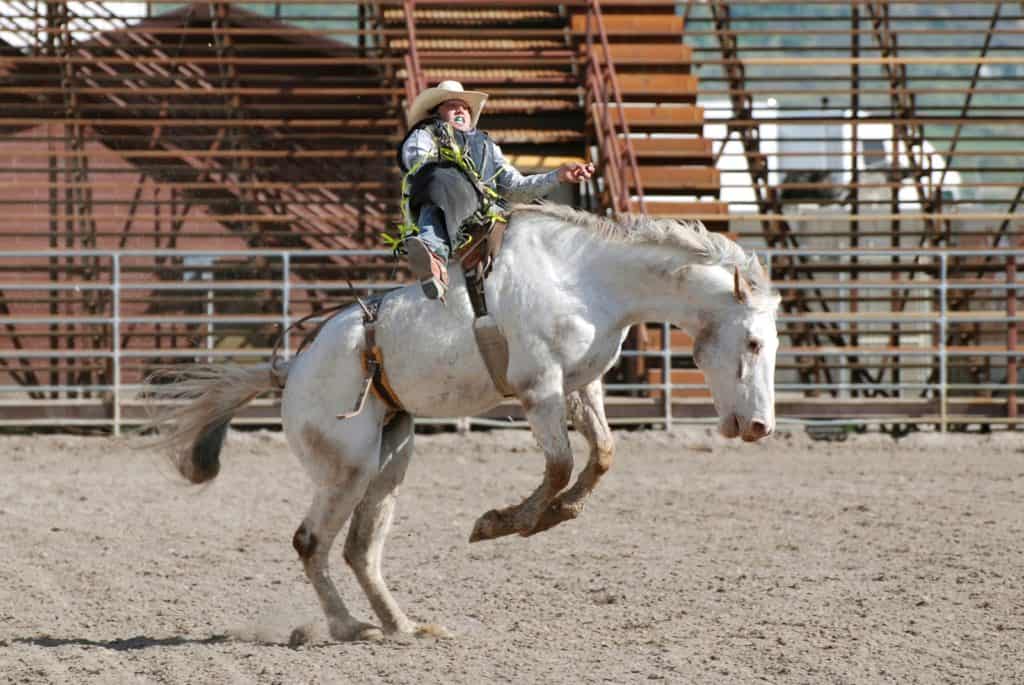
Learn more about the equine athletes that compete at rodeo events, the types of injuries they are prone to, and how veterinarians nurse them back to health.

Attention to certain details during exams and careful consideration of test results can help a veterinarian arrive at a diagnosis, making way for an appropriate management.

Determining why a horse isn’t performing up to expectations can be a time-consuming and tedious process. One veterinarian shares how she approaches these cases.