Reducing Horse Racing Fatalities: Where Do We Go From Here?
Fatal injuries in North American flat racing horses has decreased by 23%, but there’s still work to be done.

Fatal injuries in North American flat racing horses has decreased by 23%, but there’s still work to be done.

Dr. Elizabeth Santschi recaps research on hock injections, nerve blocks, castration, osteochondral lesions, and more.

Learn about keeping OTTBs healthy and happy as they move into new disciplines. We’ll cover feeding, vet care, handling, and more!

Get tips and information on considerations for choosing and transitioning racehorses for second careers.

Footing is one of the most common factors cited when a horse performs poorly or suffers an injury.

Lameness was the most common issue ride vets found, but 48% of affected horses had no further vet exams or treatment.

Laboratory results show the stem cells can differentiate into fat, bone, cartilage, and muscle tissue.

Possible discussion topics include joint treatments and injections, detailed equine health records, and more.

This part of the study details behavioral pain markers, including head tossing, unwillingness to go forwards, and more.

Nearly 75% of horses in a recent study had significant motion asymmetry but were sound according to their owners.

Plunging temperatures, snow, and freezing rain can trigger joint discomfort. Here’s how to keep your horse comfortable.
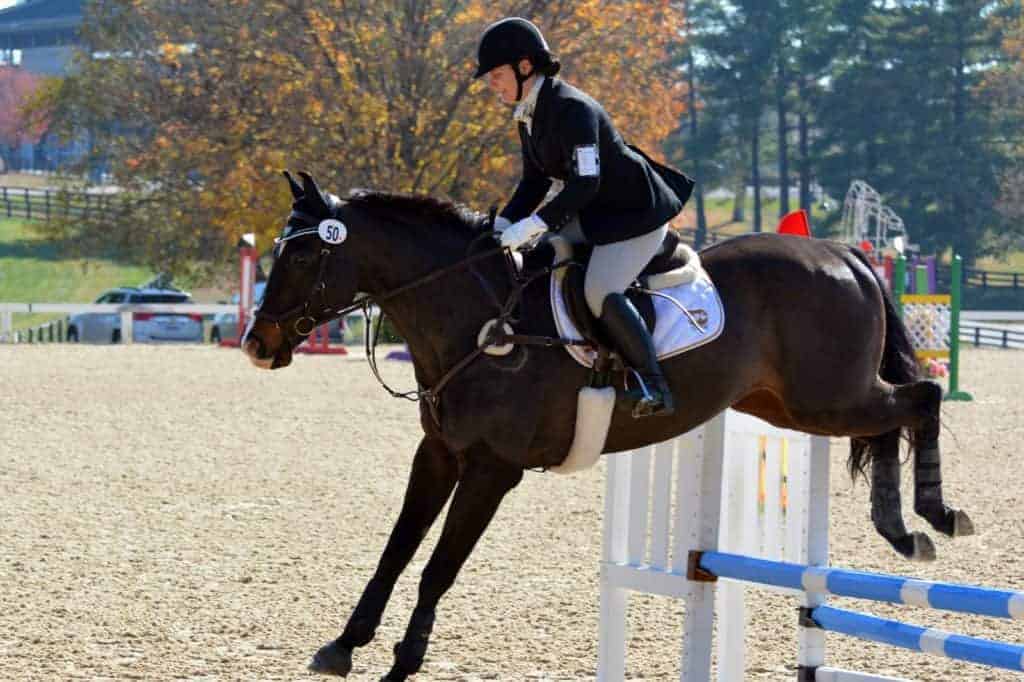
Find tips on how to extend horses’ “health spans,” maximize performance years, and maintain a good quality of life.

Of the 515 respondents, 232 (45%) said they use joint supplements to help keep their arthritic horses comfortable.

Pharmacological osteoarthritis therapy focuses on preventing or reducing pain and improving joint function.
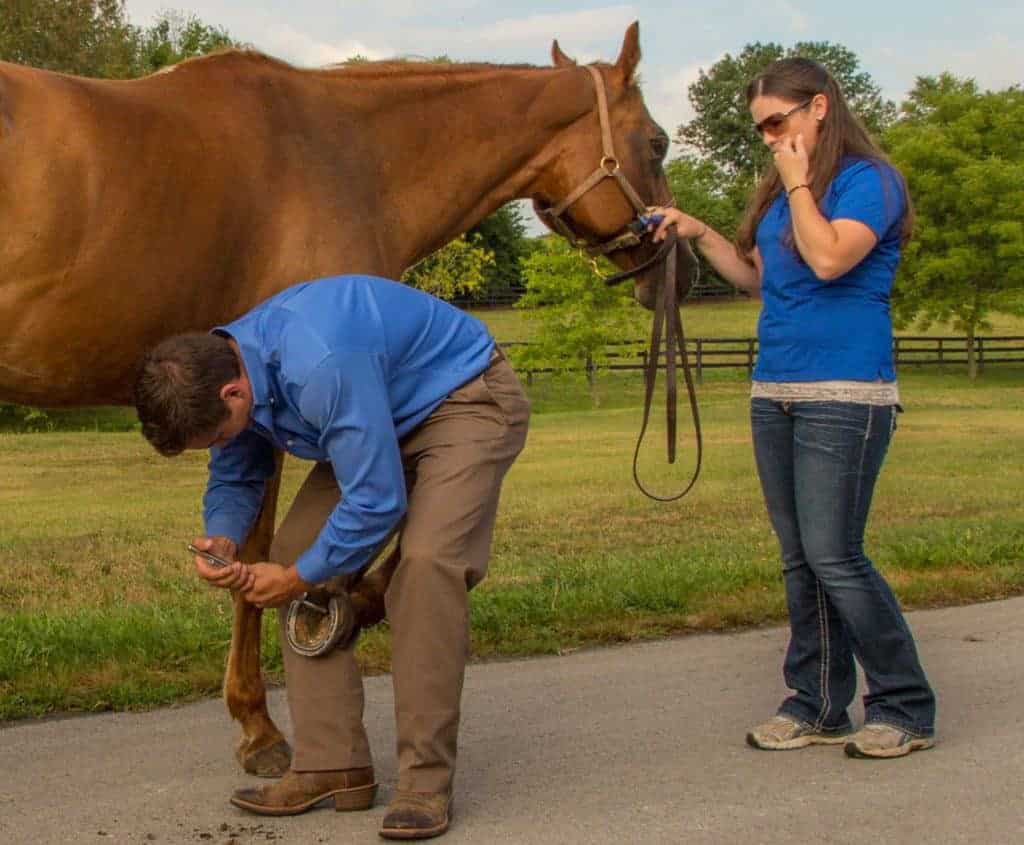
Of the 755 respondents, 209 (28%) said foot-related lameness is their biggest equine lameness concern.

Scientists say Friesians benefit from specific exercise regimens and warmups based on their anaerobic threshold.