Fixing Neck Fractures in Horses? It’s Possible
A horse with a vertebral fracture without severe neurologic disorders could be a good candidate for surgical repair.

A horse with a vertebral fracture without severe neurologic disorders could be a good candidate for surgical repair.

Whether you’ve had horses all your life or are new to the industry, you’re bound to deal with lameness at some point.

Learn what your horse needs in his diet and exercise program to help develop a well-muscled topline.

Diet, exercise, biomechanics, and genetics all play a role in disease development, researchers say.

Medication and diagnostic analgesia are only effective if veterinarians put them in the right place, so accuracy is key.

Veterinarians share their experiences in delivering pain management and discuss the pros and cons of various drugs.
Neil Mittelman, DVM, and Holly Stewart, VMD, will present a joint lecture on March 1 at the New Bolton Center.

Recent study results suggest that shock wave can help horses return to function faster than surgery or rest alone.

For years veterinarians’ options were limited, but new products are helping them control horses’ pain better than ever.

Though the overall prognosis isn’t great, some foals with incomplete ossification can race if managed properly.

Studies focused on ophthalmology, gastrointestinal disease, foal medications, pain management, and more.

Horses treated with regenerative therapy healed eight-and-a-half months faster than those undergoing surgery alone.

Recaps of studies on colic outcomes, treatments for joint problems, respiratory surgery, and more.
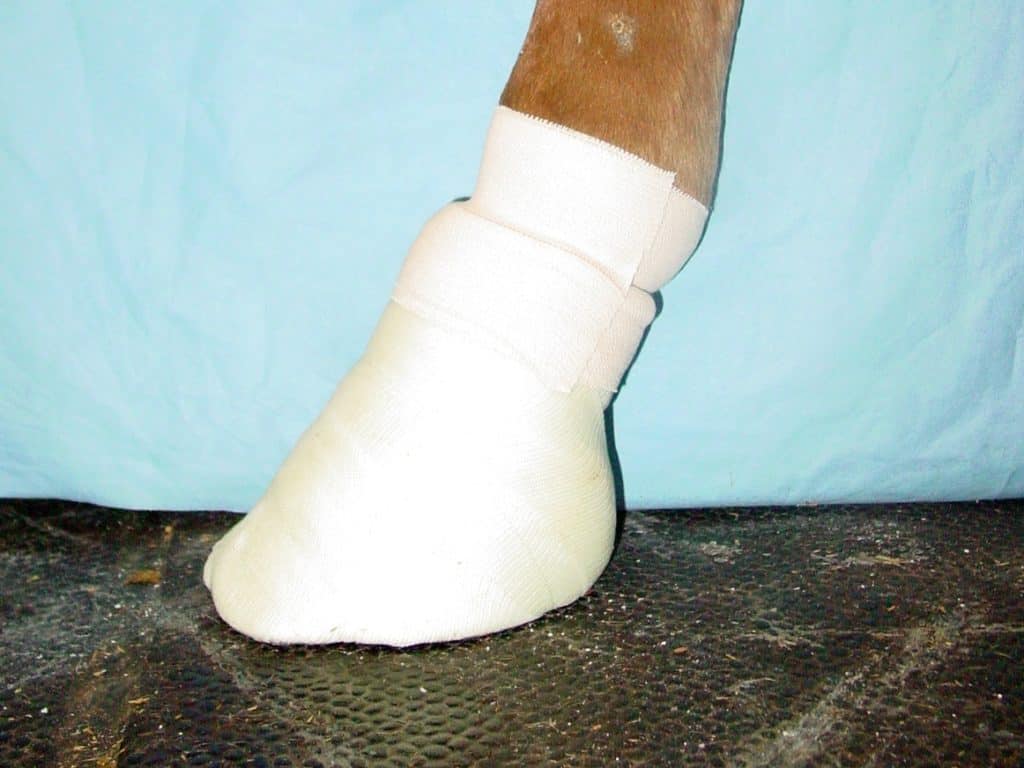
Hoof casts immobilize joints, maintain the hoof-pastern axis, reduce the need for frequent bandage changes, and more.

A recap of studies on topics ranging from prostaglandin treatment of mares to semen quality in stallions.
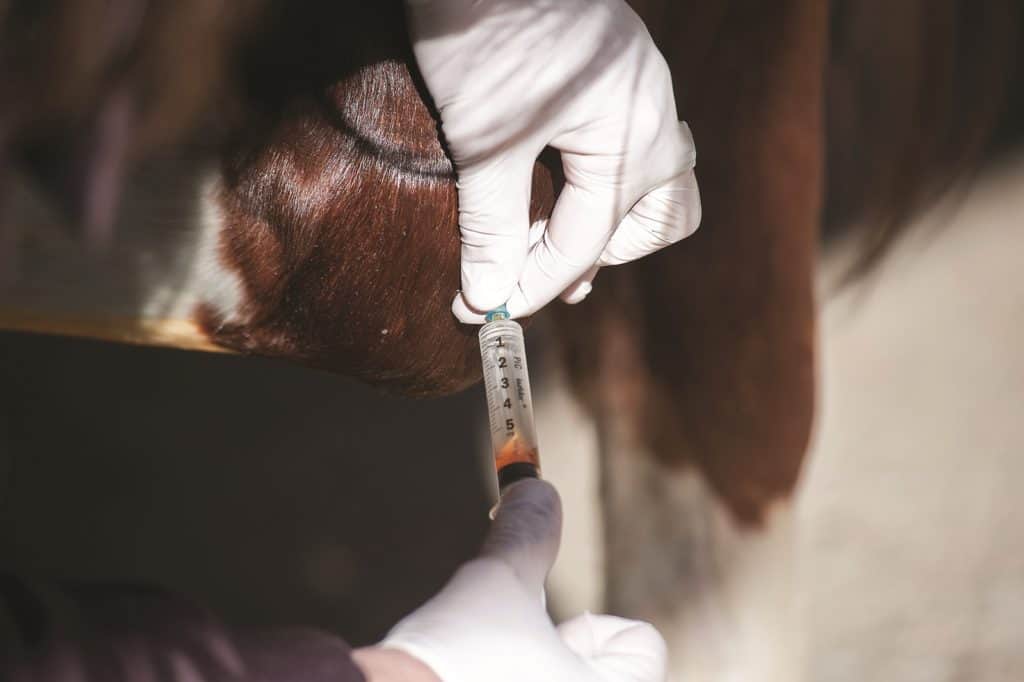
Using one stall-side SAA test to evaluate synovial fluids can be a useful adjunct to diagnosis, researchers found.