Consider SDFT Attachment Problems in Lame Horses
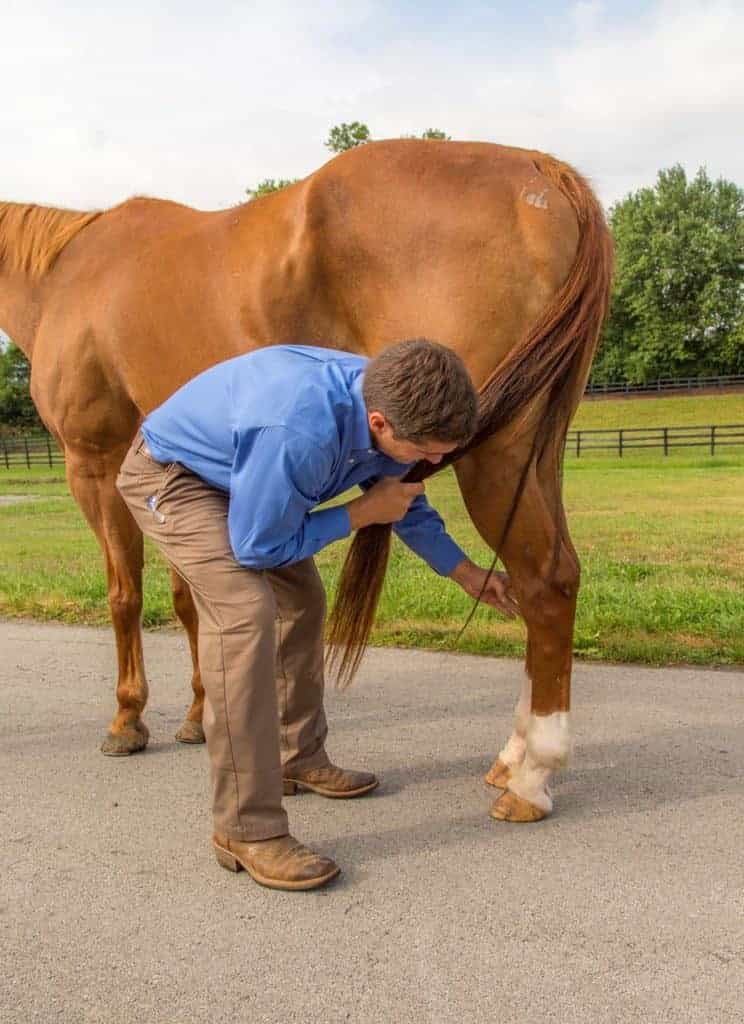
If a horse is hind-limb lame, consider issues where the superficial digital flexor tendon (SDFT) attaches to the hock.

If a horse is hind-limb lame, consider issues where the superficial digital flexor tendon (SDFT) attaches to the hock.

One vet says early treatment and rehabilitation techniques are key to successful platelet-rich plasma (PRP) therapy.

A veterinarian weighs in on radiographs, nuclear scintigraphy, and standing MRI for diagnosing subtle lamenesses.

From selecting a horse to rehabbing and feeding him, learn how to transition an ex-racer to life as a riding mount.

Veterinarians, avoid these common mistakes to make the most out of your nerve blocks during lameness exams.

Here’s what current research, or lack thereof, is telling us about common equine supplement ingredients.

Infrared thermography (IRT) appears effective at measuring a horse’s skin temperature during water treadmill exercise.

Subjective clinical evaluation allows practitioners to detect mild lameness as well or better than objective methods.

Learn how vets are using an arthroscope that’s 1.3 mm in diameter and 100 mm in length to evaluate stifle problems.
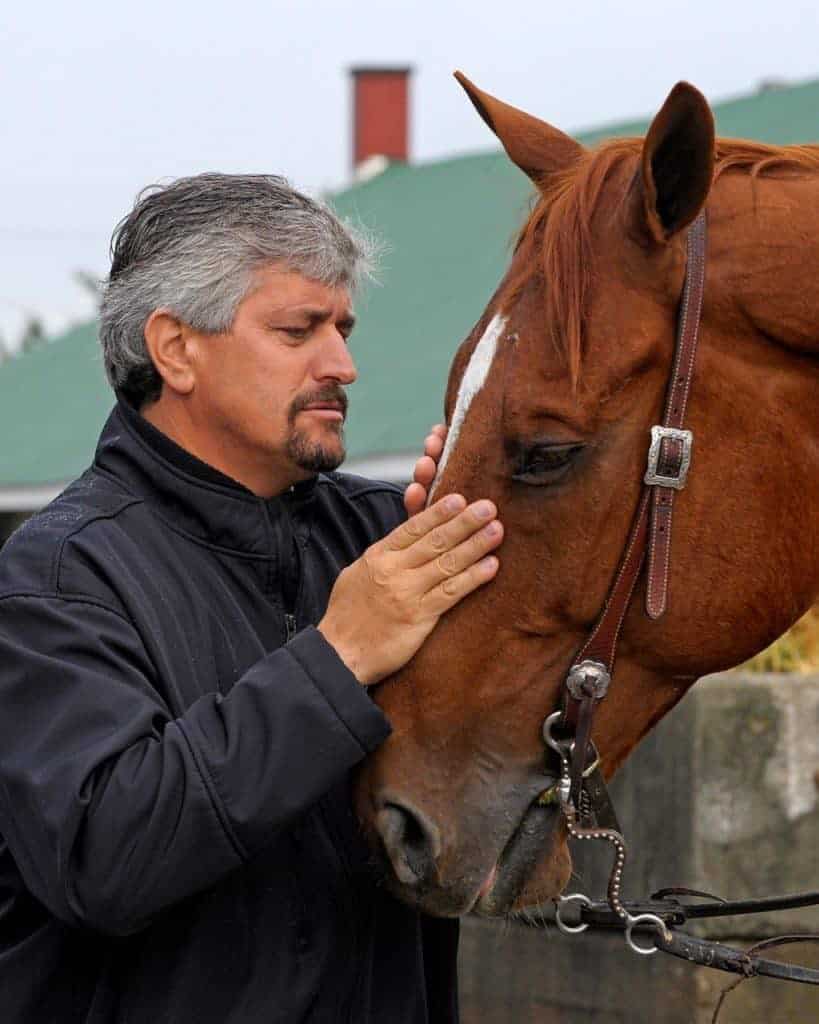
Steve Asmussen’s horses have not suffered a single catastrophic breakdown in 721 Kentucky starts the past four seasons.

Sixteen catastrophic breakdowns occurred in 2014, the lowest number since the state began tracking such statistics.

Researchers are looking for ways to help aging equine athletes through so-called “satellite cells.”

This new technique could allow veterinarians to better evaluate equine joint cartilage.

Pretreating an area with microneedles resulted in a 170% increase in the amount of lidocaine that permeated the skin.

Over the years there’s been a trend toward declining average starts for racehorses. Dr. Horohov presents possible reasons why.

Radiographs (X rays) and low-field MRI appear to be useful tools for diagnosing early-stage arthritis.