CHRB Medication Committee Names Advisory Panel
The panel will provide insight on various health issues for the CHRB Medication and Track Safety Committee.

The panel will provide insight on various health issues for the CHRB Medication and Track Safety Committee.
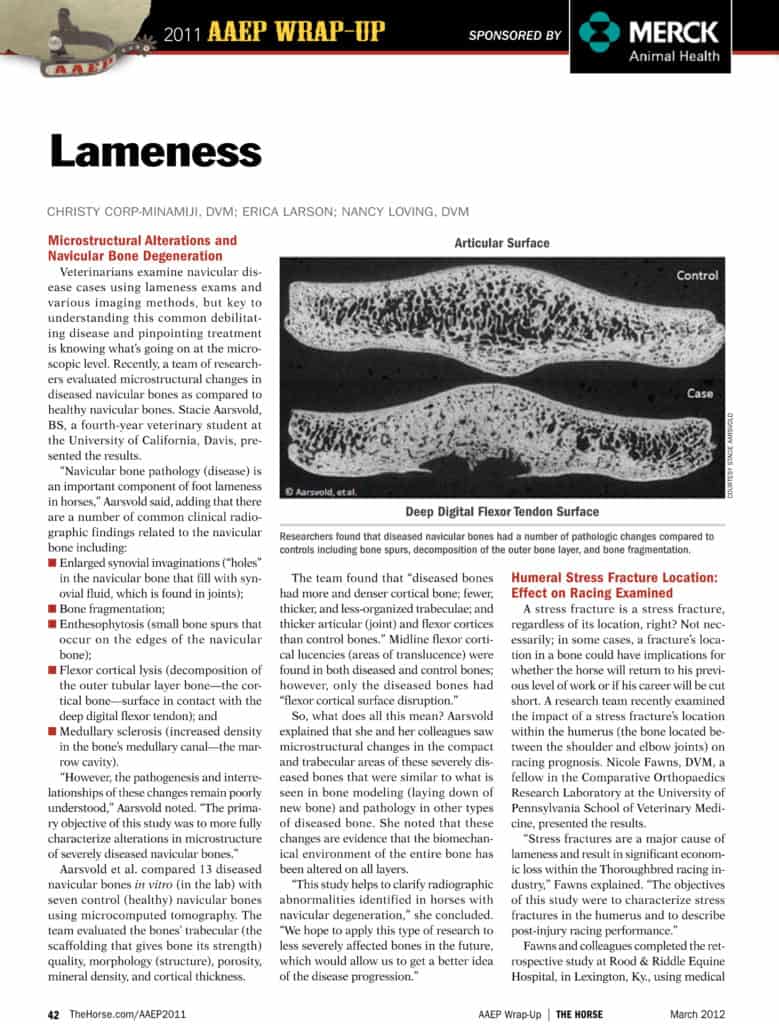
Developments in equine lameness research, discussed during the 2011 AAEP Convention in San Antonio, Texas. Topics included tendon/ligament injuries, microstructural alterations, navicular bone degeneration, bone marrow-derived stem cells, and more.

More than a dozen racetracks have committed to publishing their statistics from the Equine Injury Database.

One researcher concluded that when dosing PBZ in the horse, “More is not better. Less is less effective.”
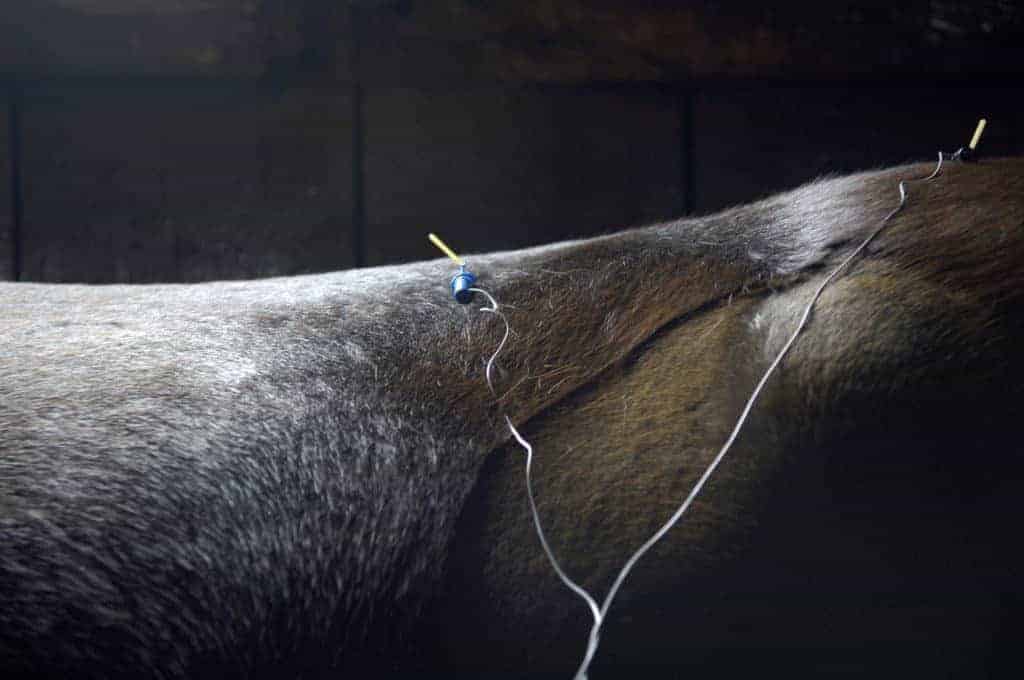
Clinical trials still yield a mixed bag of results for acupuncture’s efficacy in treating equine ailments.
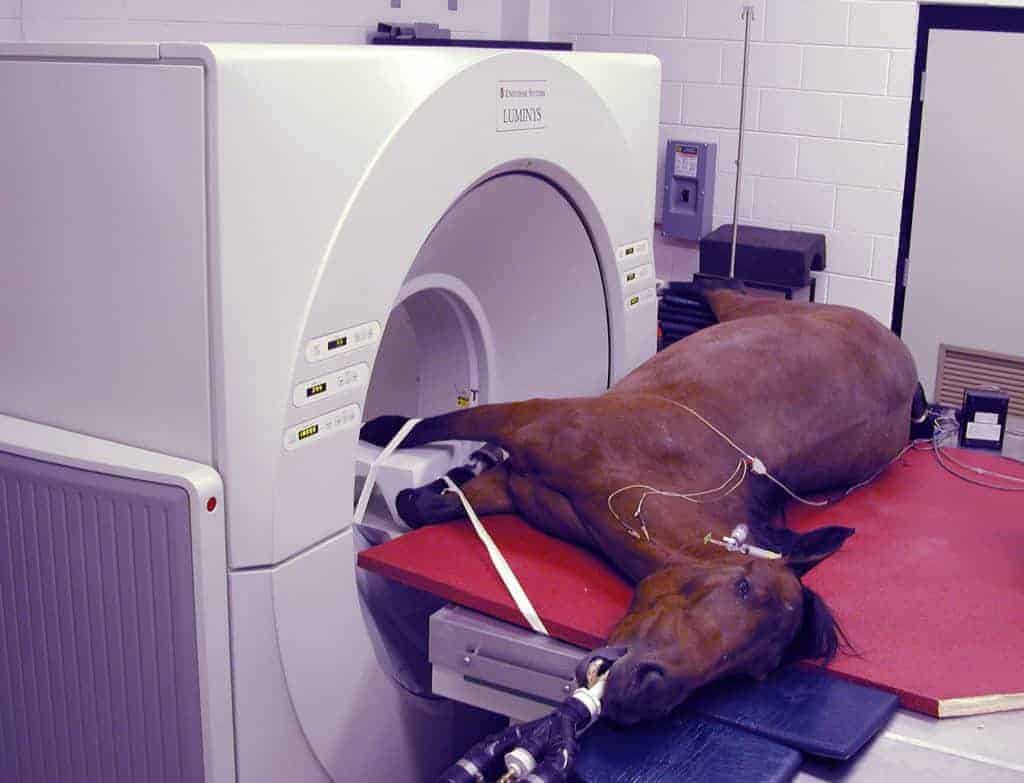
Researchers have discovered ways to identify horses that might be predisposed to fracturing their limbs.

Previous studies failed to achieve in horses what are considered therapeutic tramadol plasma levels in humans.
It’s beneficial to look at biomarkers that reflect changes in cartilage as well as the joint capsule and bone.
On March 6, New Bolton Center will present “Suspensory Ligament Diseases in the Performance Horse.”

A physical therapy program is owner- and horse-intensive in terms of time and energy for successful outcomes.
The location of the fracture in the humerus impacted racing performance but had no effect on return to racing.
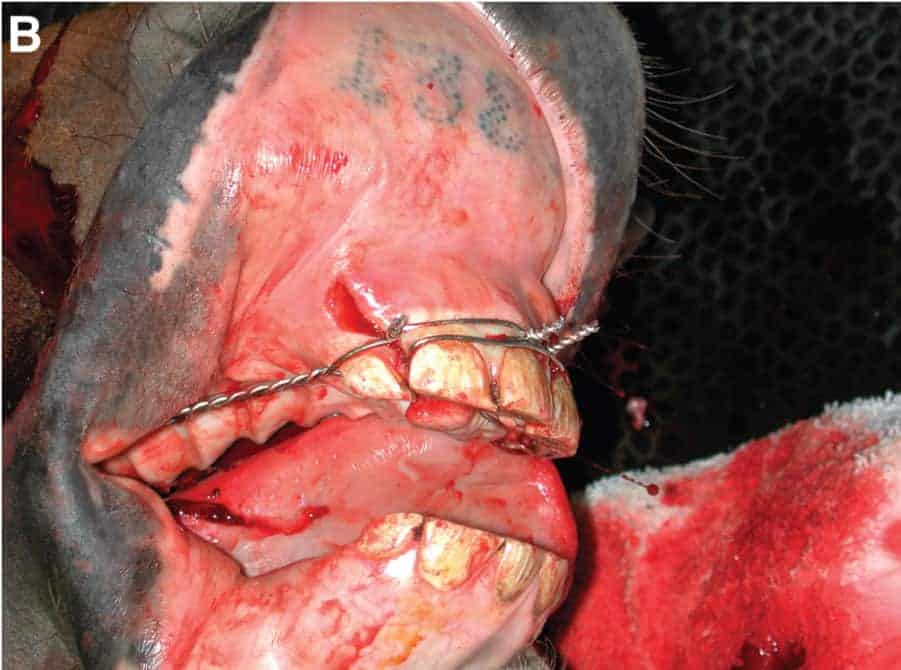
Despite their ghastly appearance most jaw fractures can be repaired relatively easily in a field setting.
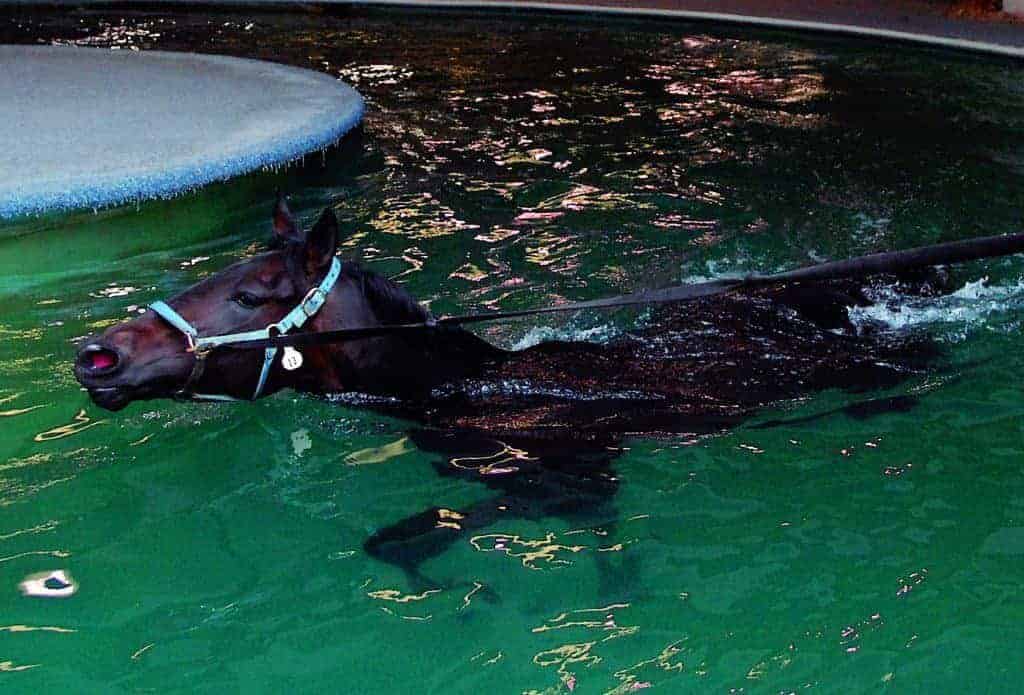
Veterinarians can prescribe aquatic therapy in the form of swimming pools or underwater treadmills.
Mixed study results indicate more research is needed to determine dosing frequency and therapeutic window.
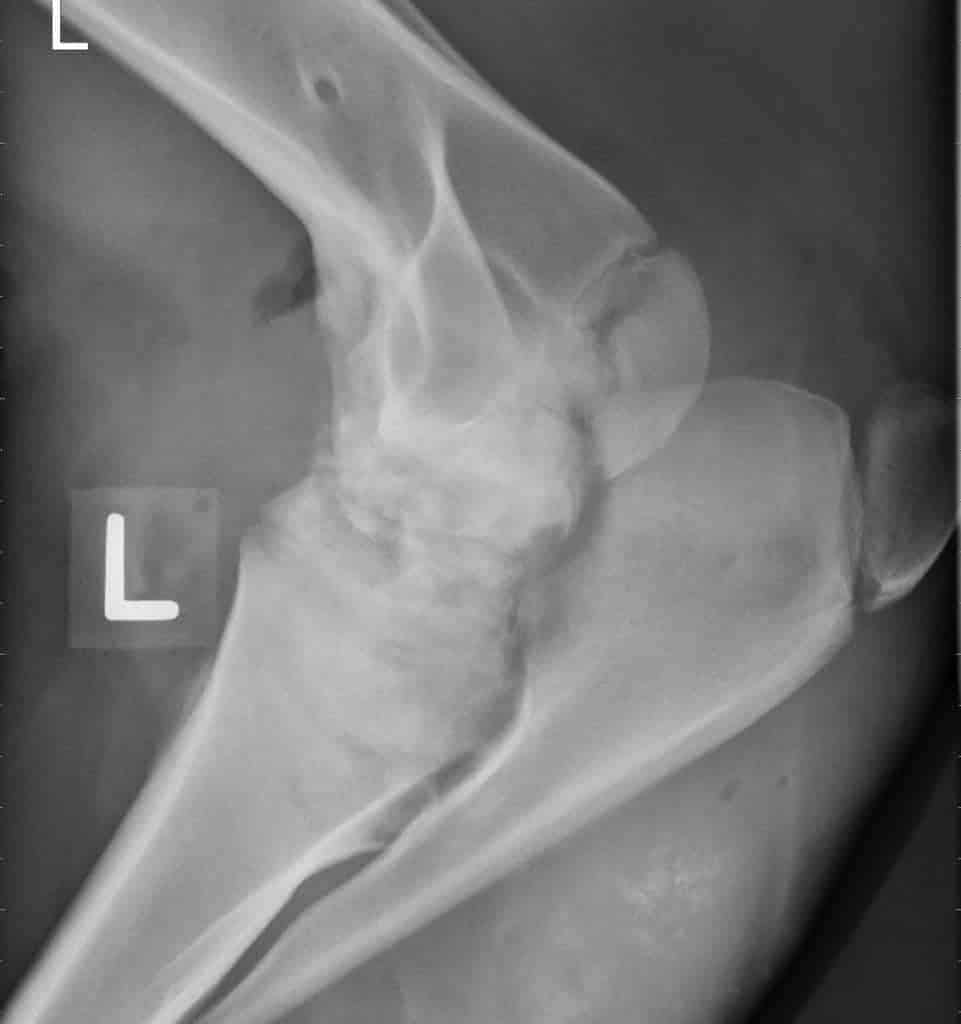
Treatment goals should be to aid in performance without eliminating the joint’s natural response to injury.

Kissing spines are more likely to cause clinical problems in certain breeds, disciplines, and age groups.