Study: Most X Ray Abnormalities Don’t Delay Racing Careers
Only enlarged proximal sesamoid bones were identified as being a risk for delaying a 2-year-old’s first start.

Only enlarged proximal sesamoid bones were identified as being a risk for delaying a 2-year-old’s first start.
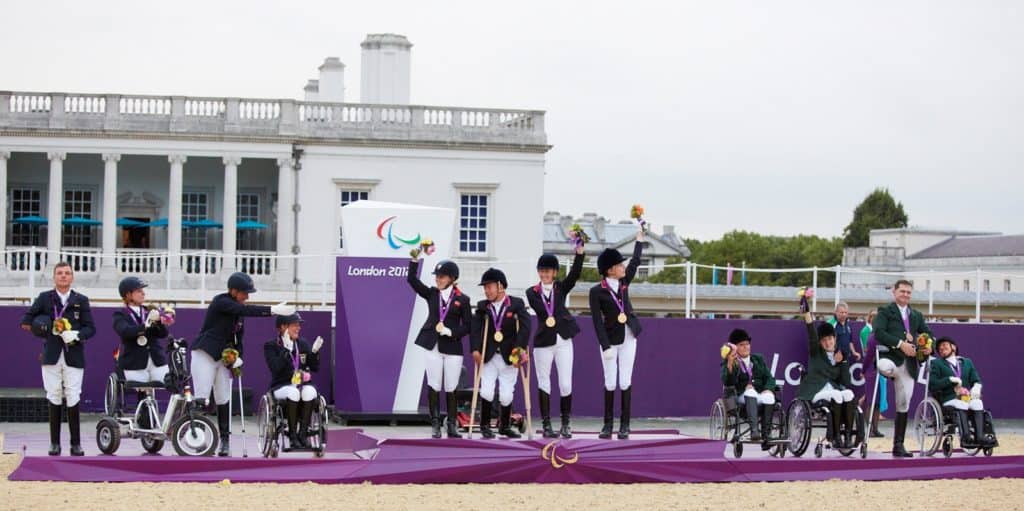
Para-equestrians from 29 nations will compete for the most coveted medals in the sport starting on Sept. 11.

The degree of hypertension some study horses developed could possibly result in serious complications, scientists found.

Your veterinarian will decide which NSAID is best for your horse. Always adhere to his or her administration guidelines.

The roundtables will take place Oct. 27-28 at the Kentucky Horse Park during the Thoroughbred Makeover.
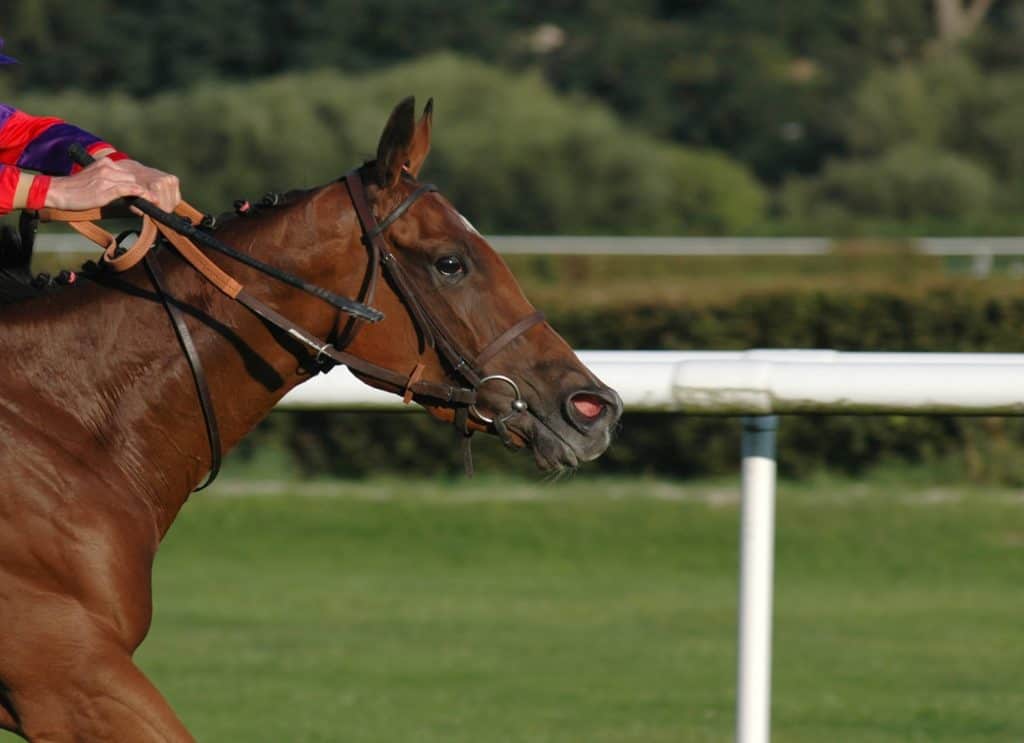
David Poole, PhD, DSc, of Kansas State University, presents information about horses’ oxygen transport pathway.

Funds from race sponsorships will support Grayson-Jockey Club Research Foundation equine research.

Researchers could not identify a positive relationship between inflammation and obesity or insulin resistance in horses.

A total of 60 equine samples–30% of the 200 competing horses–were tested during the Games.

Cui’s research focused on understanding more about the pricing of Thoroughbreds at public sales.

Researchers hope to reduce the risk of racehorse fatalities on the track.
The public meeting is part of the commission’s efforts to drive attention and resources to racehorse retirement.

Hot topics include digestion, metabolism, soft tissue injuries, and inflamm-aging.

Do you feel unsafe with your horse when you’re on the ground or riding? Our behavior and vet experts are here to help!

Up to 68% of Thoroughbred racehorses have evidence of EIPH post-exercise.
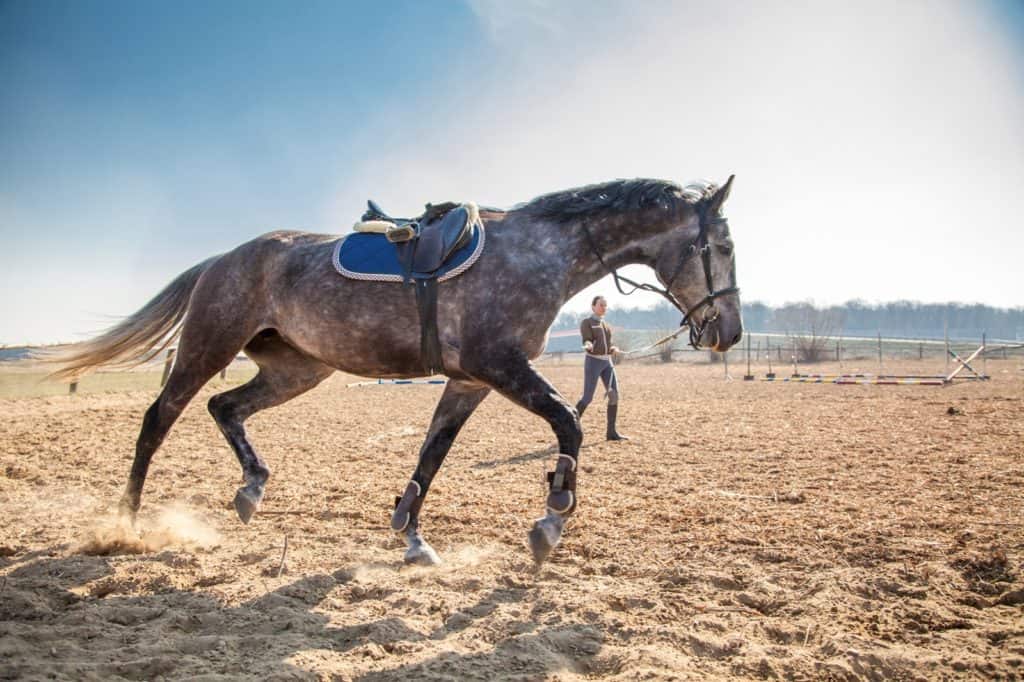
I’m worried about putting too much stress on my 3-year-old’s body. When is it safe to ride her on a regular basis?