NTRA Approves Safety, Integrity Code of Standards Updates
Updates include a January 2019 deadline for total compliance with the National Uniform Medication Program.

Updates include a January 2019 deadline for total compliance with the National Uniform Medication Program.

Researchers found that jumping at shows two weekends in a row did not allow horses adequate muscle recovery.

A look at noninvasive high-tech therapies–from lasers to ceramic-thread blankets–and how they might help horses heal.
Lecture topics will include neurologic and orthopedic problems, imaging techniques, and treatment and rehab options.
Horses consuming the supplement following joint injections were less lame than control horses, researchers found.

The ARCI is seeking input on what industry members identify as problems in horse racing and how to address them.
Houkoumi G tested positive for O-desmethyltramadol after finishing third in an endurance ride in September.

Using sensible strategies, we can help keep equine joints healthy and capable of withstanding athletic demands.
Drs. Tim Parkin and Sarah Plevin describe studies focused on predicting injury before it occurs.

Bone turnover in horses rested after intense training was better than in those in consistent intense work.

A French genetics team determined a common breeding pool is not only realistic but also preferable.

An extract from blue-green algae—a potentially toxic substance—could help arthritic horses without poisoning them.

Look for educational articles and social media posts on keeping equine joints and bone healthy, Oct. 9-15.
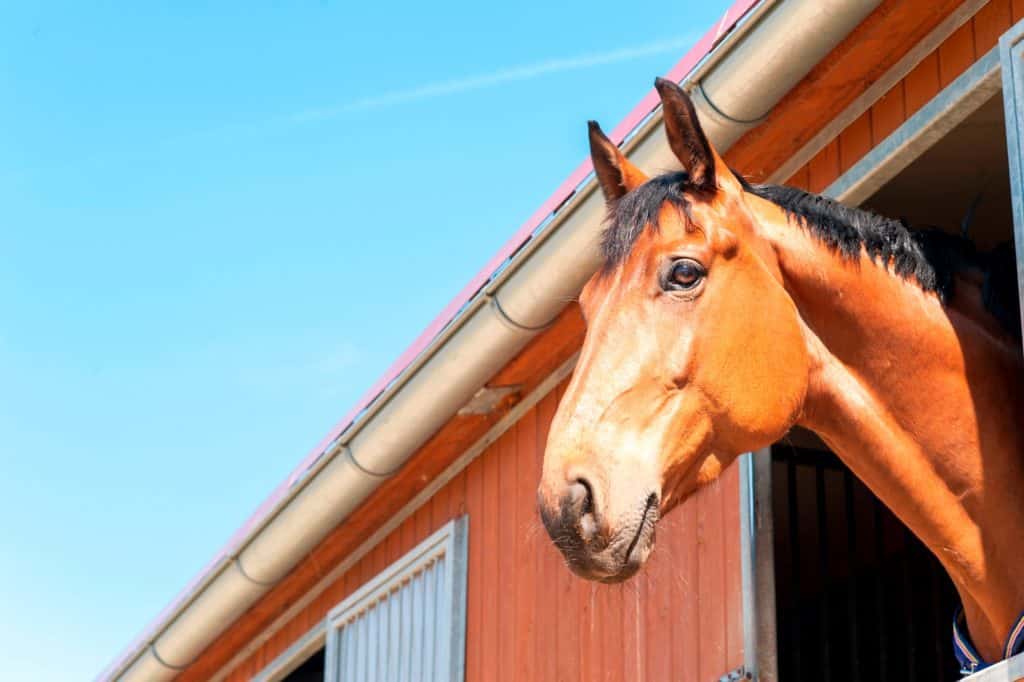
The British survey results also suggest that lamenesses are more likely to originate in the limb than in the foot.

Assess your horse’s body condition regularly so you can adjust his diet accordingly and identify potential problems.

This means back-to-back clean Paralympic games (London 2012 and Rio 2016) for para-equestrian participants.