TCA Announces Award of Merit Winners for May
The award recognizes individuals or groups working to provide a better life for Thoroughbreds or those caring for them.

The award recognizes individuals or groups working to provide a better life for Thoroughbreds or those caring for them.

The top two finishers at an event in Doha earlier this year have tested positive for human erythropoietin (EPO).
Glaucine, thought to have bronchodilatory and anti-inflammatory properties, is found in the tulip poplar tree.

Find out how feeding recommendations and diets for performance horses have changed over the years.
The Thoroughbred Aftercare Alliance and Thoroughbred Retirement Foundation work to improve racehorse aftercare.

Elzinga hopes to gain a better understanding of mechanisms that could predispose a horse to developing laminitis.

Researchers in the club’s Racing Laboratory are studying biomarkers for use in drug testing.

From feeding to vaccines and colic to lameness, here are some basic resources to get the new horse owner started.

The Race Assured team presented a blood test which could predict injuries in horses well before serious problems occur.

PET reveals activity at the molecular level and detects changes in tissue before the size or shape is modified.

Take a look at some commonly fed supplements and the theories behind their use.

Meanwhile, Uncle Lino was vanned off following the race with what appears to be a minor tendon injury.
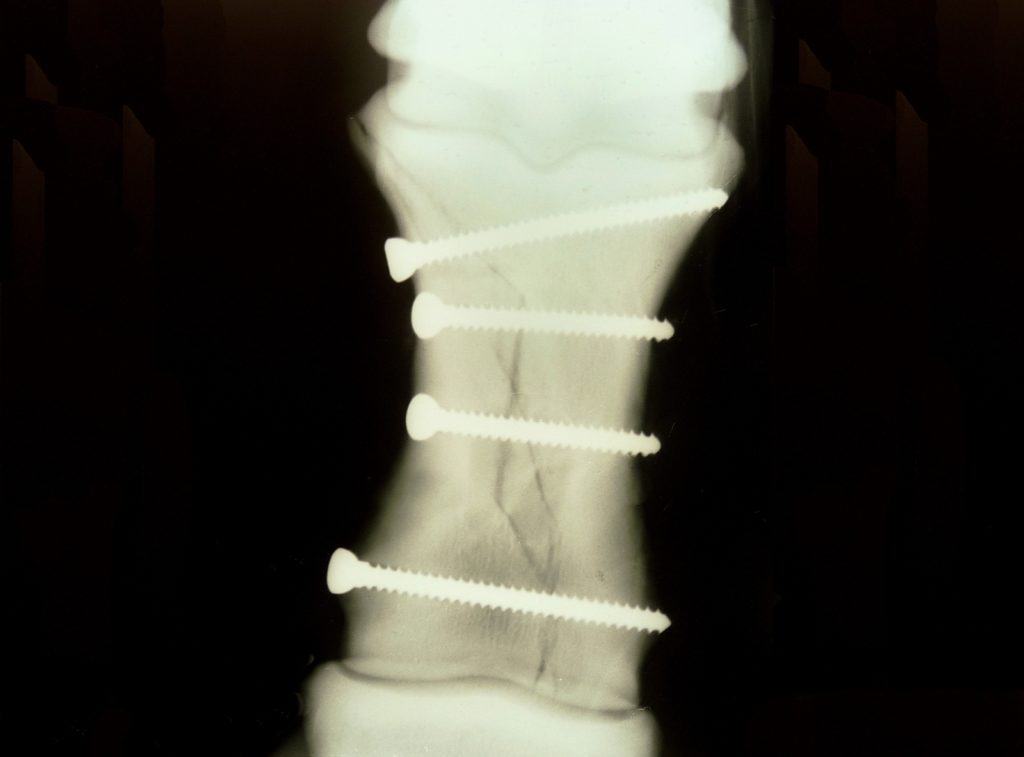
Technological advances and improved surgical procedures mean horses have a better chance of surviving a fracture.

What’s new in feeding today’s superstar racehorses and champions of the future? In a sense, nothing and everything.

Horses not accepted at the first FEI inspection may not compete in national classes at the same event for 48 hours.

Researchers determined that both veterinarians and owners need more equine nutrition education.