Suspensory Injury’s Effect on Future Racing Performance
How does a suspensory injury impact a racehorse’s performance? It depends on the severity of the injury.

How does a suspensory injury impact a racehorse’s performance? It depends on the severity of the injury.

Researchers found that NSAID administration reduced immune response in previously exposed and naive horses.
The 17.3-hand former mount of U.S. equestrian Karen O’Conner was euthanized earlier this week. He was 30.

Industry stakeholders met Jan. 30 for an update on adoption of uniform medication and drug testing rules.

Learn about St Nicholas Abbey’s battle with a fracture that was ultimately ended by a severe bout of colic.
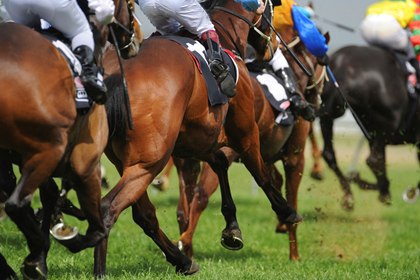
One of the most common sites of catastrophic injuries in Thoroughbred racehorses is the fetlock.

With a little bit more consideration for both horse and rider winter riding can be an enjoyable experience.
The 17-year-old Selle Francais mare broke a bone in her front right leg in a pasture accident on Jan. 26.
Some attendees suggested questionable studies might be the basis for some medication policies.
The 12-year-old Westphalian gelding was euthanized Jan. 18 in Florida following two colic surgeries.
Lecture topics will include exercise intolerance, wound care, hoof care, ophthalmology, and more.
McKeever’s research focuses on performance-enhancing practices on the equine athlete’s physiologic responses.
On Jan. 30, two speakers will discuss inflammatory airway disease.

The two-day workshop brings together a cross-section of the breeding, racing, and veterinary communities.
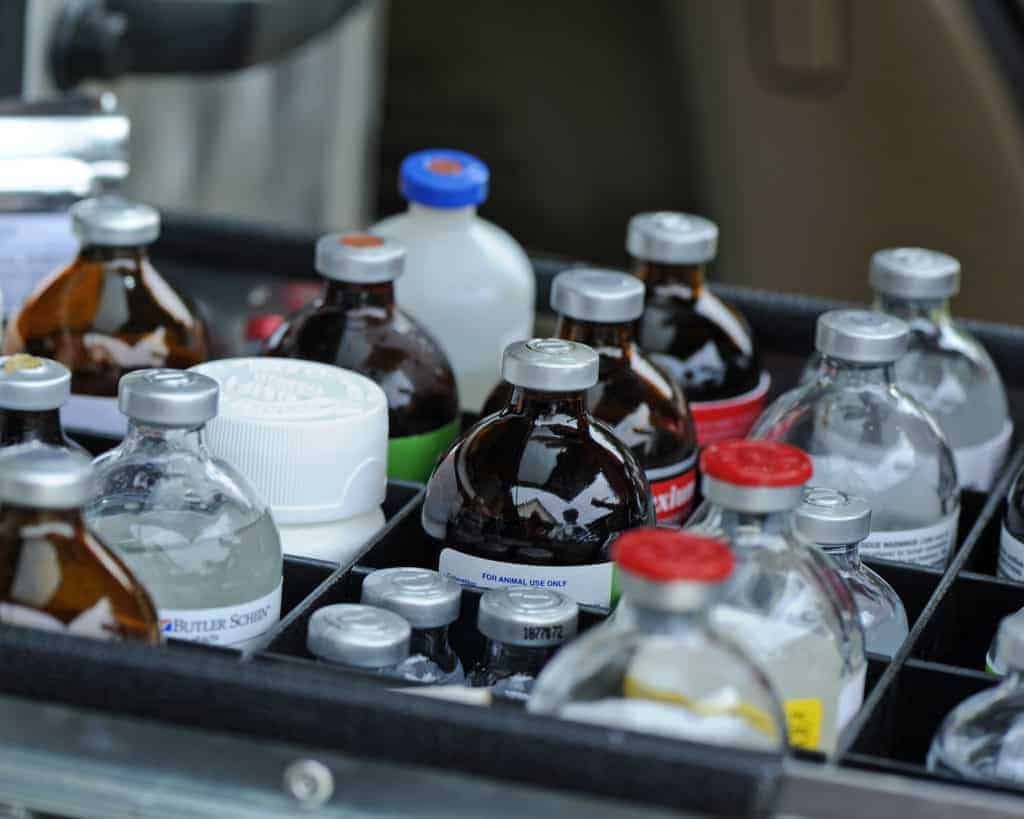
Officials will soon consider a penalty system for drug violations that dovetails with uniform model rules.
Officials heard the pros and cons of having different medication rules for Thoroughbreds and Standardbreds.