2005 Breeders’ Cup Sprint Winner Silver Train Dies
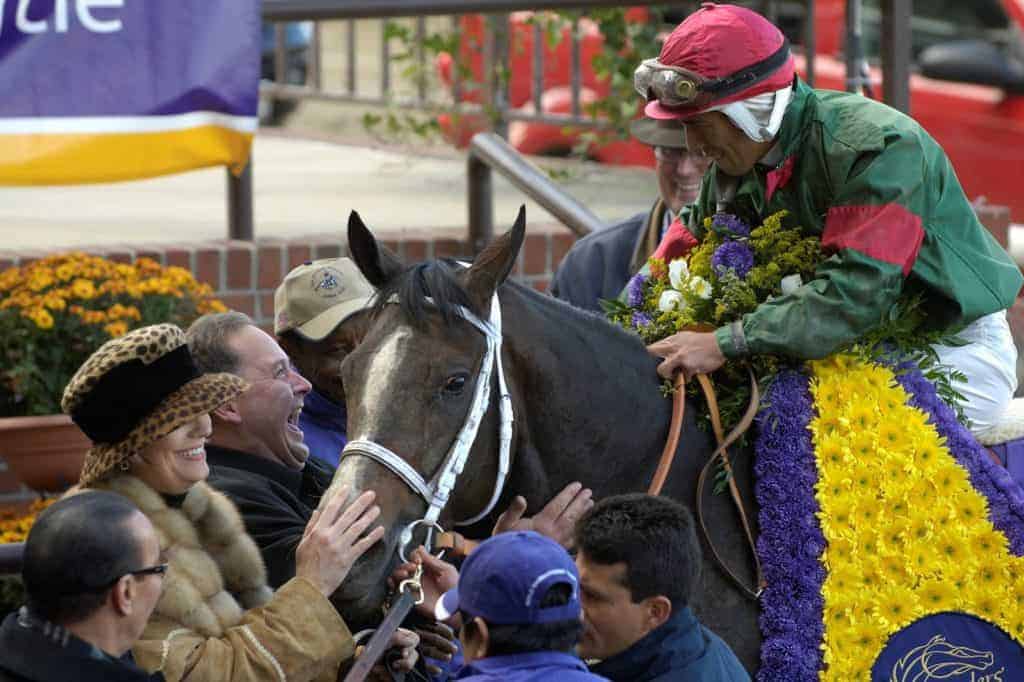
Silver Train died from a colic attack Dec. 29 while shuttling to the United States from Brazil.

Silver Train died from a colic attack Dec. 29 while shuttling to the United States from Brazil.
TCA supports Thoroughbred retirement, rescue, research, and helps the people who work with ex-racehorses.
The jockey colony has donated almost $6,000 to the Thoroughbred Retirement Foundation (TRF) in 2013.
The vets sought a delay in the start of a plan to license veterinarians treating racehorses in training.

Attendees discussed “dummy” foals, gastric acid suppressant use, and resuscitating foals, among other topics.

One veterinarian reviews what EIPH does to the horse and how veterinarians currently treat it.

The 7-year-old son of Birdstone developed colic Dec. 22 and efforts to save him were unsuccessful.
The 5-year-old winner of the Breeders’ Cup Classic will receive the 2013 Secretariat Vox Populi Award.
Steroid scandals prompted the British Horseracing Authority to amend its medication control policy.

Anytime a horse is consuming unusual material, a thorough review of the diet is a good idea.
The booklet lists 24 therapeutic medications with their withdrawal times and threshold levels.

Study shows horses who previously had not raced on furosemide fared well in Breeders’ Cup juvenile races.
The USEA will make a $1.00 dollar per starter assessment to fund research that benefits sport horses.
Furosemide-free juveniles at the Breeders’ Cup had fewer, less severe instances of EIPH than other juveniles.
Are joint injections meant to be used to prevent lameness, or as a therapeutic remedy for an existing problem?

The KHRC approved changes to its withdrawal time guidelines for all racing breeds.